
All Videos

Person with glasses in front of a bookshelf and drawers.

Plastics in Our Food

The 21st century has brought more and more evidence that chemical contaminants, such as PFAS and BPA, from plastics contaminates our food…and the whole global environment. Such chemicals may cause cancer, mimic hormones, and have other health effects. This brief overview may motivate you to take steps to reduce the amounts of those contaminants in your food and body. (Gulf Coast News, NBC-TV; 2024; 2’06”)

Plastics in Our Food Read More »
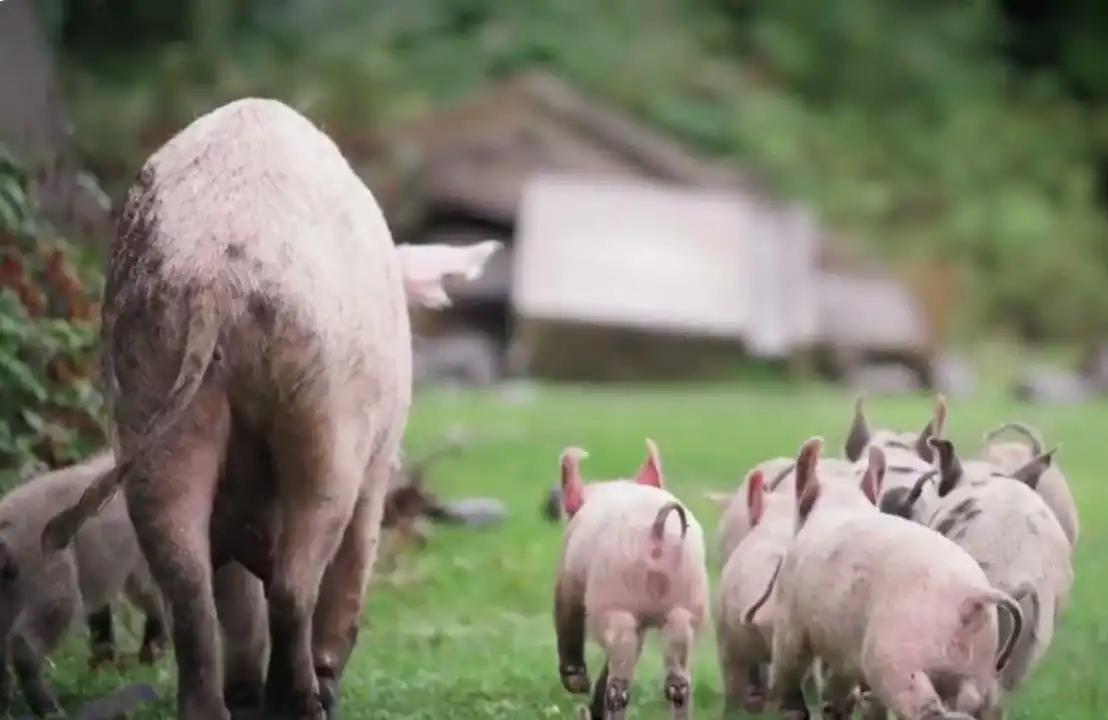
Pig and piglets on a farm. Antibiotic resistance may start here.

Antibiotic Resistance May Start on the Farm

Three-fourths of all antibiotics are used to treat and prevent infections in animals raised in dirty, crowded conditions (and that means almost all chickens, pigs, and cattle). The goal may be worthy, but overuse of antibiotics promotes the proliferation of E. coli, Salmonella, and other bacteria resistant to certain antibiotics. If those “superbugs” contaminate our food, consumers may develop diseases that are much harder to treat and might even cause deaths. (Farm Animal Concerns Trust; 2025; 2’58”)

Antibiotic Resistance May Start on the Farm Read More »

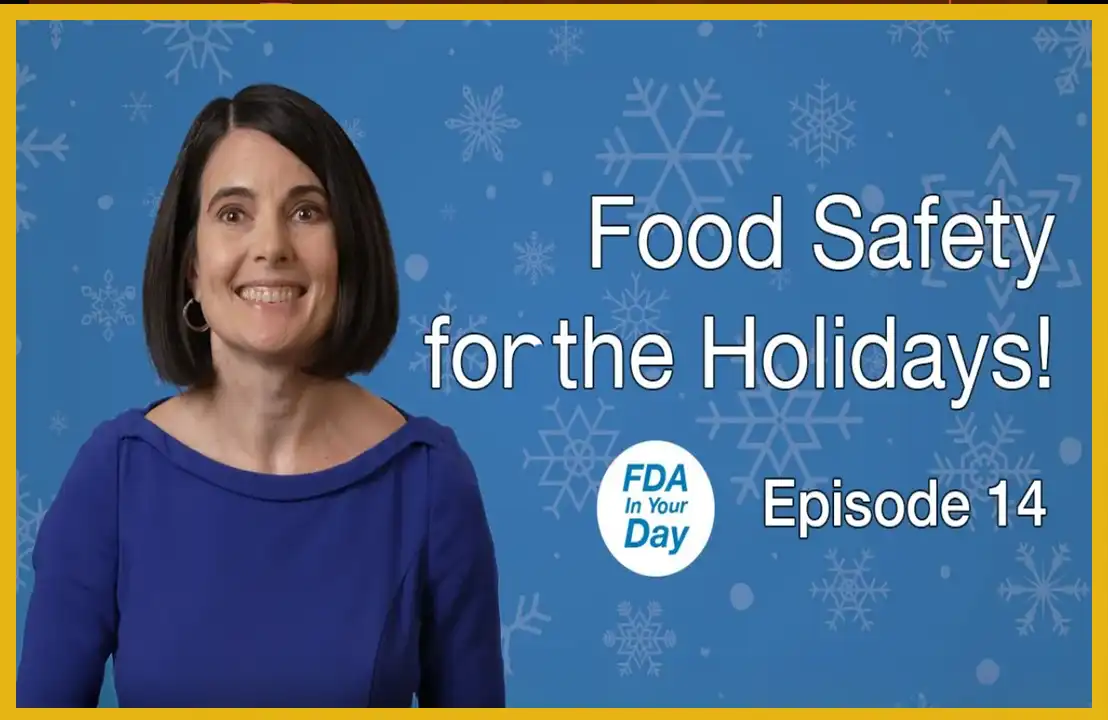
FDA video on food safety for the holidays, episode 14.

Food Safety – The Basic Four

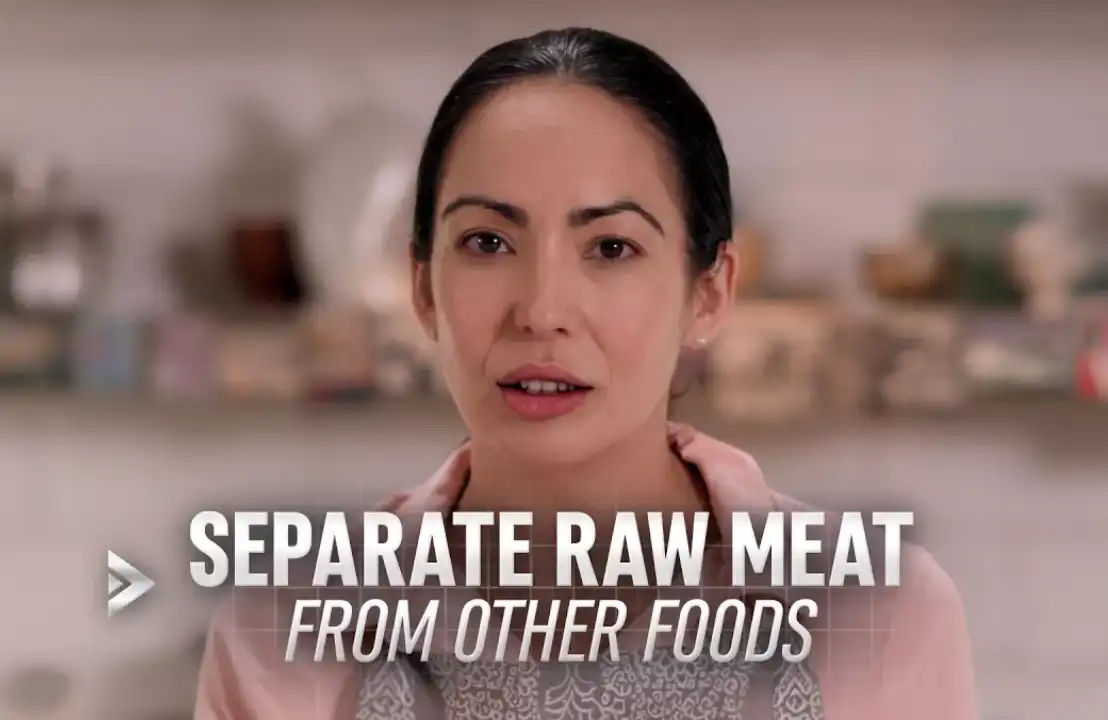
This brief video emphasizes four basic ways to protect against foodborne illnesses: Keep everything clean. Keep animal products separate from other ingredients to prevent cross-contamination. Cook well enough to kill disease-causing bacteria. Chill leftovers quickly after cooking and eating. (U.S. Food and Drug Administration; 2024; 1’10”)

Food Safety – The Basic Four Read More »

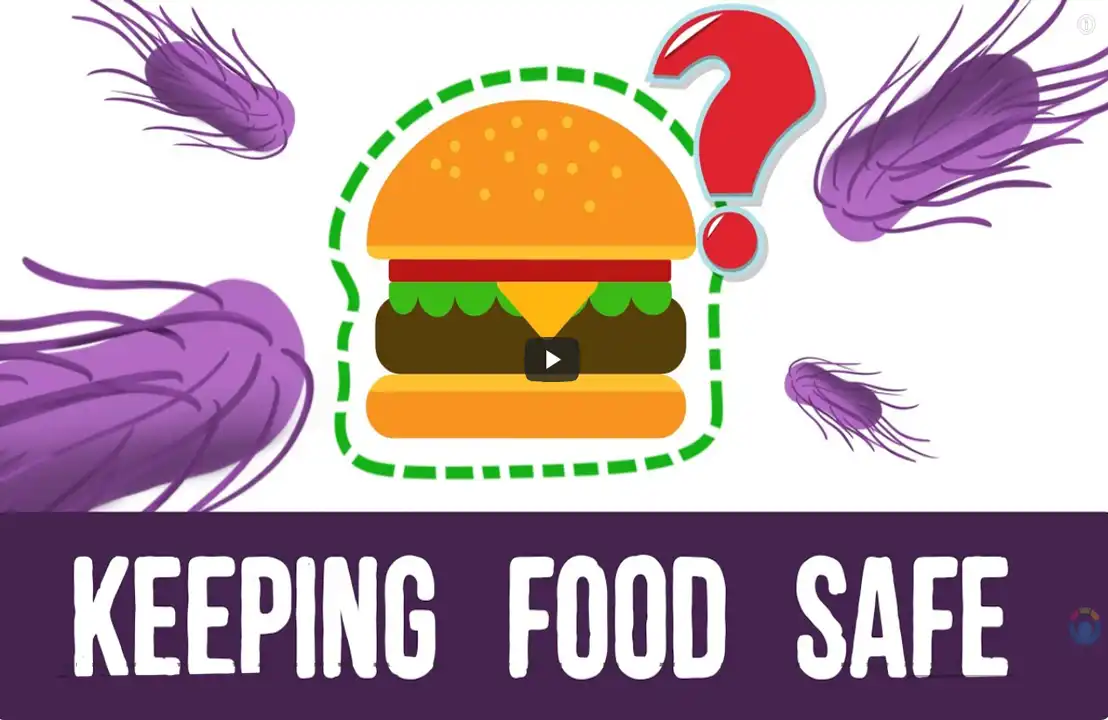
Cartoon burger with a question mark and bacteria around it, text: "Keeping Food Safe.

Food Safety from Farm to Table

“Food Safety 101 – The Journey of food safety from farm to table” is a nice overview of food safety, suitable for people 10 to 100. It covers the bases regarding the different types of risk (bacterial, chemical, physical, adulteration), the health problems that might result, and strategies for keeping those risks out of the food supply. (Public Health Academy; 2022; 7’51”)

Food Safety from Farm to Table Read More »

Two burlap scarecrows with straw hats, one with a twig in its mouth, in an animated scene.

Scarecrow

This beautifully produced 2013 animation highlights the inhumanity of factory farming and sterility of manufactured foods. The film features Fiona Apple’s cover of “Pure Imagination.” The film resonates with current criticisms of ultra-processed foods, but was actually an advertisement, disclosed in the final seconds, for Chipotle restaurants and it tied in to a game sponsored by that company. It is worth noting that Chipotle’s signature offerings, though made without questionable additives, may be sky-high in calories and sodium. (Chipotle ad; 2013; 3’22”)

Scarecrow Read More »

TED Talk speaker discusses the Ghazipur landfill in Delhi, India, highlighting methane emissions.

Methane: Food’s Climate Villain

Methane is a potent greenhouse gas, but it is also short-lived. In this TED Talk, Marcelo Mena, a professor and former environmental minister in Chile, explains why methane is such a villain and what we need to do to reduce emissions. Currently the CEO of the Global Methane Hub, Mena argues that one of the solutions to the methane problem is in our food system. We need to cut back on beef, reduce food waste—from farm to our dinner tables—and conduct more research to find more effective and permanent solutions. (Ted talk, 2023; 9’20”)
Methane is a major contributor to global warming, but by eating less meat and reducing food waste, methane emissions could be greatly reduced.

Methane: Food’s Climate Villain Read More »

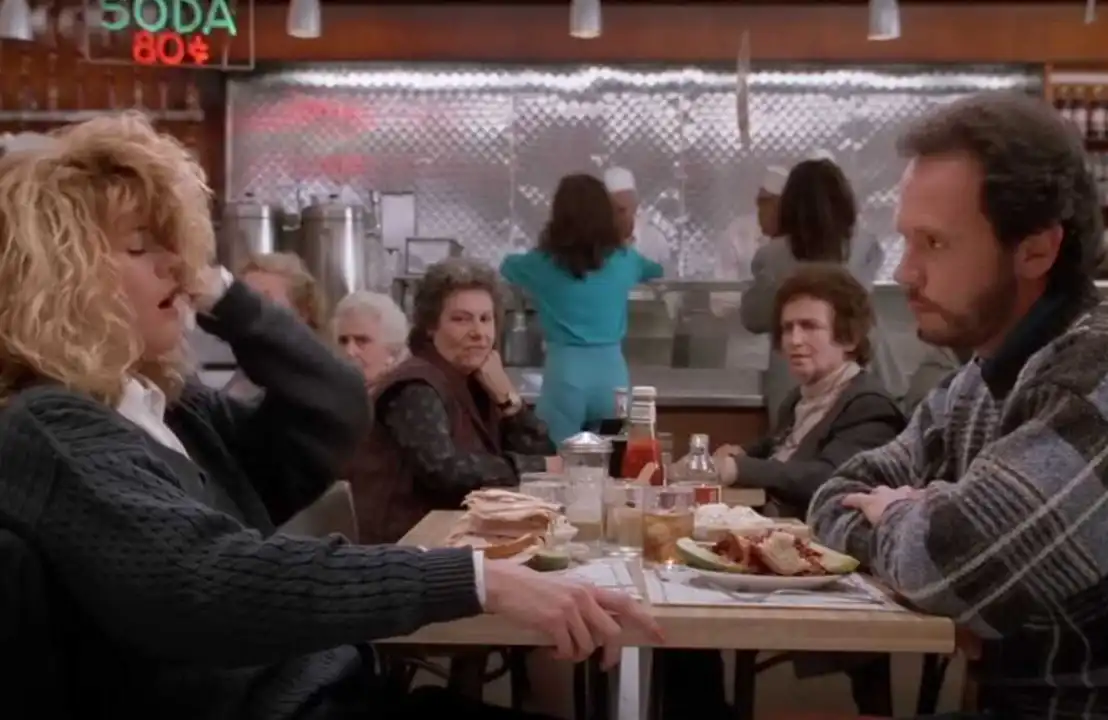
Meg Ryan and Billy Crystal in the iconic "I'll Have What She's Having" scene from When Harry Met Sally.

“I’ll Have What She’s Having” from When Harry Met Sally.

Jewish delis were once located primarily in Jewish neighborhoods and served primarily Jews. Though they have largely disappeared from the urban scene, the warmth and hospitality they represented made their way into the broader American experience. This is the iconic scene (about faked orgasm) in an iconic delicatessen (hence it was featured in the I’ll Have What She’s Having: The Jewish Deli” museum exhibit, listed elsewhere) in the classic movie (When Harry Met Sally).

“I’ll Have What She’s Having” from When Harry Met Sally. Read More »

Microplastics

Plastics are used in every corner of society, from food containers to toys, plastic wrap to automobile parts, and thousands of other products. Plastics come in countless forms and offer huge conveniences, safety, and durability, depending on their use. However, plastics dumped into the ocean or landfills inevitably degrade into minute particles that work their way up the food chain and enter our bodies. There, microplastics may be disrupting hormonal systems, causing cancer, or other health problems. The question is whether individuals and manufacturers can reduce their use of plastic, and whether scientists and engineers can devise replacements that are multi-functional but degrade safely. Those, clearly, will be challenges for the rest of the 21st century. (UN Environment Programme; 2019; 1’56”)

Microplastics Read More »

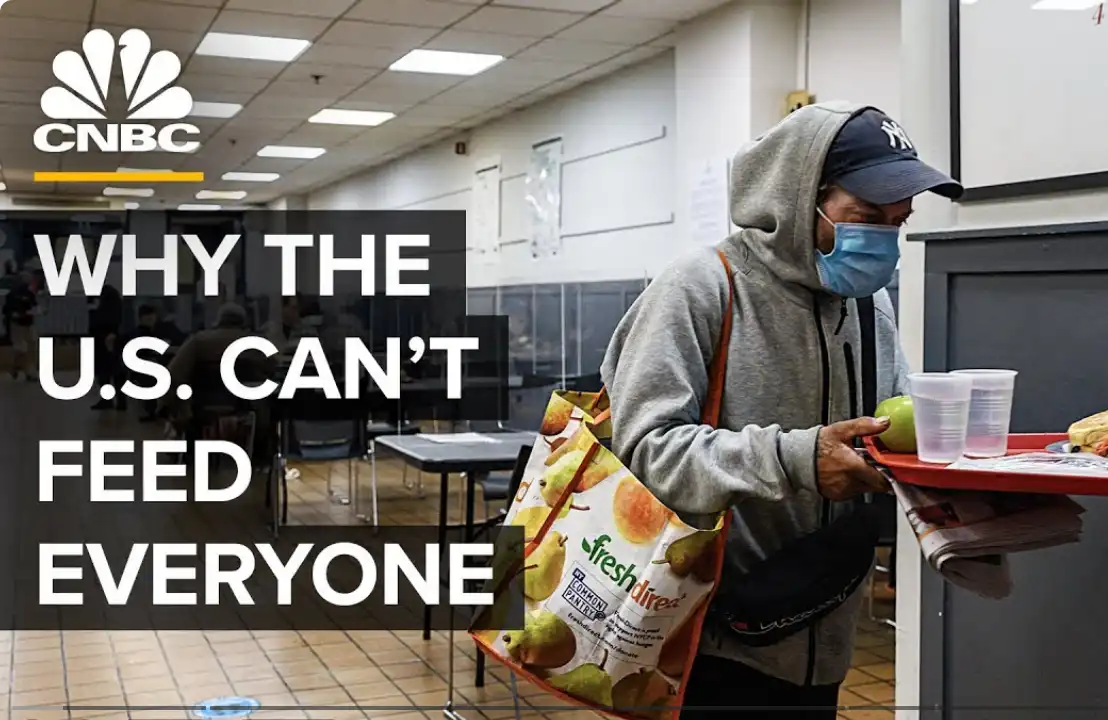
Man with tray at food bank, CNBC logo. Text: "Why the U.S. Can't Feed Everyone.

Eradicating Hunger in America

Hunger may be more common in many African countries, but hunger still stalks far too many Americans. This video, aired as the covid epidemic was fading away, says that in 2021 10 percent of American households lacked adequate access to food, and that food insecurity levied high costs on the country. Hunger has been a concern of policy makers since at least the late 1960s, and the federal government invests well over $100 billion annually on programs such as school meals, WIC, and SNAP. What could be done to provide adequate incomes to prevent hunger in the first place? What would doing so cost? Why has one of the wealthiest countries in the world not made the eradication of food insecurity (and poverty and homelessness) a top priority? (CNBC; 2023; 12’37”)

Eradicating Hunger in America Read More »

Feed Your Curiosity About Food!

Please join our email list to occasionally hear our views on timely issues and learn about The National Food Museum’s progress. We promise we won’t clutter your inbox!