All Media

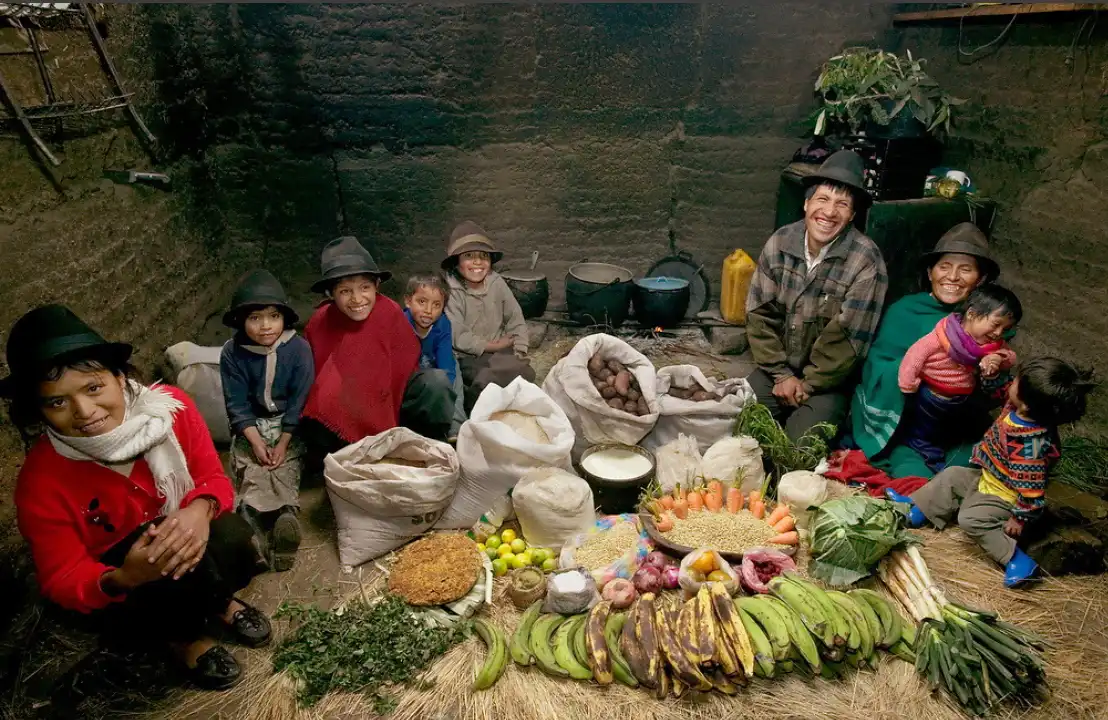
Ecuadorian family with food staples, including potatoes, bananas, and grains.

Hungry Planet

Hungry Planet: Yes, Peter Menzel’s book, Hungry Planet, has beautiful photos, but his unique set of photos is really provocative. Menzel traveled around the globe and asked average families to display all the foods they had consumed in a week. Interestingly, but perhaps not so surprisingly, the poorer the country, the fewer processed foods they consumed. The American families’ displays are mostly soda pop, chips, pizza, and other processed foods, with a smattering of fruits and vegetables.

Hungry Planet Read More »

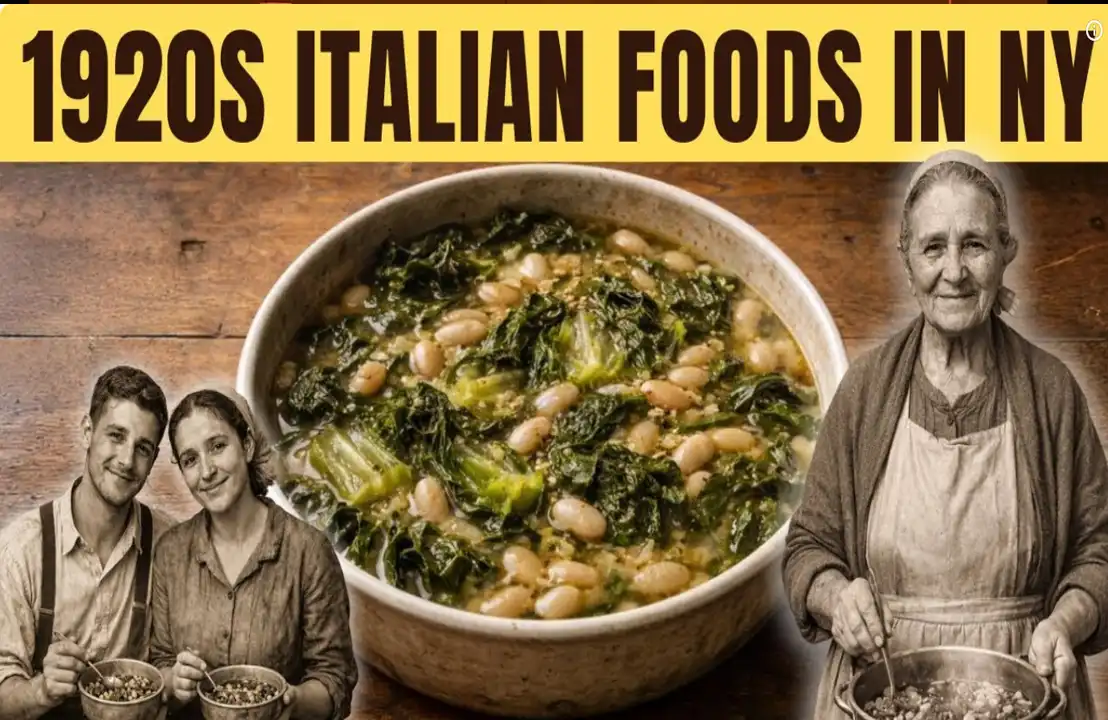
1920s Italian food: Bean and greens soup, with historical photos of people cooking and eating.

30 Foods Italian Immigrants Actually Ate in 1920s Little Italy, NY

We are all aware of family traditions, but we rarely know what our ancestors ate a hundred or more years ago. This film, enriched with still photographs of the 1920s, shows what poor Italians ate in New York City. Spoiler alert: you won’t see pizzas, cannolis, or Braised Beef Short Rib Agnolotti. But you will see a lot of spaghetti, beans, greens, and soup made from bone water. (The America We Remember; 2026; 63’)

30 Foods Italian Immigrants Actually Ate in 1920s Little Italy, NY Read More »

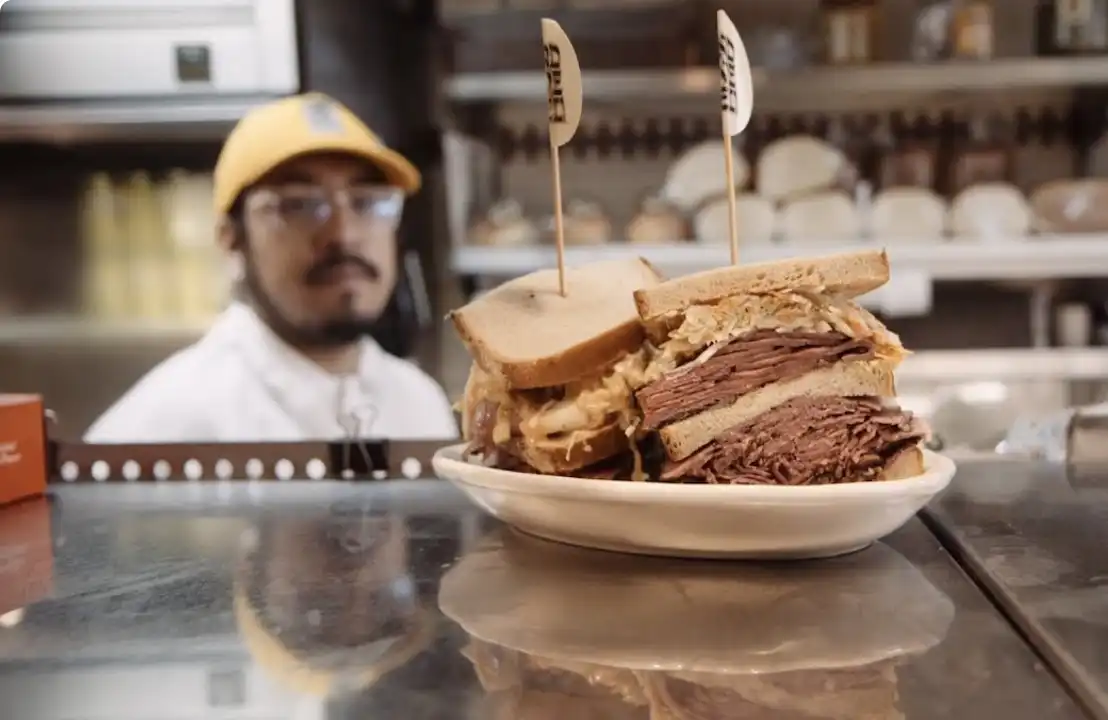
Huge Jewish deli sandwich with pastrami and sauerkraut

“I’ll Have What She’s Having”: The Jewish Deli 

Created by the Skirball Museum in Los Angeles and shown in many cities, this exhibit examines how Jewish immigrants, mostly from Central and Eastern Europe, imported and adapted traditions to create a uniquely American restaurant and reveals how Jewish delicatessens became a cornerstone of American food culture. (New York Historical, 2022, 5’13”)

“I’ll Have What She’s Having”: The Jewish Deli  Read More »

Man with two children, possibly discussing Black hunger in America with another man.

Black Hunger in America

This chilling 1968 CBS-TV documentary shows the shocking depth of poverty and hunger among Black Americans. One of the underlying causes of that hunger is the unemployment resulting from the mechanization of cotton harvesting, which increased from two percent to eighty percent in recent years (coupled, of course, with racism). Along with distressing interviews with utterly impoverished (and hungry) people, especially in Alabama, narrator Charles Kuralt decries the fact that U.S. Department of Agriculture failed to expend hundreds of millions of dollars that were earmarked for relieving hunger. And it emphasizes that in 1968 people with little money had to pay for food stamps (now called SNAP, Supplemental Nutrition Assistance Program). (CBS-TV; 1968; 14’1”)

Black Hunger in America Read More »

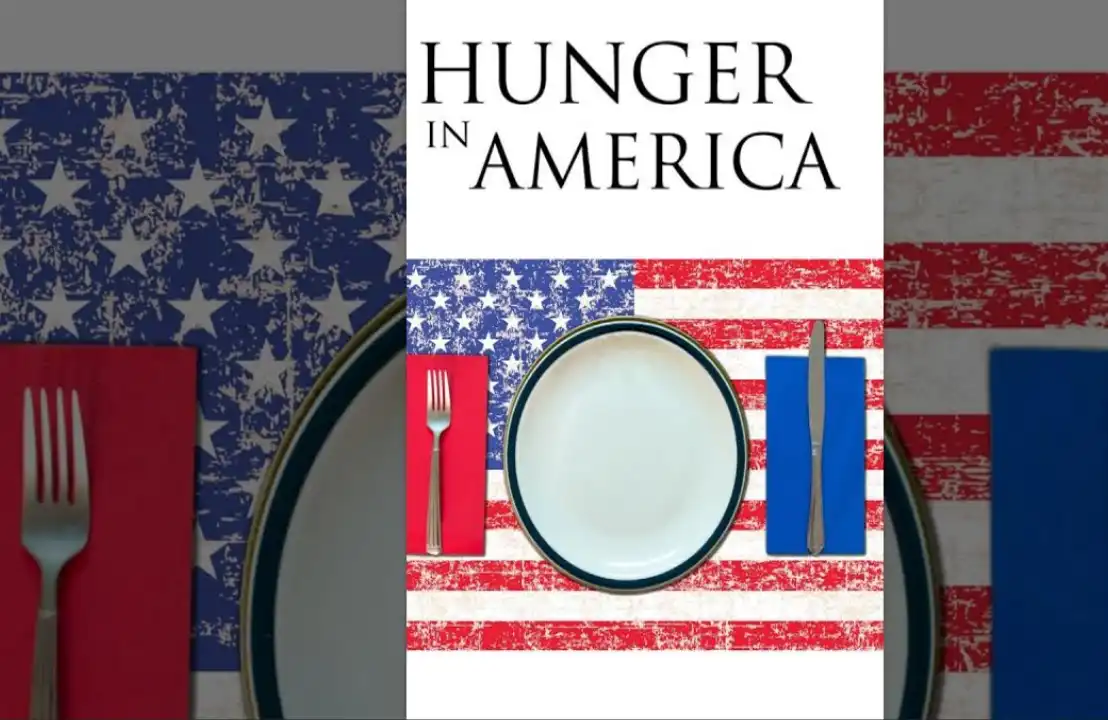
Hunger in America: Empty plate on a distressed American flag tablecloth.

Hunger in America

This documentary demonstrates effectively that all too many Americans go to bed hungry, and it highlights the efforts of heroic people who are trying to alleviate hunger at the local level. Volunteerism helps fill food pantries, fund food banks, and provides free hot meals to the needy. All those approaches help, but the film does not suggest the more important policy approaches to ending hunger, including strengthening such federal programs as SNAP, WIC, and school meals. (Skydive Films; 2014; 51’51”)

Hunger in America Read More »

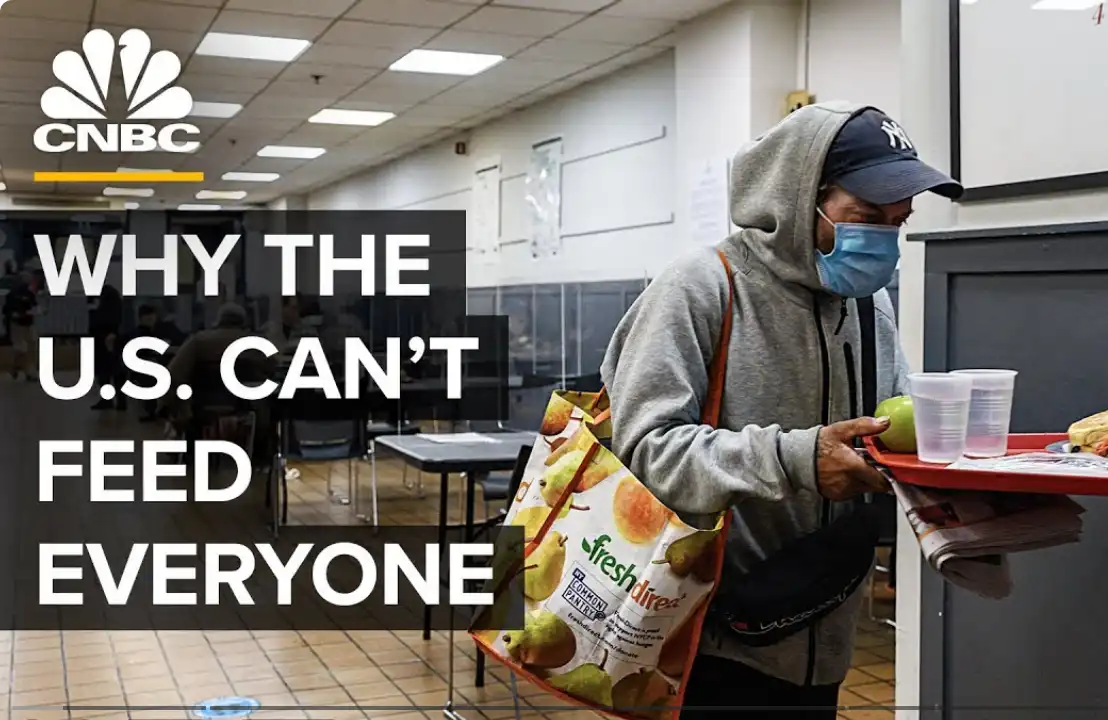
Man with tray at food bank, CNBC logo. Text: "Why the U.S. Can't Feed Everyone.

Eradicating Hunger in America

Hunger may be more common in many African countries, but hunger still stalks far too many Americans. This video, aired as the covid epidemic was fading away, says that in 2021 10 percent of American households lacked adequate access to food, and that food insecurity levied high costs on the country. Hunger has been a concern of policy makers since at least the late 1960s, and the federal government invests well over $100 billion annually on programs such as school meals, WIC, and SNAP. What could be done to provide adequate incomes to prevent hunger in the first place? What would doing so cost? Why has one of the wealthiest countries in the world not made the eradication of food insecurity (and poverty and homelessness) a top priority? (CNBC; 2023; 12’37”)

Eradicating Hunger in America Read More »

Bill Gates gesturing while speaking, discussing productivity and hunger solutions.

Bill Gates: Improve Productivity, Reduce Hunger

Improving agricultural productivity and reducing hunger in Africa, Bill Gates argues, will require a system-wide approach. Better seeds (from conventional breeding and genetic engineering), more fertilizer, reducing food waste, and other strategies should help many African nations. But will the global community and the nations themselves commit to implementing such an approach? Gates’ goal, says this 2015 video, is to abolish hunger by 2030, but that clearly is not going to happen. (The Verge; 2015; 2’50”)

Bill Gates: Improve Productivity, Reduce Hunger Read More »

Text on a textured background reads "PUT FOOD FIRST.

Put Food First

This hopeful video produced by the World Bank explains in broad outline the extent of hunger around the globe, the costs in terms of less productive workers and more sickness, and the solutions. Unfortunately, this film from 2011 has not aged well: hunger is still widely prevalent, both in impoverished African nations and even in the wealthiest countries including the United States. (World Bank; 2011; 2’49”)

Put Food First Read More »

World Bank representative speaking about the plan to end hunger.

World Bank: Plan to End Hunger

In this brief video, Jim Yong Kim, president of the World Bank Group, explains that even with 800 million people going to bed hungry, countries can end hunger by 2030. But they need to create systems that raise agricultural productivity in rural areas, improve nutritional outcomes, and invest in more climate-smart agriculture that can withstand a warmer planet. Unfortunately, the covid epidemic, the demise of USAID, and other factors ensure that hunger will not be ended by 2030. (World Bank Group, Future of Food; 2015; 1’22”)

World Bank: Plan to End Hunger Read More »

Do you have a favorite food memory?

We want to hear about it. Fill out the form below. We’ll share our favorites on upcoming social media.

Feed Your Curiosity About Food!

Please join our email list to occasionally hear our views on timely issues and learn about The National Food Museum’s progress. We promise we won’t clutter your inbox!