Author name: National Food Museum

Bolthouse Carrots – Eat ’Em Like Junk Food

Bolthouse, one of the two major carrot growers, advertised its baby carrots, a truly healthy food, like Frito-Lay might market its snack foods. How refreshing it was to see commercials that were funny and captivating. While the campaign did not last very long, it certainly got the attention of people in the nutrition and advertising worlds…and enhanced Bolthouse’s reputation.

Bolthouse Carrots – Eat ’Em Like Junk Food Read More »

Whole Food, Plant-based Diet

Dr. Michael Greger has converted his book How Not to Die into a movie. He recounts his own journey (and his grandmother’s) toward a career in medicine and a vegan diet. Greger concludes from his review of countless research reports that a healthy plant-based diet prevents and even reverses heart disease, hypertension, diabetes, and others. (Streaming on UnchainedTV; 2025; 77’)

Whole Food, Plant-based Diet Read More »

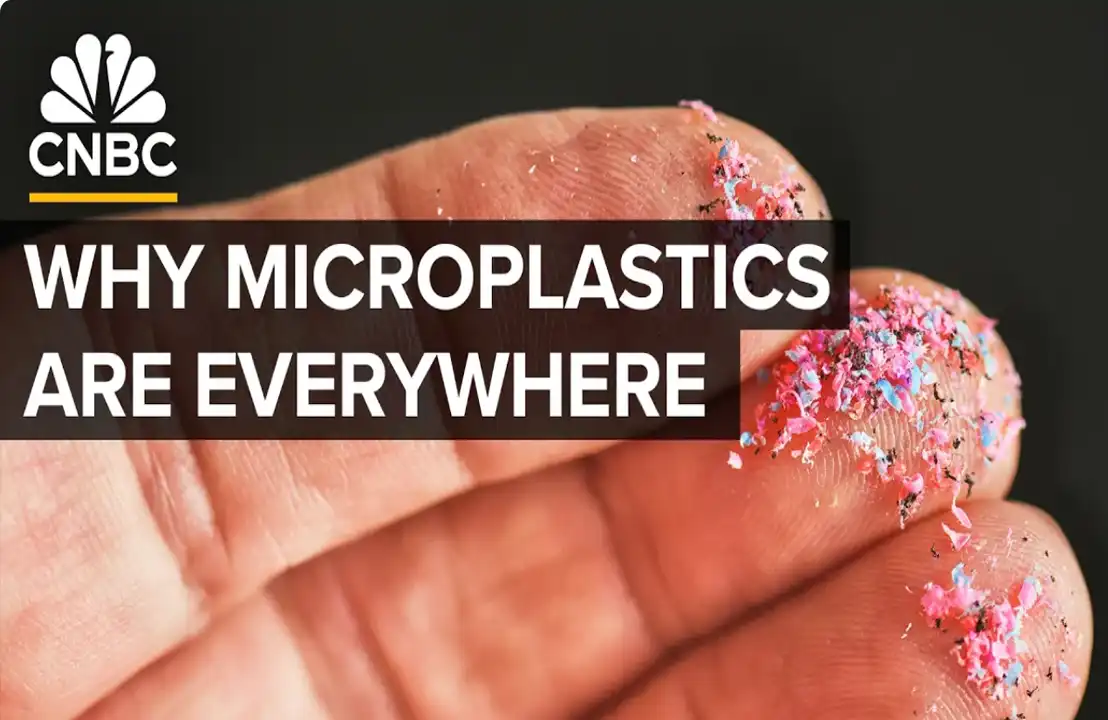
Microplastics on fingers, CNBC logo. Text: "Why Microplastics Are Everywhere

Microplastics—and the Myth of Recycling

Notwithstanding safety concerns about the production and degradation of plastic products, this CNBC news segment points out that plastic production has doubled over the past couple of decades. Political efforts to boost oil and gas production makes plastics all the cheaper to produce. Recycling sounds good, but only small amounts of plastic are actually recycled, and the technical challenges to recycle most plastics are daunting. Critics of microplastic pollution argue that the place to start is to cut the use of single-use plastics. (CNBC; 2025; 16’31”)

Microplastics—and the Myth of Recycling Read More »

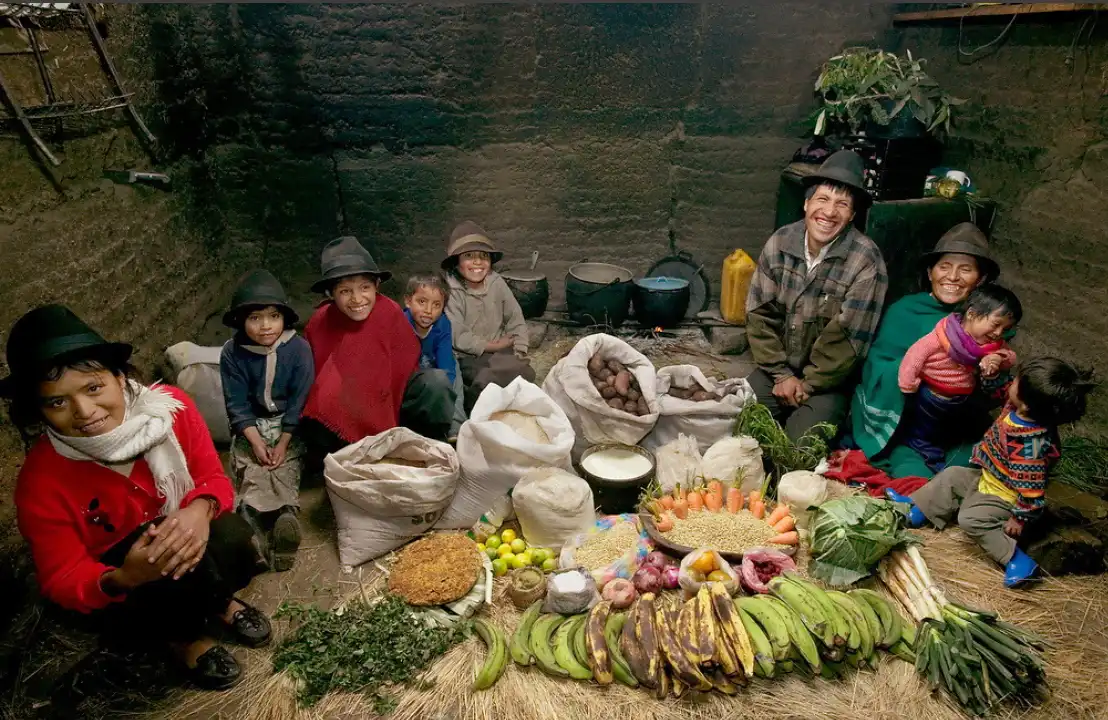
Ecuadorian family with food staples, including potatoes, bananas, and grains.

Hungry Planet

Hungry Planet: Yes, Peter Menzel’s book, Hungry Planet, has beautiful photos, but his unique set of photos is really provocative. Menzel traveled around the globe and asked average families to display all the foods they had consumed in a week. Interestingly, but perhaps not so surprisingly, the poorer the country, the fewer processed foods they consumed. The American families’ displays are mostly soda pop, chips, pizza, and other processed foods, with a smattering of fruits and vegetables.

Hungry Planet Read More »

Global Food and Nutrition Security Dashboard graphic with Earth and food illustrations.

Global Food and Nutrition Security Dashboard

This is your one-stop source for factual information about hunger in countries around the world, from Afghanistan to the United States. For instance, 31 percent of Afghans (compared to 1 percent of people in the USA) experience severe food insecurity, while the prevalence of adult overweight and obesity in the United States is 67.9%. (Global Alliance for Food Security)

Global Food and Nutrition Security Dashboard Read More »

Woman on a farm with a tractor, silo, and windmill. Saving Small Farms.

Saving Small Farms

Anna Lappé takes on agribusiness, arguing that small, sustainable farms are the way to go. Such farms typically use compost and animal manure instead of chemical fertilizer and rotate crops to build the soil, reduce irrigation, and reduce pest populations. This video also notes that eating a more plant-based diet makes much more efficient use of resources. But government subsidies overwhelmingly help large farms (and provide little or no benefit to fruit, vegetable, and nut farmers). One element missing from the film is any discussion of cost, and whether food grown on small farms that market foods regionally can compete with Big Ag. (Real Food Media Project; 2012; 6’29”)

Saving Small Farms Read More »

Vintage photo of a smiling woman tangled in plastic wrap, text: "Plastics, not so fantastic!

“Plastic was Fantastic”

Plastics are used in every corner of society, from food containers to toys, plastic wrap to automobile parts, and thousands of other products. Plastics come in countless forms and offer huge conveniences, safety, and durability, depending on their use. However, plastics dumped into the ocean or landfills inevitably degrade into minute particles that work their way up the food chain and enter our bodies. There, microplastics may be disrupting hormonal systems, causing cancer, or other health problems. The question is whether individuals and manufacturers can reduce their use of plastic, and whether scientists and engineers can devise replacements that are multi-functional but degrade safely. Those, clearly, will be challenges for the rest of the 21st century. (UN Environment Programme; 2024; 1’01”)

“Plastic was Fantastic” Read More »

Food additives effects on children: Obesity, hormone disruption, oxidative stress, immune suppression, behavioral deficits.

Food Additives: Holes in the FDA’s Safety Net

Thousands of chemicals end up in our food, either intentionally or unintentionally. The Food and Drug Administration is charged with keeping potentially dangerous substances out of our food. But this news account of a report by the American Academy of Pediatrics contends that the FDA simply has not done what parents and others expect it to do. Note, though, that despite concerns about rarely used additives like titanium dioxide and brominated vegetable oil, by far the most harmful chemicals added to packaged foods are salt and sugar. (CBS “This Morning”; 2018; 3’17”)

Food Additives: Holes in the FDA’s Safety Net Read More »

Do you have a favorite food memory?

We want to hear about it. Fill out the form below. We’ll share our favorites on upcoming social media.

Feed Your Curiosity About Food!

Please join our email list to occasionally hear our views on timely issues and learn about The National Food Museum’s progress. We promise we won’t clutter your inbox!