Author name: National Food Museum

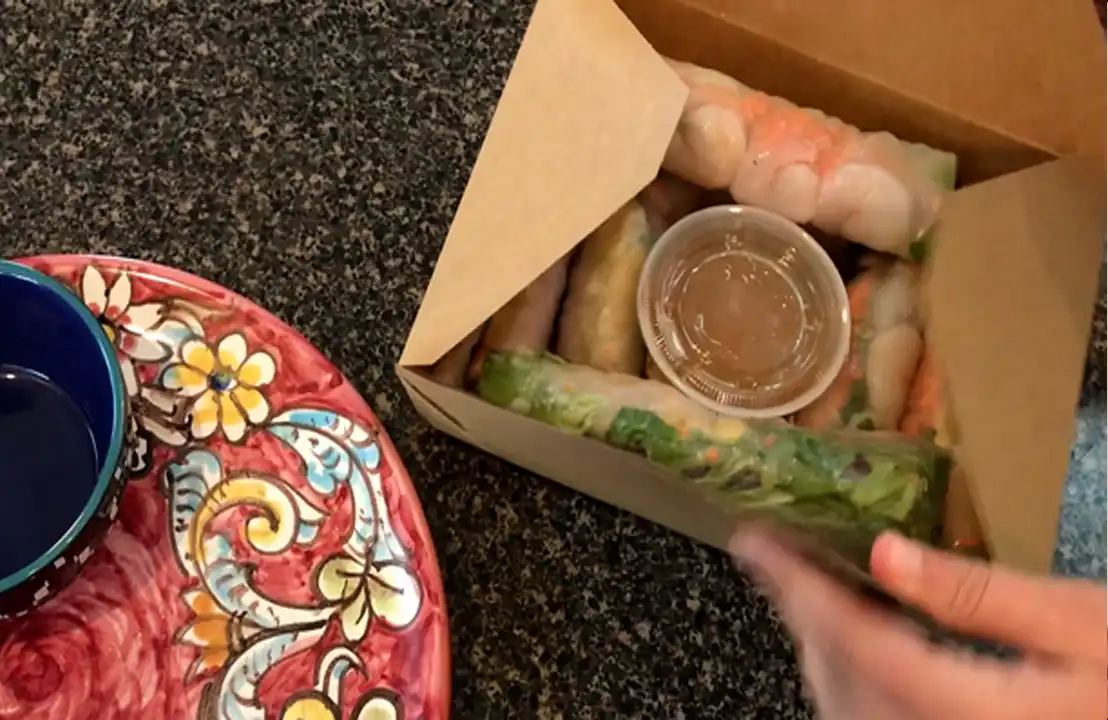
Spring rolls takeout with dipping sauce on countertop.

Reducing PFAS in Our Food

PFAS, the abbreviation for per- and polyfluoroalkyl substances, contaminate our food from some pizza boxes, plastic takeout packages, non-stick cookware, and other sources. As long as they are permitted in the food-supply chain, consumers should take measures to reduce their levels in our foods. That may include such measures as cooking with different frying pans and spatulas to removing takeout food from plastic containers promptly and not storing those foods in those containers, and eating fresh foods that never touched plastics. (Consumer Reports; 1’39”)

Reducing PFAS in Our Food Read More »

Person with glasses in front of a bookshelf and drawers.

Plastics in Our Food

The 21st century has brought more and more evidence that chemical contaminants, such as PFAS and BPA, from plastics contaminates our food…and the whole global environment. Such chemicals may cause cancer, mimic hormones, and have other health effects. This brief overview may motivate you to take steps to reduce the amounts of those contaminants in your food and body. (Gulf Coast News, NBC-TV; 2024; 2’06”)

Plastics in Our Food Read More »

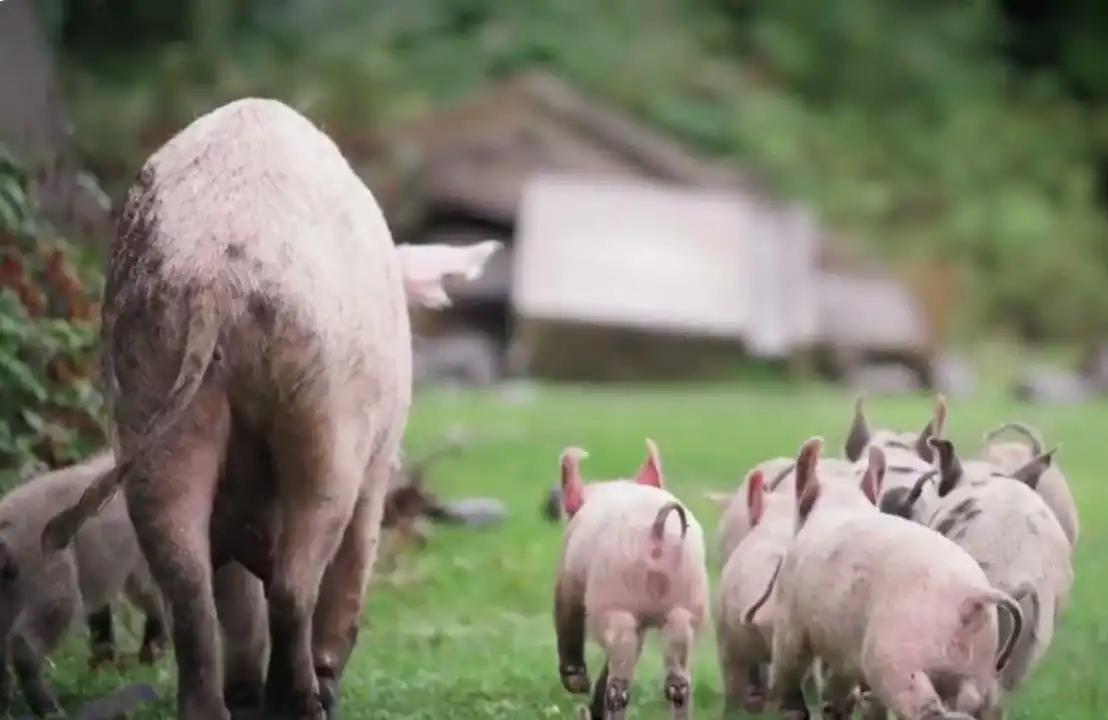
Pig and piglets on a farm. Antibiotic resistance may start here.

Antibiotic Resistance May Start on the Farm

Three-fourths of all antibiotics are used to treat and prevent infections in animals raised in dirty, crowded conditions (and that means almost all chickens, pigs, and cattle). The goal may be worthy, but overuse of antibiotics promotes the proliferation of E. coli, Salmonella, and other bacteria resistant to certain antibiotics. If those “superbugs” contaminate our food, consumers may develop diseases that are much harder to treat and might even cause deaths. (Farm Animal Concerns Trust; 2025; 2’58”)

Antibiotic Resistance May Start on the Farm Read More »

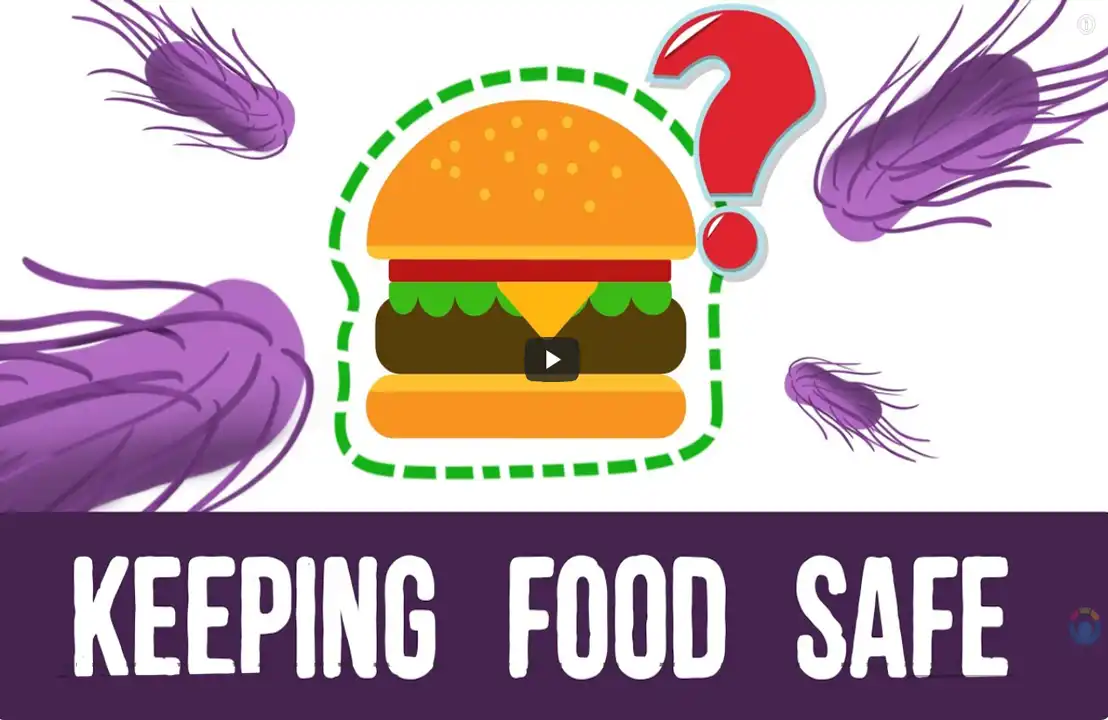
Cartoon burger with a question mark and bacteria around it, text: "Keeping Food Safe.

Food Safety from Farm to Table

“Food Safety 101 – The Journey of food safety from farm to table” is a nice overview of food safety, suitable for people 10 to 100. It covers the bases regarding the different types of risk (bacterial, chemical, physical, adulteration), the health problems that might result, and strategies for keeping those risks out of the food supply. (Public Health Academy; 2022; 7’51”)

Food Safety from Farm to Table Read More »

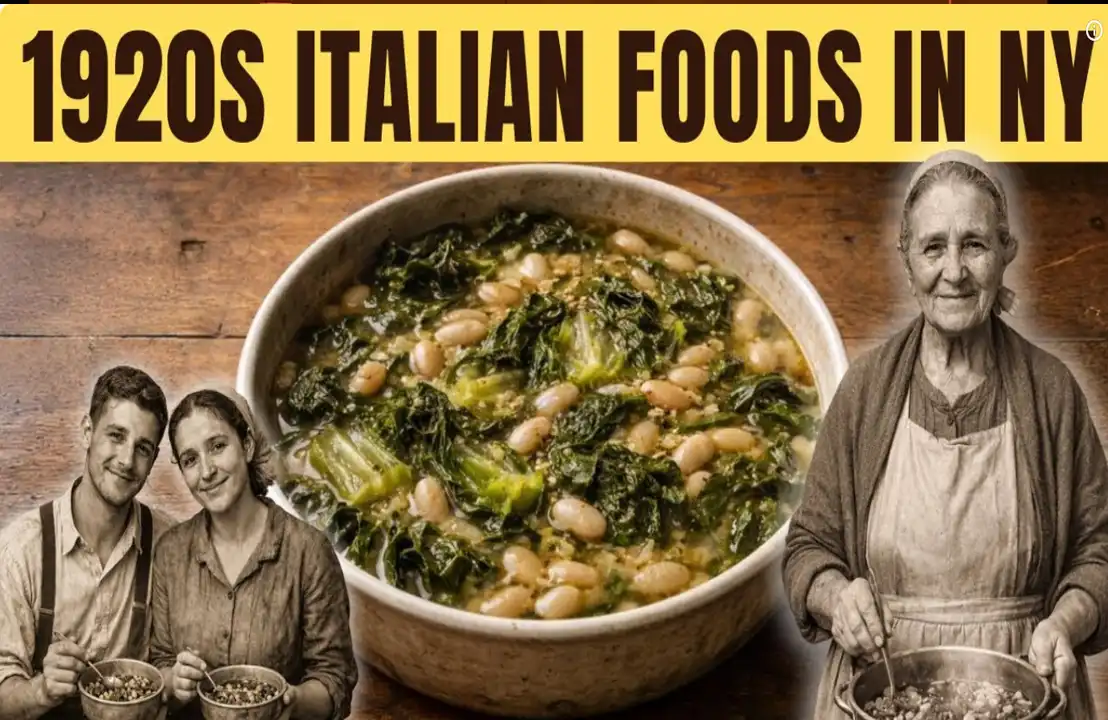
1920s Italian food: Bean and greens soup, with historical photos of people cooking and eating.

30 Foods Italian Immigrants Actually Ate in 1920s Little Italy, NY

We are all aware of family traditions, but we rarely know what our ancestors ate a hundred or more years ago. This film, enriched with still photographs of the 1920s, shows what poor Italians ate in New York City. Spoiler alert: you won’t see pizzas, cannolis, or Braised Beef Short Rib Agnolotti. But you will see a lot of spaghetti, beans, greens, and soup made from bone water. (The America We Remember; 2026; 63’)

30 Foods Italian Immigrants Actually Ate in 1920s Little Italy, NY Read More »

Two burlap scarecrows with straw hats, one with a twig in its mouth, in an animated scene.

Scarecrow

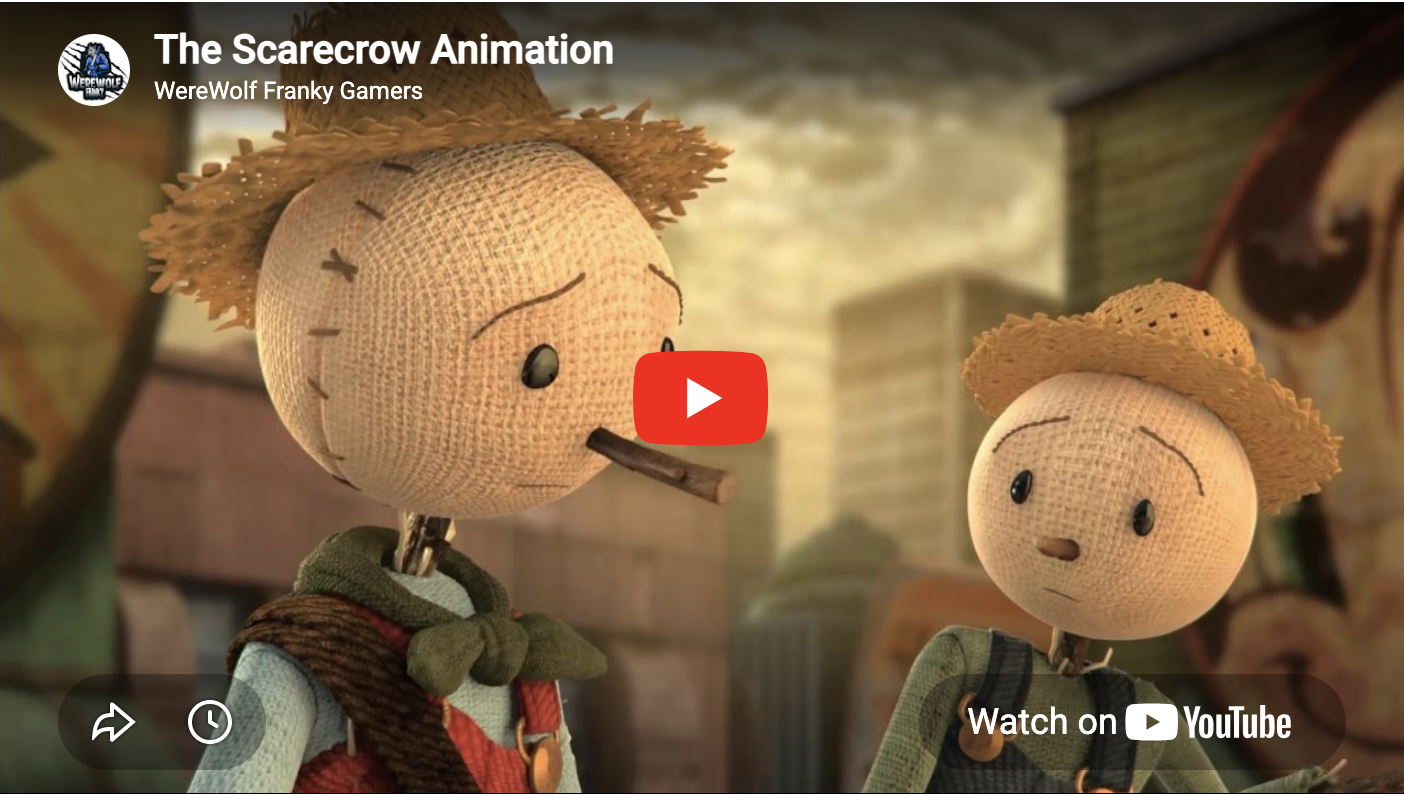
This beautifully produced 2013 animation highlights the inhumanity of factory farming and sterility of manufactured foods. The film features Fiona Apple’s cover of “Pure Imagination.” The film resonates with current criticisms of ultra-processed foods, but was actually an advertisement, disclosed in the final seconds, for Chipotle restaurants and it tied in to a game sponsored by that company. It is worth noting that Chipotle’s signature offerings, though made without questionable additives, may be sky-high in calories and sodium. (Chipotle ad; 2013; 3’22”)

Scarecrow Read More »

TED Talk speaker discusses the Ghazipur landfill in Delhi, India, highlighting methane emissions.

Methane: Food’s Climate Villain

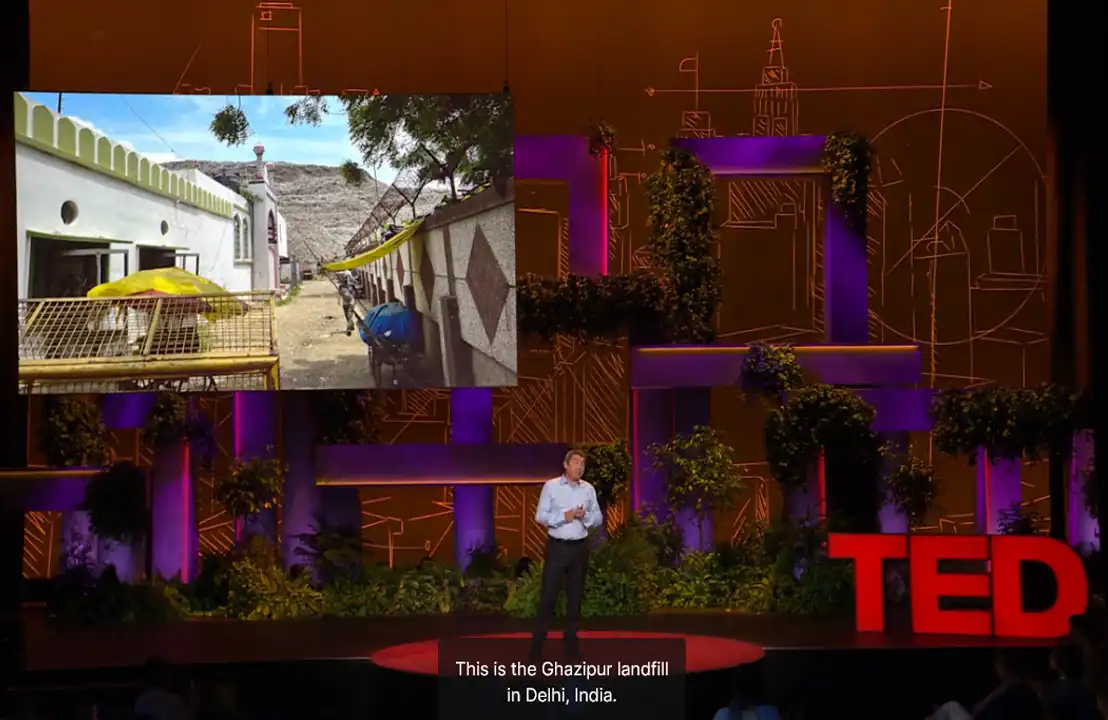
Methane is a potent greenhouse gas, but it is also short-lived. In this TED Talk, Marcelo Mena, a professor and former environmental minister in Chile, explains why methane is such a villain and what we need to do to reduce emissions. Currently the CEO of the Global Methane Hub, Mena argues that one of the solutions to the methane problem is in our food system. We need to cut back on beef, reduce food waste—from farm to our dinner tables—and conduct more research to find more effective and permanent solutions. (Ted talk, 2023; 9’20”)
Methane is a major contributor to global warming, but by eating less meat and reducing food waste, methane emissions could be greatly reduced.

Methane: Food’s Climate Villain Read More »

Huge Jewish deli sandwich with pastrami and sauerkraut

“I’ll Have What She’s Having”: The Jewish Deli 

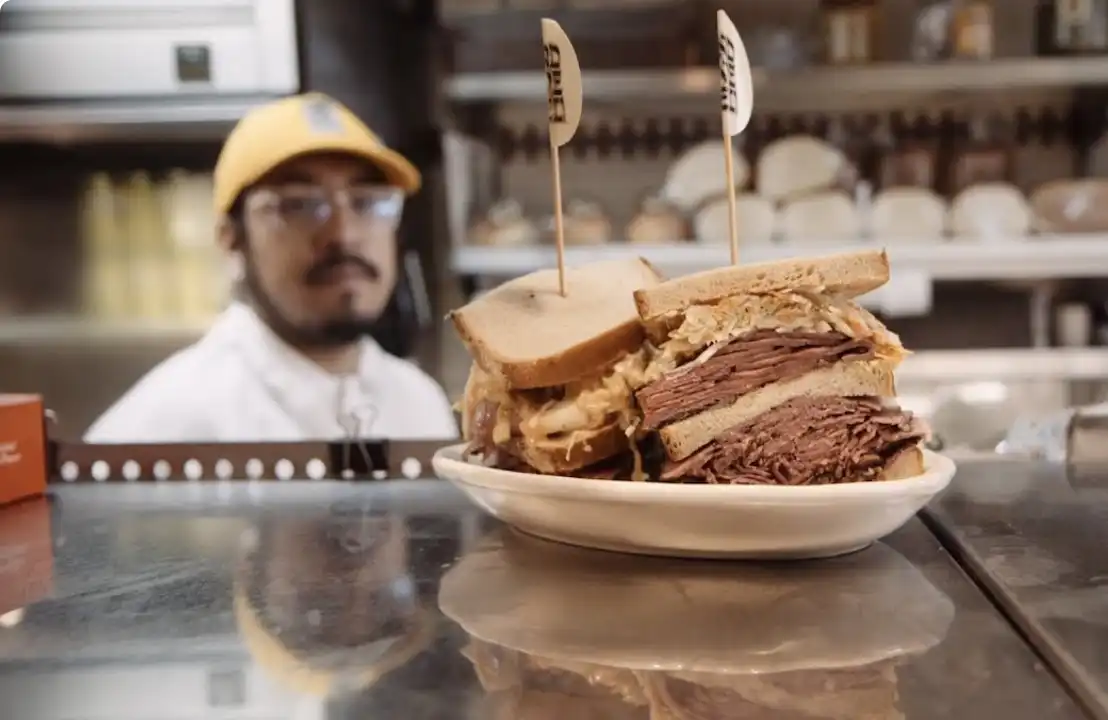
Created by the Skirball Museum in Los Angeles and shown in many cities, this exhibit examines how Jewish immigrants, mostly from Central and Eastern Europe, imported and adapted traditions to create a uniquely American restaurant and reveals how Jewish delicatessens became a cornerstone of American food culture. (New York Historical, 2022, 5’13”)

“I’ll Have What She’s Having”: The Jewish Deli  Read More »

Meg Ryan and Billy Crystal in the iconic "I'll Have What She's Having" scene from When Harry Met Sally.

“I’ll Have What She’s Having” from When Harry Met Sally.

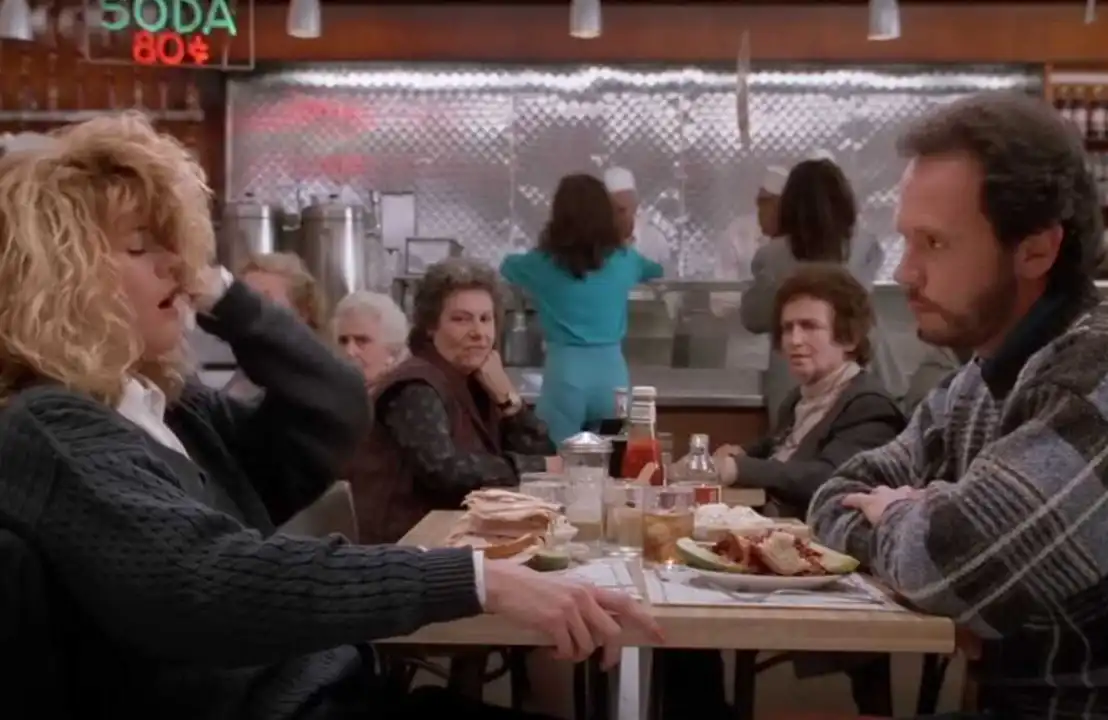
Jewish delis were once located primarily in Jewish neighborhoods and served primarily Jews. Though they have largely disappeared from the urban scene, the warmth and hospitality they represented made their way into the broader American experience. This is the iconic scene (about faked orgasm) in an iconic delicatessen (hence it was featured in the I’ll Have What She’s Having: The Jewish Deli” museum exhibit, listed elsewhere) in the classic movie (When Harry Met Sally).

“I’ll Have What She’s Having” from When Harry Met Sally. Read More »

Do you have a favorite food memory?

We want to hear about it. Fill out the form below. We’ll share our favorites on upcoming social media.

Feed Your Curiosity About Food!

Please join our email list to occasionally hear our views on timely issues and learn about The National Food Museum’s progress. We promise we won’t clutter your inbox!