Undermining Children’s Health

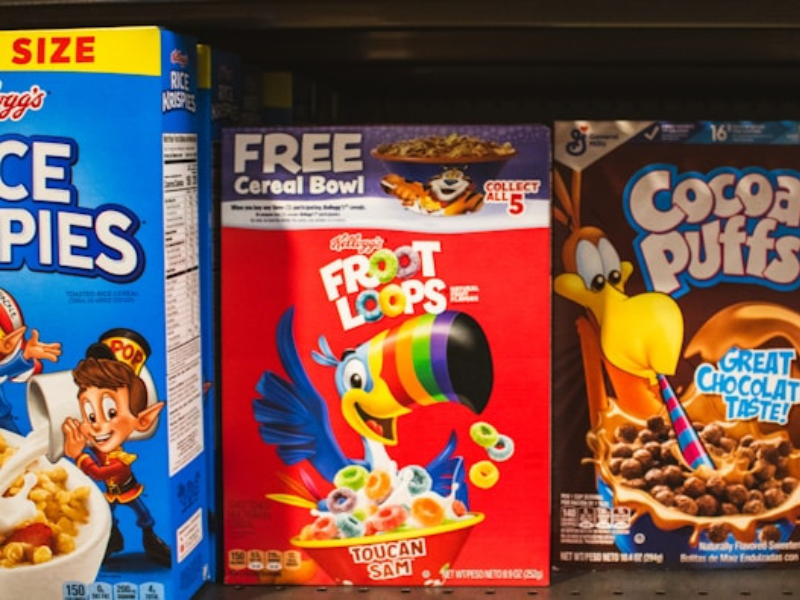
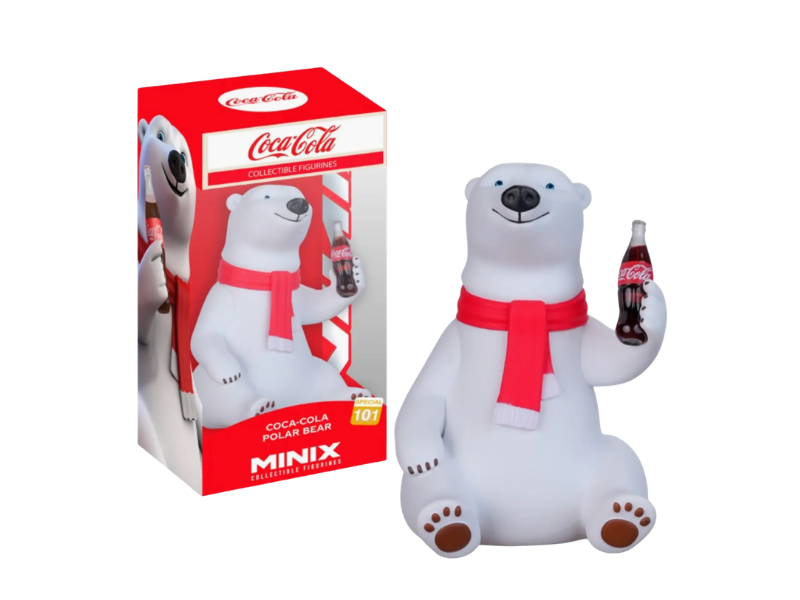
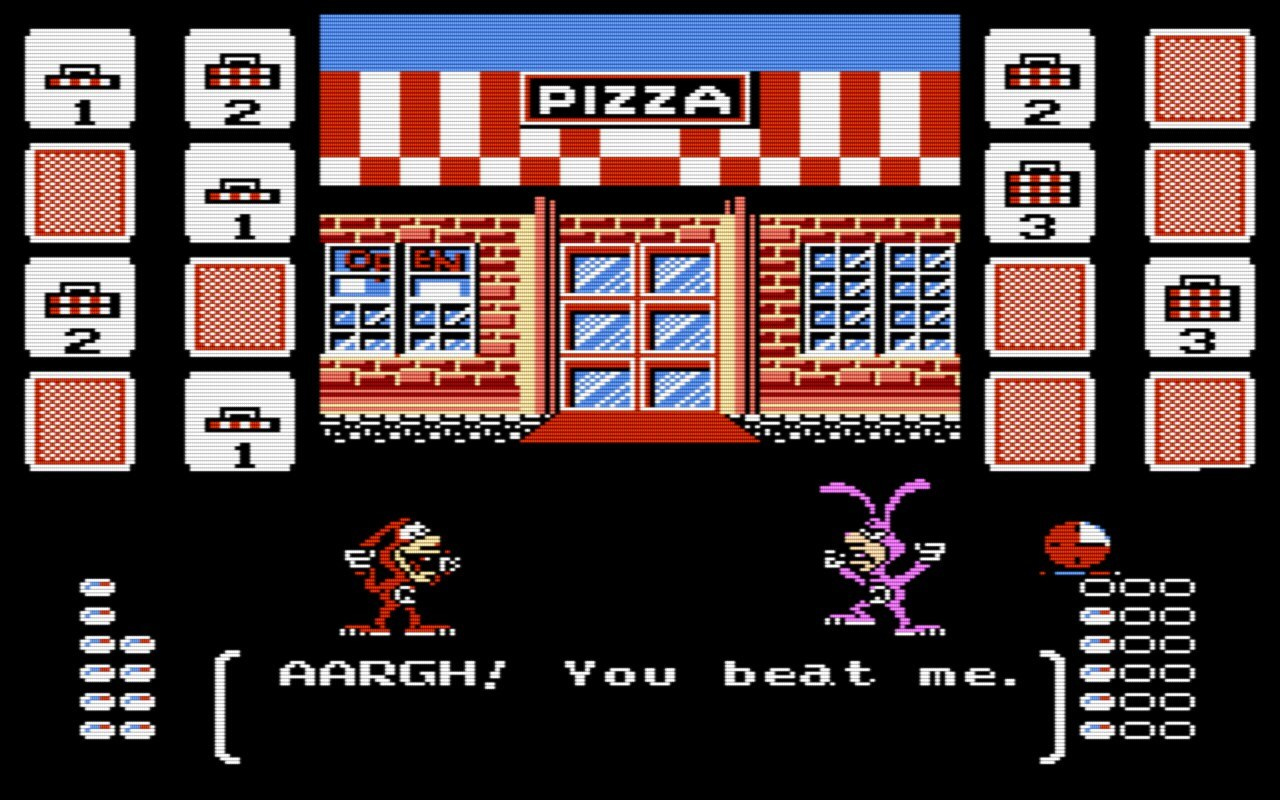
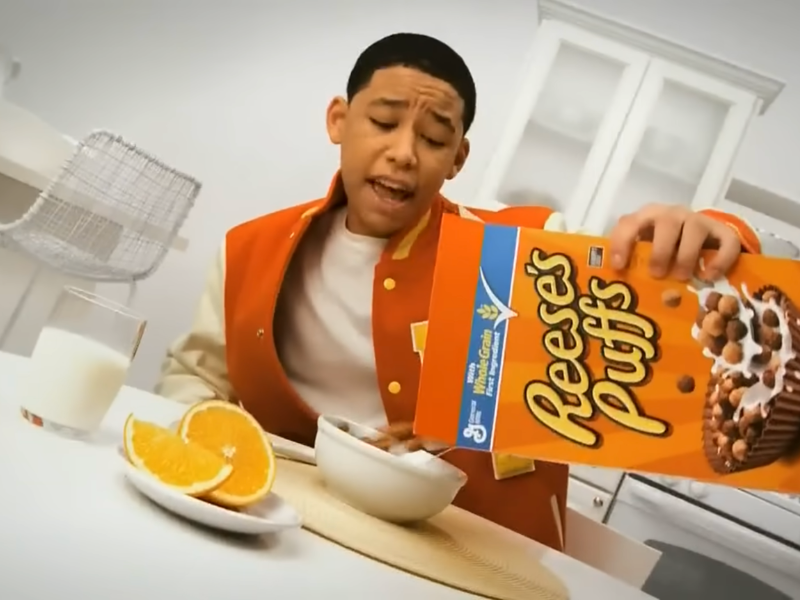
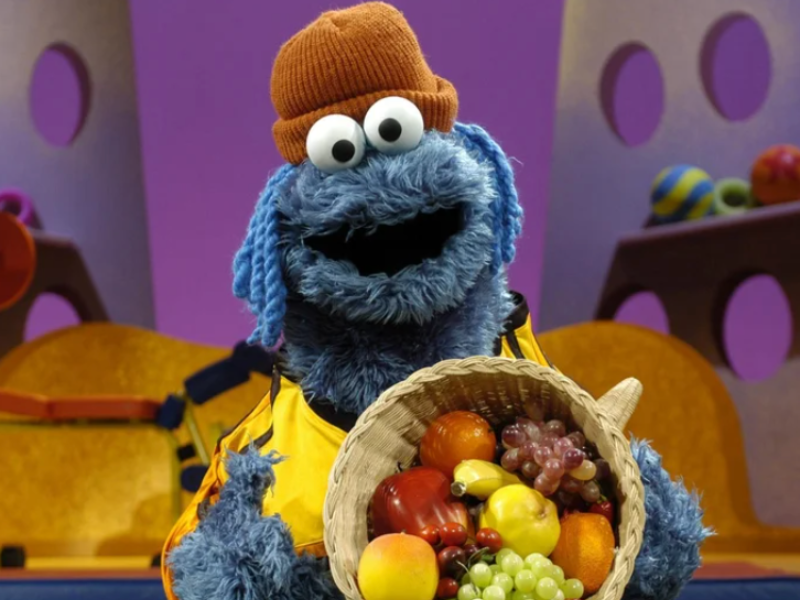
Most food marketing aimed at children is for ultra-processed foods high in calories, salt, sugar, and unhealthy fats. That marketing shapes children’s diets by promoting cravings, preferences, purchase requests (the “nag factor”), and ultimately consumption of those foods. Diets high in ultra-processed foods have contributed to soaring rates of childhood obesity and increased risk later in life of type 2 diabetes, stroke, cancer, and heart disease.

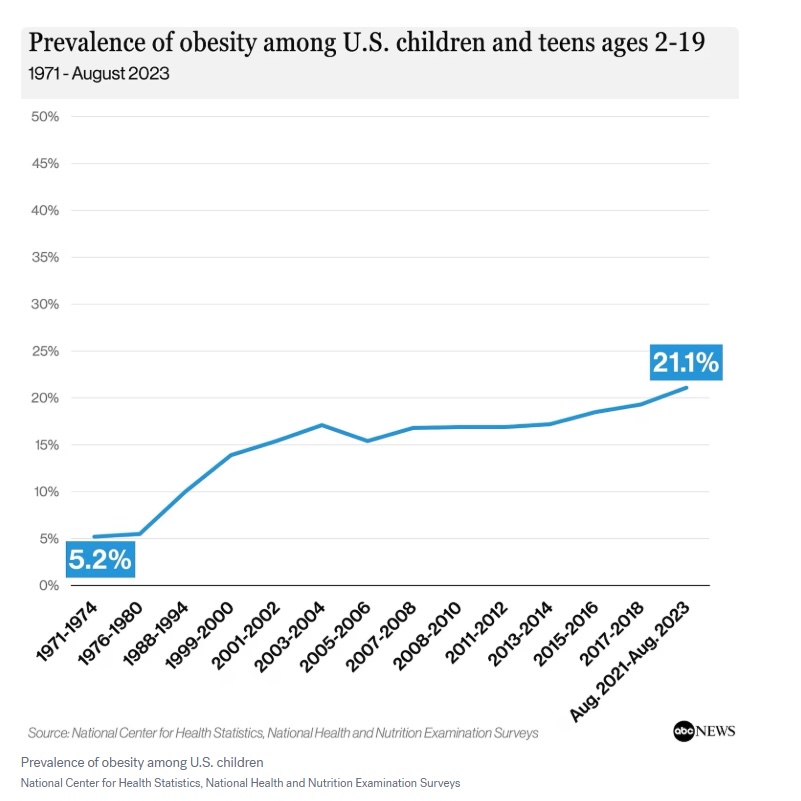
Line graph: Obesity prevalence among U.S. children and teens ages 2-19, 1971-August 2023. 21.1% in 2023.

Since the 1970s, childhood obesity rates have soared. Over the same period, children have been exposed to—and consumed more—salty, sugary, high-fat processed foods: the same foods most frequently marketed to kids.

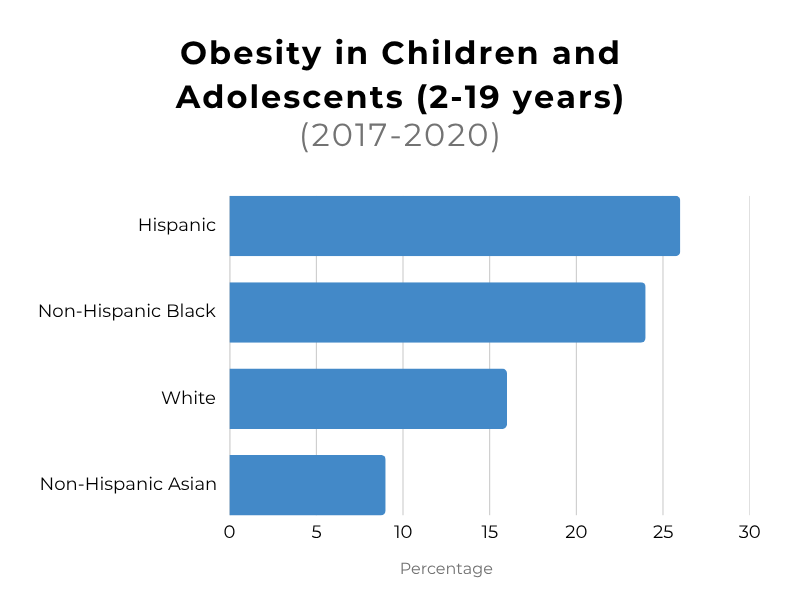
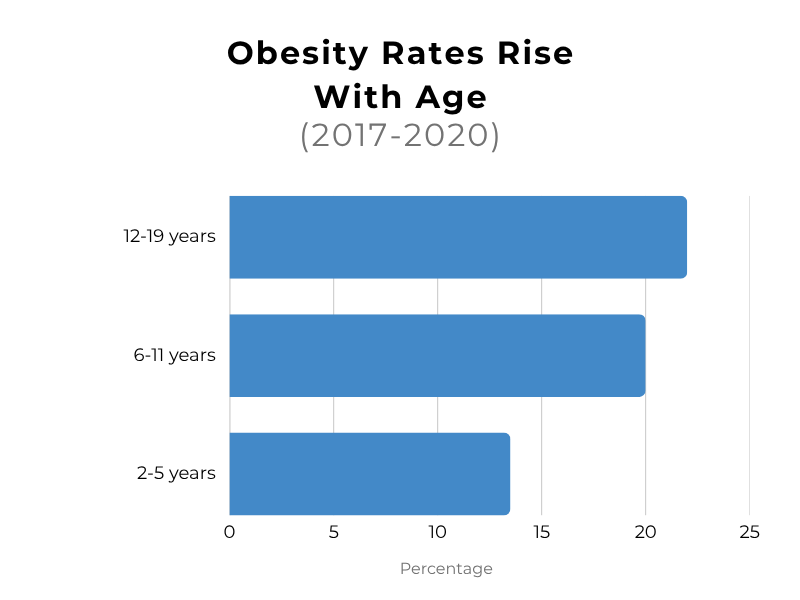
Obesity rates of Black and Hispanic youths are far higher than in White and Asian Americans. In addition, the older the youths, the higher the obesity rate. 

Bar chart showing obesity in Hispanic children (28%) and Non-Hispanic Black children (25%) vs. White children (16%) and Asian children (9%) aged 2-19 (2017-2020).
Bar chart showing rising obesity rates in children aged 2-5, 6-11, and 12-19 years from 2017-2020.

Michael Rich, MD, MPH—a pediatrician and researcher at Harvard Medical School—explains that young children are not yet able to recognize persuasive intent, making them especially vulnerable to marketing that shapes their food preferences and long-term health.

David Ludwig, MD, PhD—a pediatric endocrinologist and obesity researcher at Boston Children’s Hospital and Harvard Medical School—explains the pathway by which food marketing shapes children’s preferences, encourages kids to nag their parents, increases consumption of unhealthy foods, and ultimately promotes obesity and other health harms.

Watch as Barry Popkin, PhD—a nutrition epidemiologist and economist at the UNC Chapel Hill Gillings School of Global Public Health—explains how marketing junk food to children contributes to serious and far-reaching health consequences.

Feed Your Curiosity About Food!

Please join our email list to occasionally hear our views on timely issues and learn about The National Food Museum’s progress. We promise we won’t clutter your inbox!