Screens That Sell:
TV ads, Product Placement, and More

Children’s entertainment has long doubled as a marketing platform. From high-volume TV commercials to brand placements embedded in movies and video games, companies have turned screens into ubiquitous selling tools.

RADIO ADS

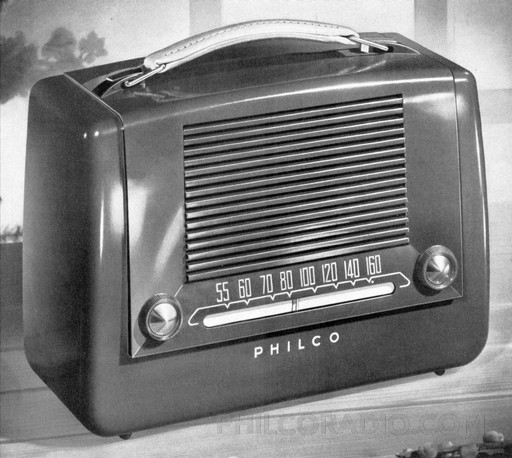
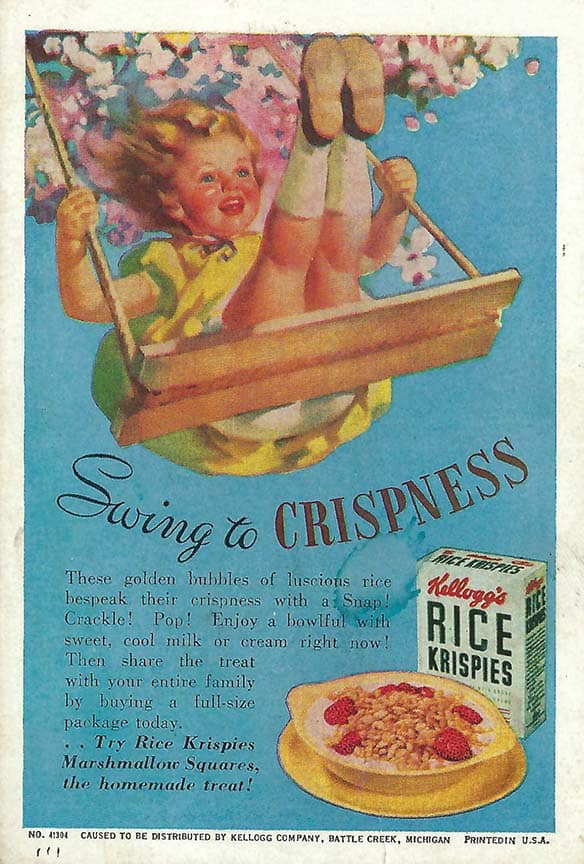
Before television, there was radio—and advertisers were already shaping tastes and habits. These commercials for Armour Hot Dogs and Chiquita Bananas feature catchy jingles meant to capture listeners’ attention, influencing what families buy and eat. 

Vintage Philco radio with tuning dial showing frequencies. Philco is visible on the radio.
Vintage Kellogg's Rice Krispies ad featuring a girl on a swing, cereal, and the text "Swing to Crispness.
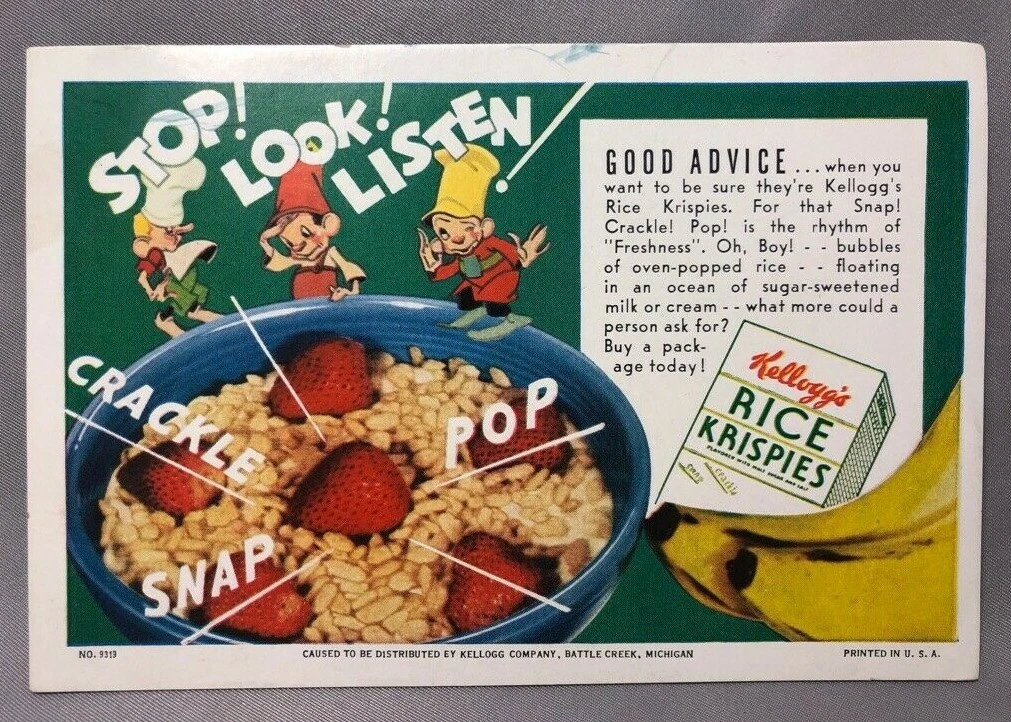
Vintage Kellogg's Rice Krispies ad: "Stop! Look! Listen!" with Snap, Crackle, Pop elves.

This early Rice Krispies radio ad leans on the now-iconic “Snap! Crackle! Pop!”—a catchy audio hook designed to capture children’s attention.

Television

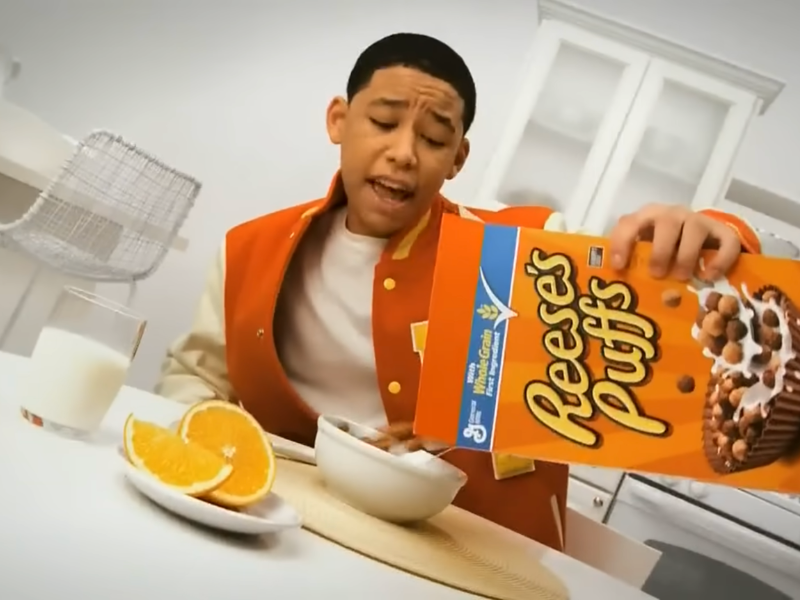
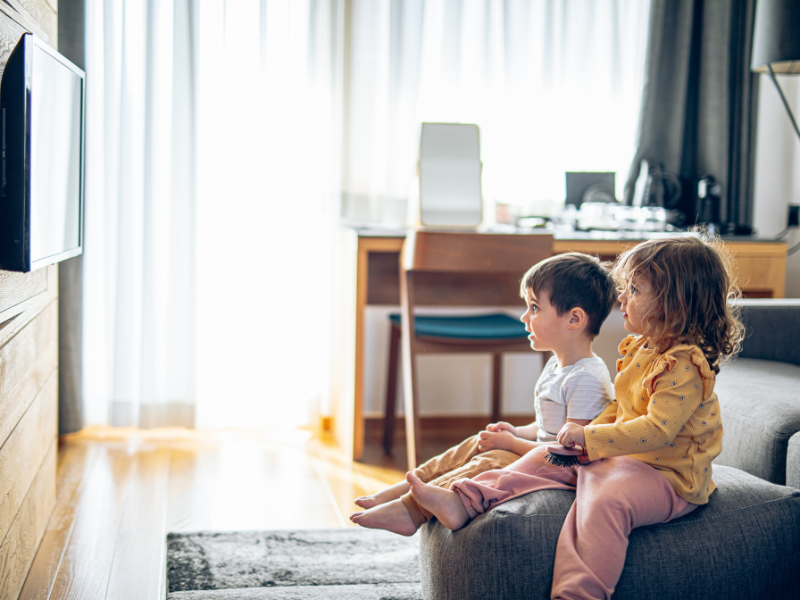
Television represented a huge marketing breakthrough. It became possible to advertise directly to children. For decades, ads for candy-like cereals, fast food, snacks, and sweet drinks were showered on kids, especially on Saturday mornings and after school.

At its height from the 1960s to 2000s, children saw thousands of food-related commercials each year. That number has declined sharply as marketing moved online.

This early JELL-O ad relied on a racial stereotype of a Chinese baby to target American housewives (and possibly children)—an early example of how marketers have occasionally exploited offensive imagery to grab audiences’ attention.

JELL-O Commercial
(General Foods Corp.; 1959)

Junk food ads on Peanuts
(Dolly Madison; 1980)

“Host selling”—when familiar TV characters promote products within or around the shows that made them famous—blurs the line between entertainment and advertising.

In 1974 (pre-cable, pre-internet) the Federal Communications Commission discouraged broadcasters from allowing host selling in programs, but the toothless rhetoric was largely ignored. Today, popular characters still sell—just in ways that sidestep the original rules.

Butterfinger Ad featuring The Simpsons
(Butterfinger; 1991)

Bright colors, supposed fruit shapes, and a mischievous mascot helped make Trix sugary cereal a child favorite. In this commercial, the Trix Rabbit once again tries—and fails—to grab a bowl before hearing the famous line: “Silly rabbit, Trix are for kids!”

This ad, promoting a nipple-shaped lollipop designed to be licked and dipped into a high-sugar, dye-filled flavored powder, depicts kids dancing, laughing, and dipping into the candy for more flavor. A code gives access to online games, extending the brand experience.

Featuring celebrities that were popular among teens at the time, this Danimals ad employed another tool to amp up sales: sweepstakes. This one promises a trip to Hollywood and $10,000 to one lucky winner.

When an animated movie hits theaters, it often lands in a Happy Meal, too. In partnership with Incredibles 2, McDonald’s released collectible toys featuring the film’s characters, turning a fast-food meal into a piece of the movie experience.

Even as parents push for healthier school foods, marketing for less-healthy products continues. In this 2025 commercial, Lunchables are positioned as a fun school lunch. The emphasis on “100% juice” highlights one positive-sounding ingredient, even though juices are almost as high in sugars as soft drinks and the rest of the meal consists largely of highly processed foods.

This 2026 McDonald’s Happy Meal ad taps into the global popularity of K-pop and fantasy storytelling—demonstrating how powerfully brands align with what kids are watching and loving. Despite decades of scrutiny, the core strategy remains unchanged: target kids where they are, and turn entertainment into advertising.

Product Placement

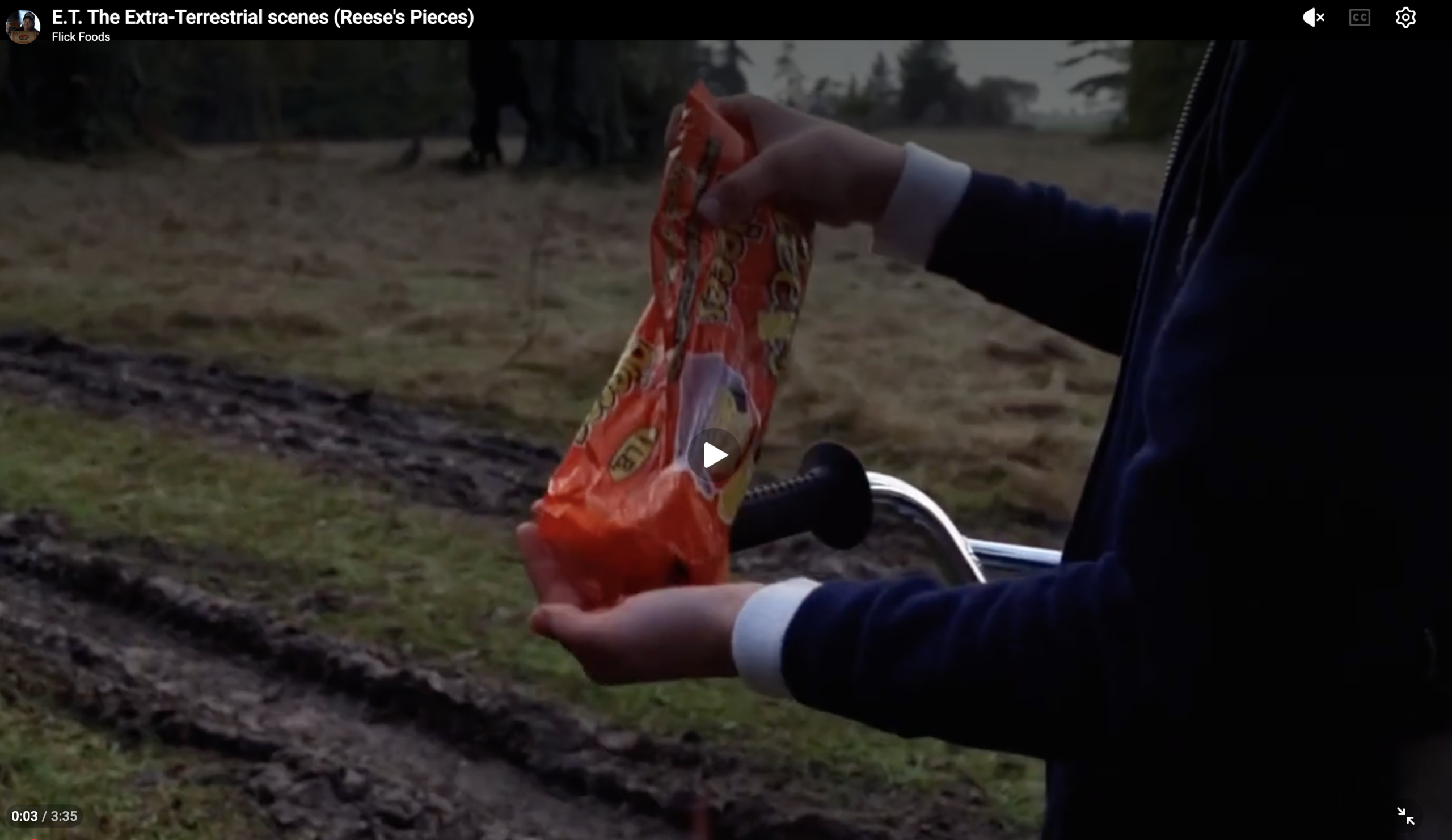
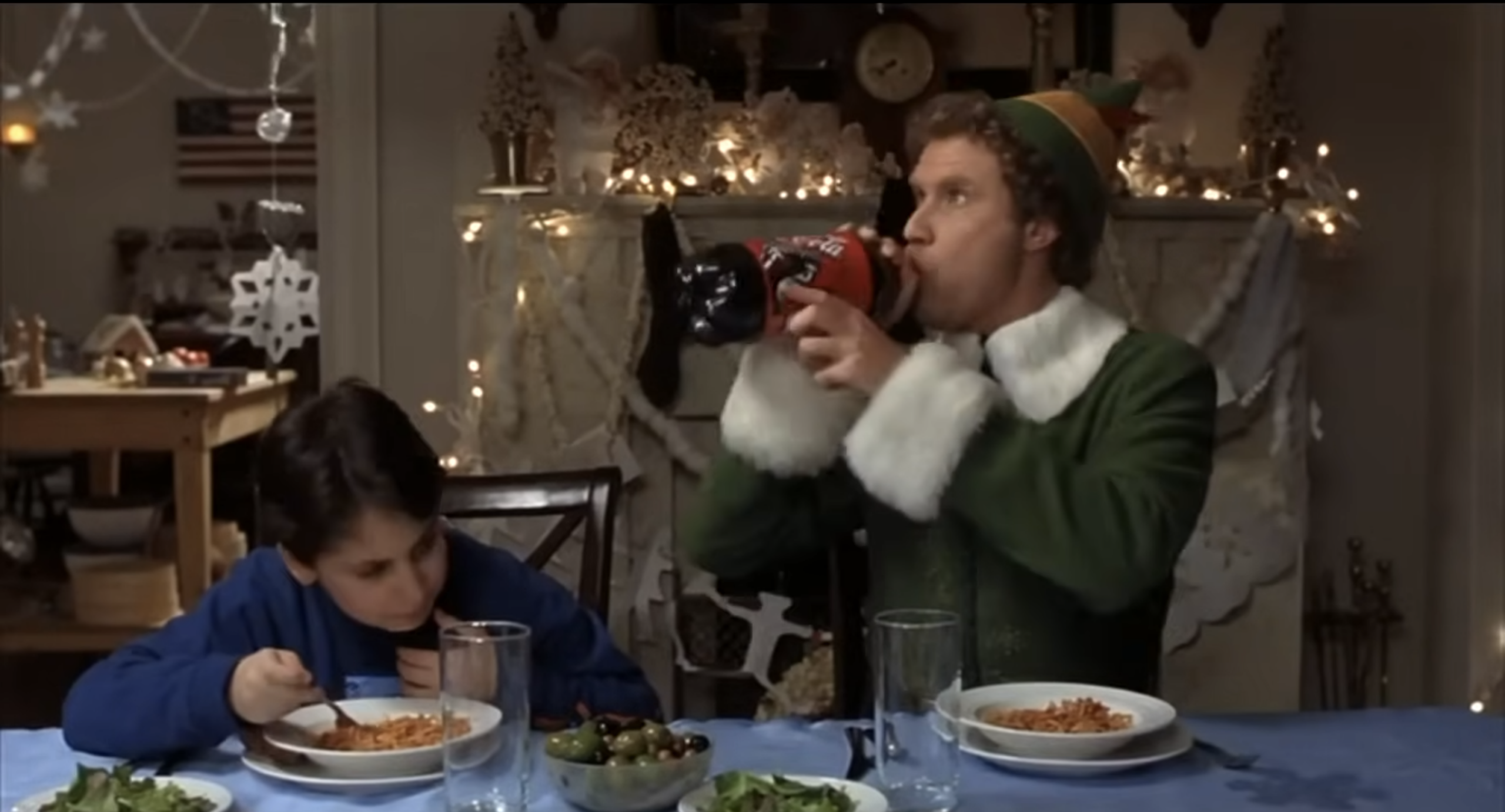
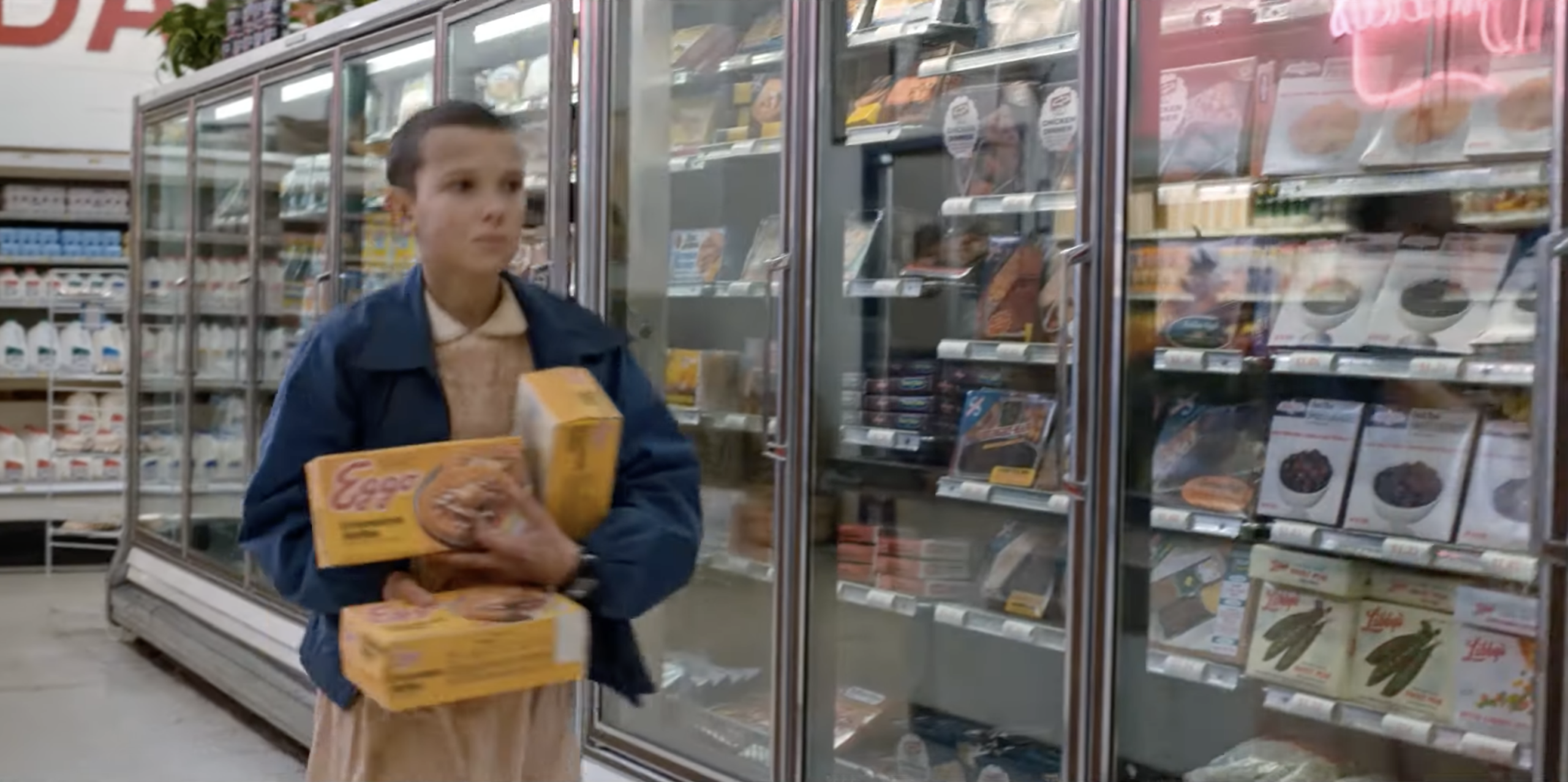
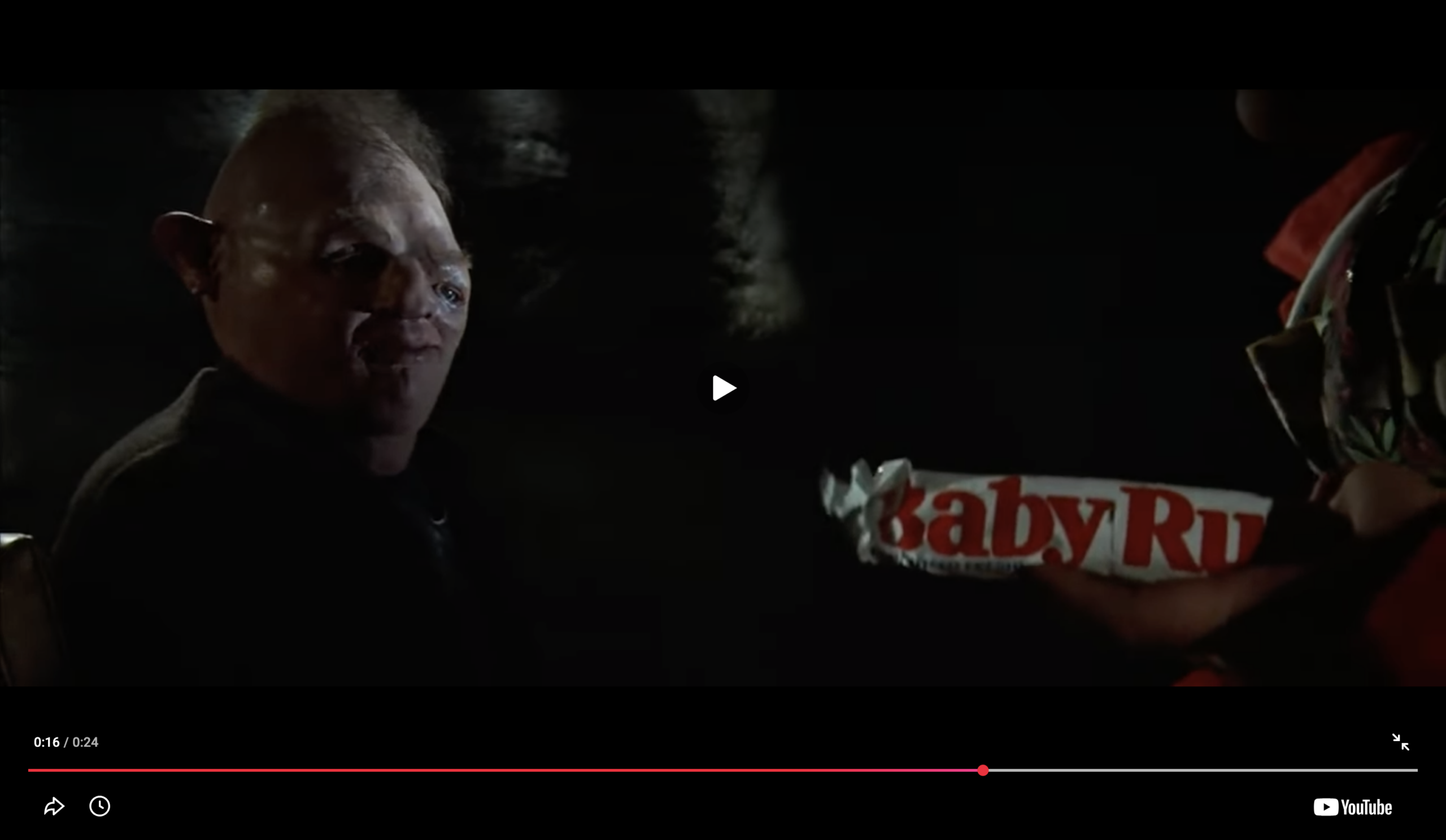
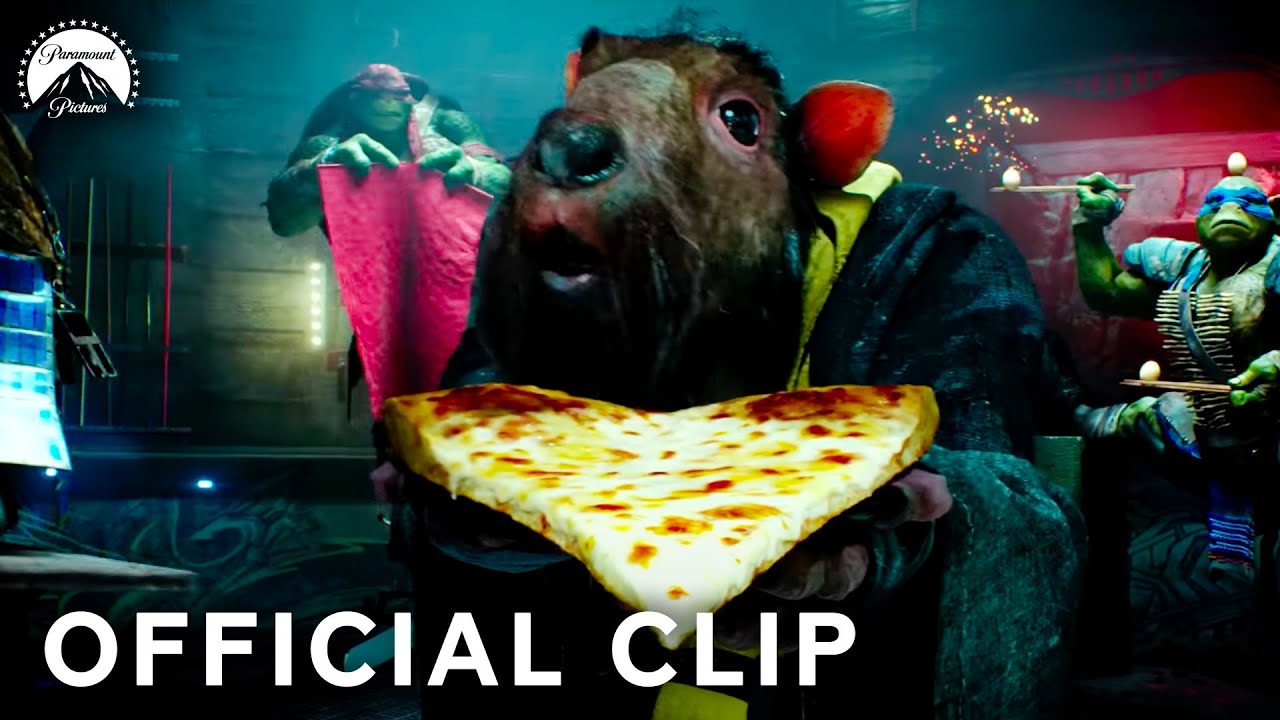
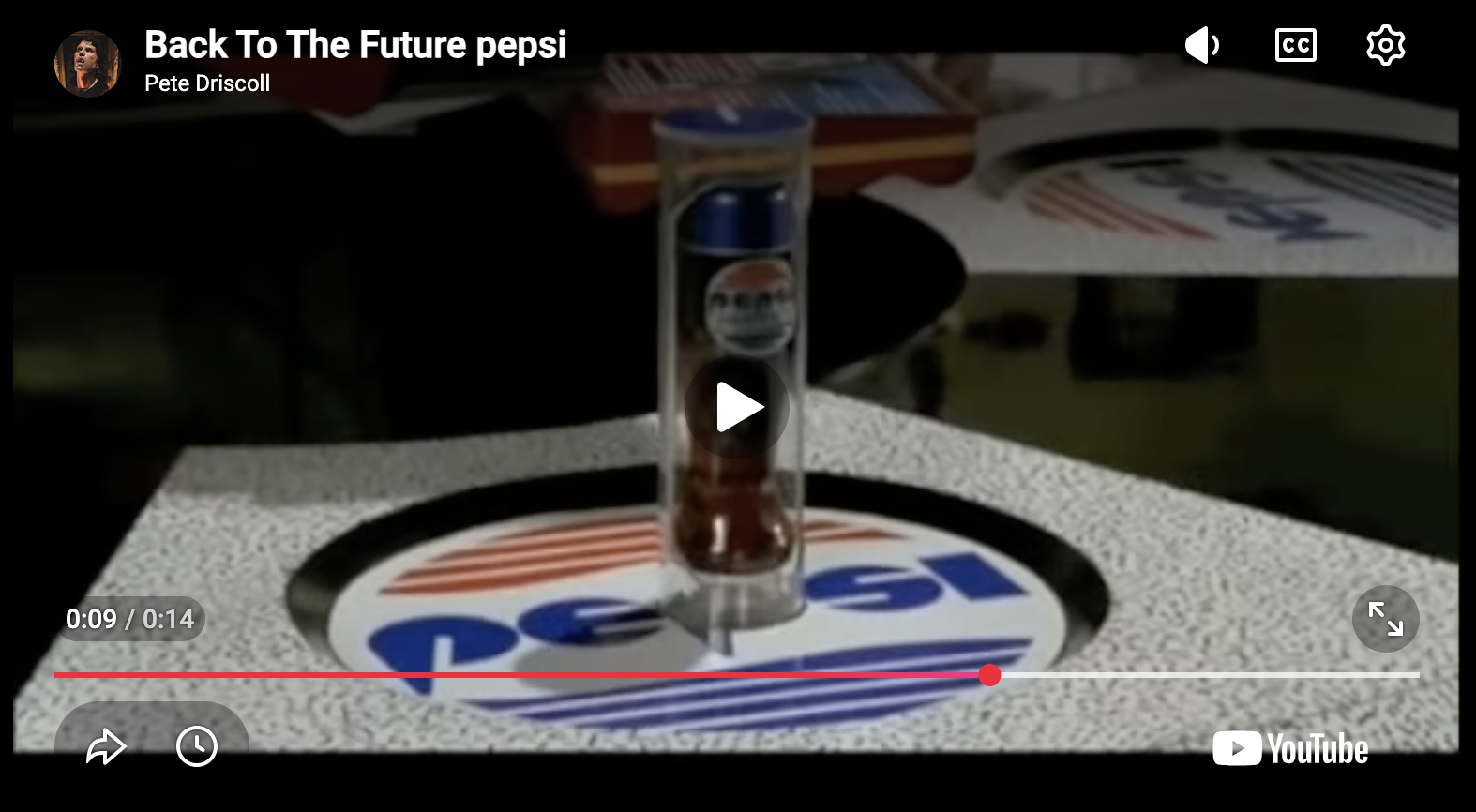
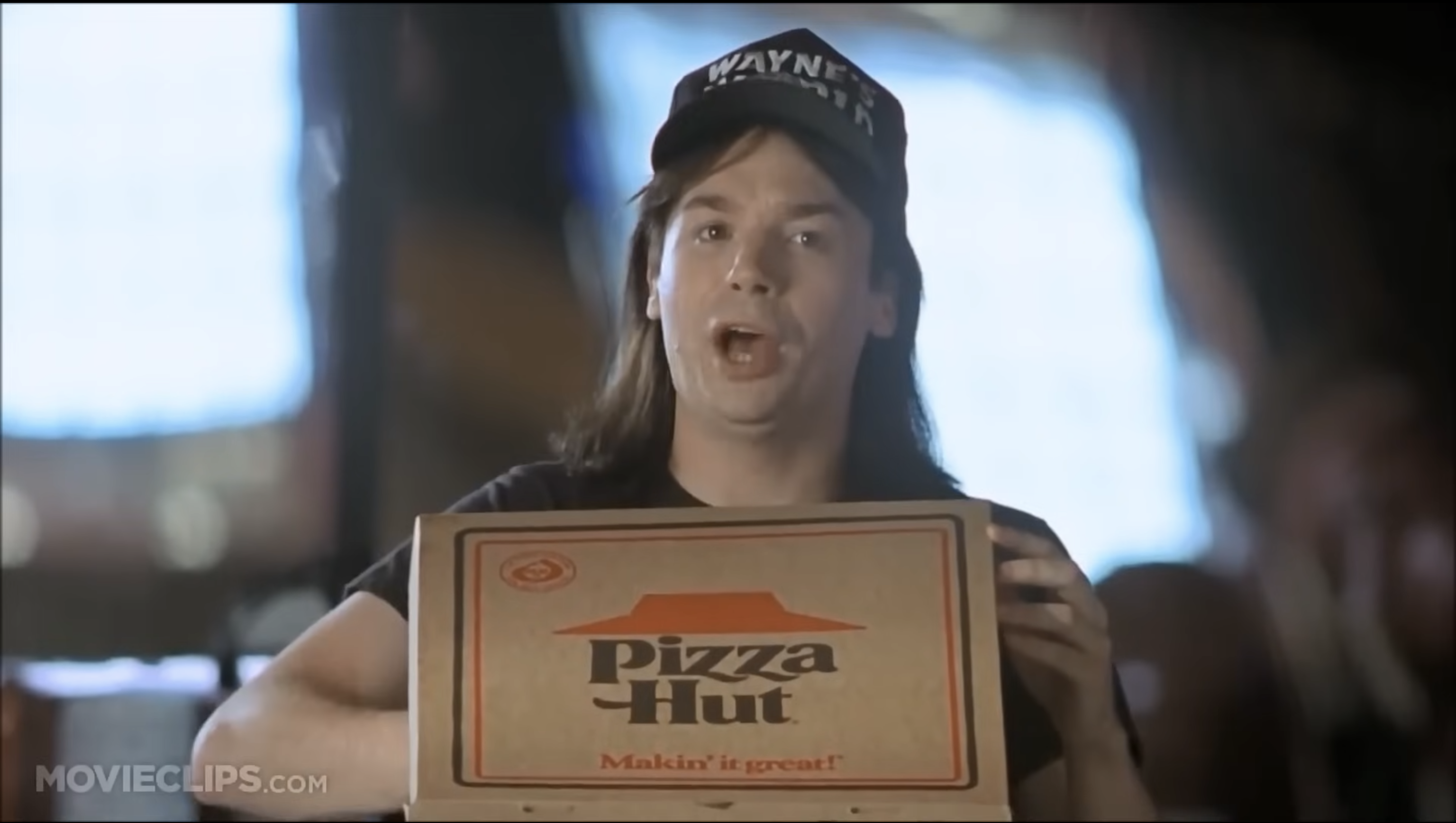
Product placement is an insidious marketing tactic that integrates food brands into movies and other media. This form of marketing exploded after the use of Reese’s Pieces in the movie E.T. the Extra-Terrestrial led to a 65 percent jump in sales. Showing foods (and other products) in ways other than overt advertising in movies, TV programs, or video games make branded foods seem normal, desirable, and part of daily life.

Playlist

7 Videos

A trail of candy leads E.T. home and launches Reese’s Pieces into the spotlight. M&M’s missed out on a great marketing opportunity!

Video Games

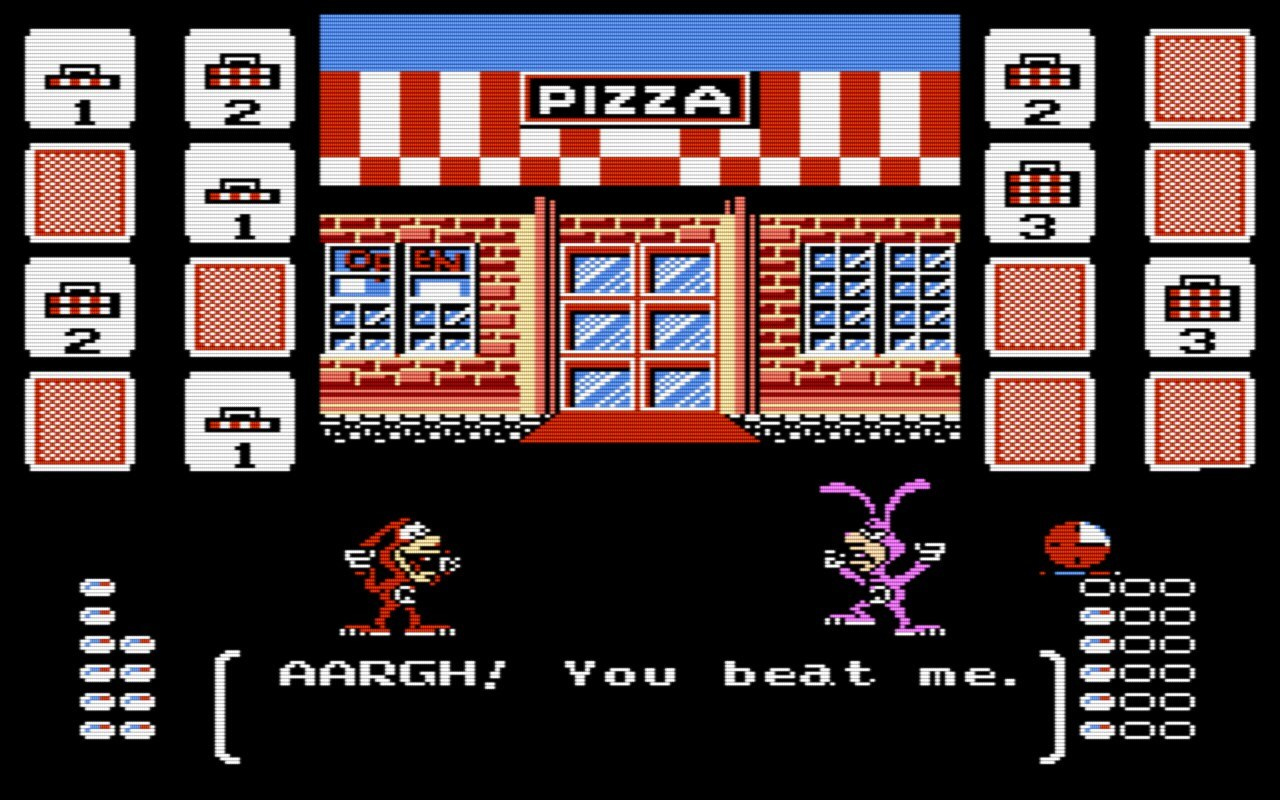
Processed foods frequently appear in video games as well. By placing branded foods inside gameplay, these promotions may not be recognized as marketing at all.

Final Fantasy XV and Cup Noodles

(Video Game; 2016)

Crazy Taxi and Pizza Hut

(Video Game; 1999)

NBA 2K24 and Gatorade

(Video Game; 2024)

Feed Your Curiosity About Food!

Please join our email list to occasionally hear our views on timely issues and learn about The National Food Museum’s progress. We promise we won’t clutter your inbox!