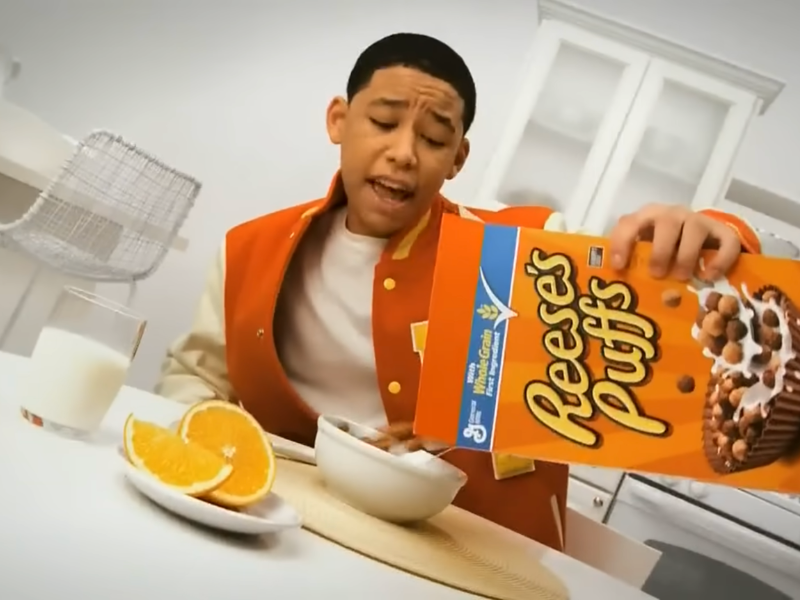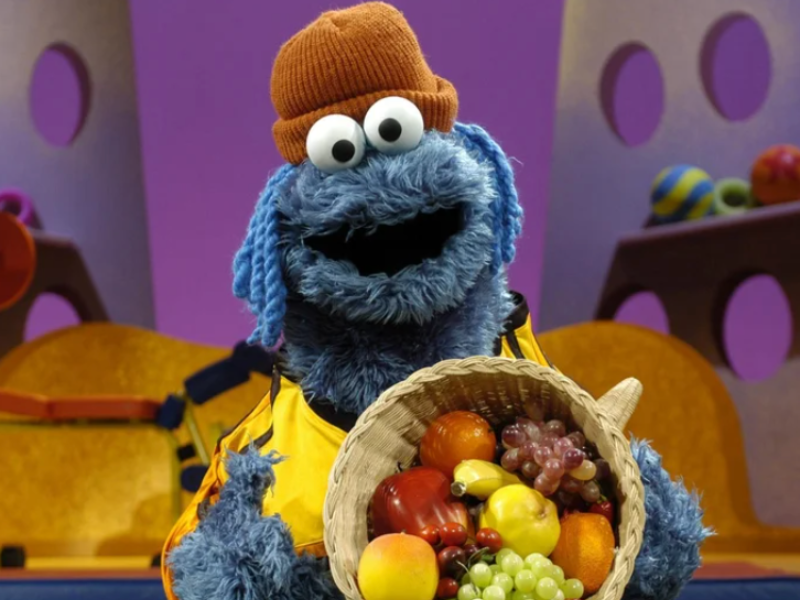
Schools have long been important grounds for food marketing. Despite nutrition standards meant to limit in-school marketing, companies continue to find pathways in. Through fundraisers, sponsored programs, branded rewards, and packaging that resembles retail counterparts, marketers secure daily access in a highly trusted venue to children who are required to serve as an audience.
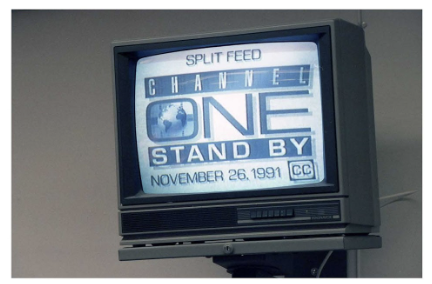
Running from 1990–2018, Channel One News delivered 10 minutes of news and two minutes of commercials directly into classrooms, reaching thousands of middle and high school students daily. Schools were given free TV sets in exchange for children’s minds. Many of the ads were for ultra-processed foods.
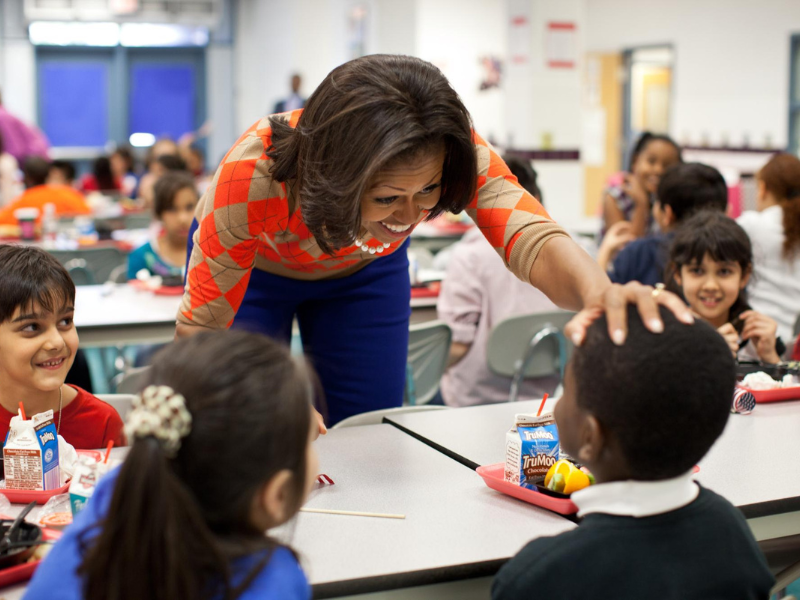
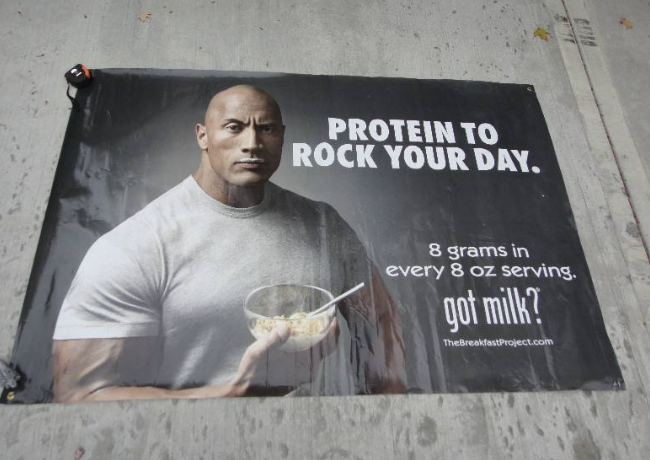
Launched in 1993 by the California Milk Processor Board, the “Got Milk?” campaign became a mainstay in school cafeterias nationwide and continues to shape milk marketing today. Giant posters featuring A-list celebrities with milk mustaches blend humor and star power to make milk seem cool.
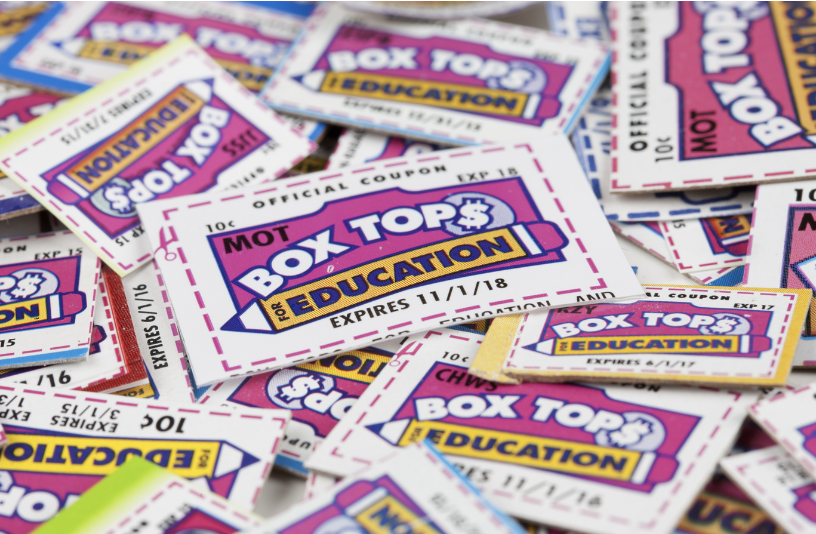
General Mills’ Box Tops for Education (created in 1996) turns food purchases into school funding. For decades, families clipped box tops from the company’s packages. Today, parents scan receipts through an app for points credited to their child’s school. Framed as a way to support schools, the program encourages students and parents to choose ultra-processed foods.
Marketed as teaching tools for preschoolers, these board books feature brand-name foods through licensed partnerships and have even been incorporated into curricula. Though not produced by the food companies themselves, they extend brand visibility into early learning spaces, blurring the line between education and advertising.
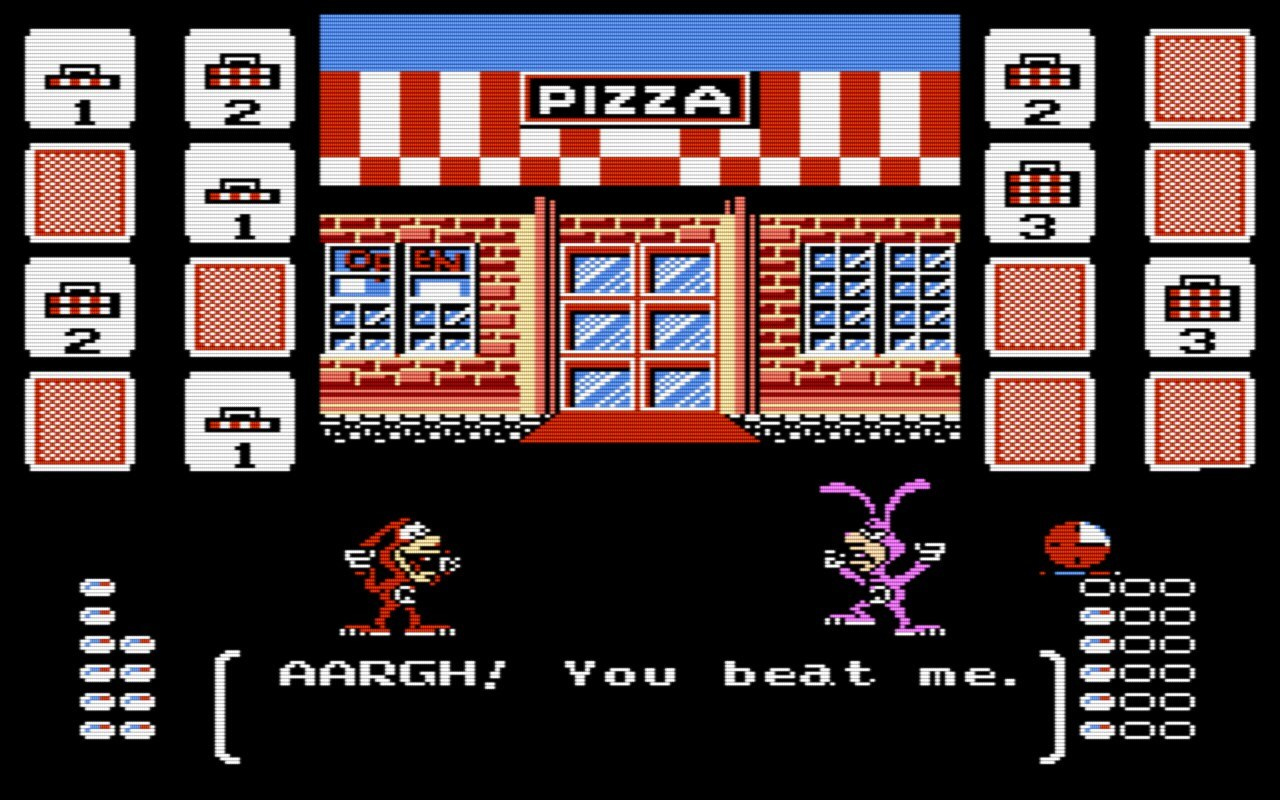
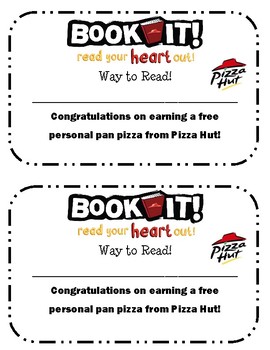
Launched in 1984, Pizza Hut’s BOOK IT! program rewards children with free personal pizzas for reading books. While it does encourage reading, the program embeds a fast-food brand into classrooms and children’s minds.
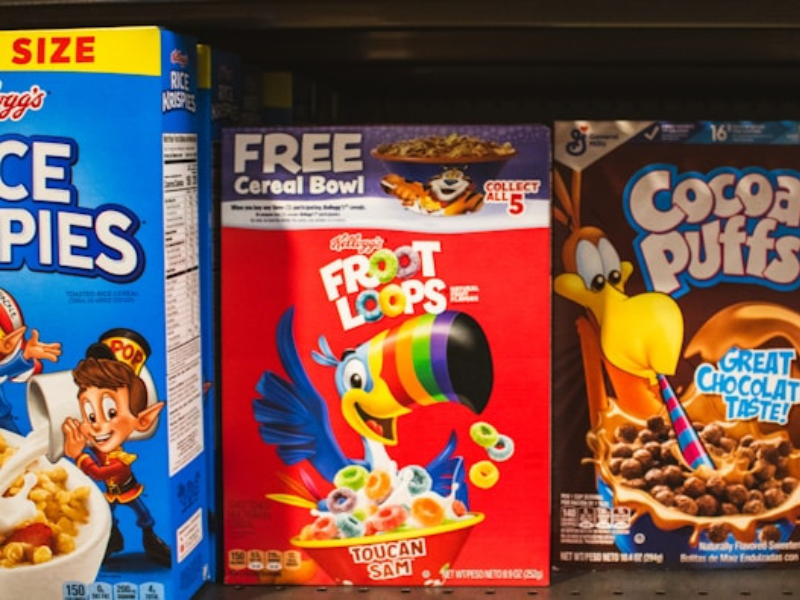
When the USDA improved its standards for schools in 2014, some junk foods sold and distributed in schools didn’t disappear—they were reformulated. A bit less sugar or sodium, but the same branding. Many school versions look almost identical to their retail counterparts, preserving brand recognition and loyalty.
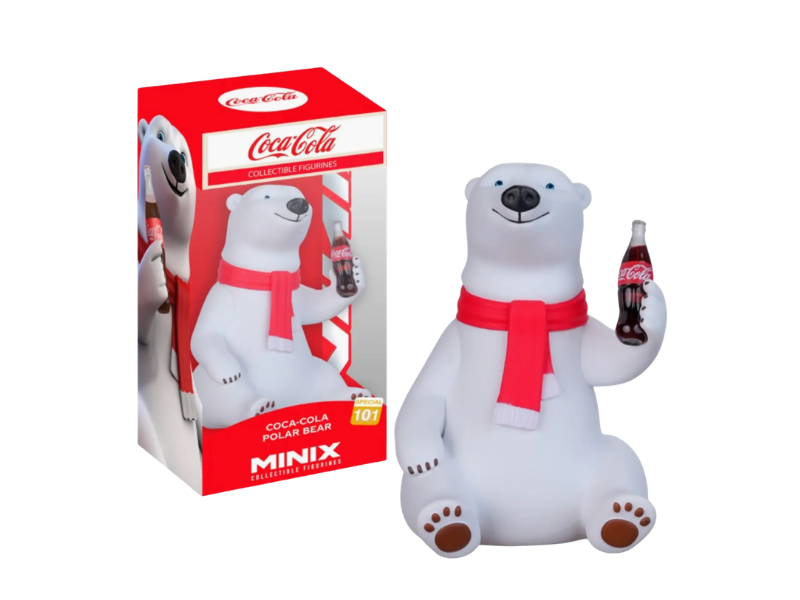
Chick-fil-A, Dr Pepper, and Coca-Cola line a high school scoreboard, while banners inside the gym echo the same presence. Beyond local sponsorships, food brands also shape school sports through nationally televised games and student awards. Together, these partnerships help fund facilities, teams, and recognition programs while keeping corporate brands embedded in students’ everyday experiences.
We use cookies to improve your experience on our site. By using our site, you consent to cookies.
Manage your cookie preferences below:
Essential cookies enable basic functions and are necessary for the proper function of the website.
Google reCAPTCHA helps protect websites from spam and abuse by verifying user interactions through challenges.
Statistics cookies collect information anonymously. This information helps us understand how visitors use our website.
Google Analytics is a powerful tool that tracks and analyzes website traffic for informed marketing decisions.
Service URL: policies.google.com (opens in a new window)
Marketing cookies are used to follow visitors to websites. The intention is to show ads that are relevant and engaging to the individual user.
A video-sharing platform for users to upload, view, and share videos across various genres and topics.
Service URL: www.youtube.com (opens in a new window)
You can find more information in our Cookie Policy and Private: Privacy Policy.
Please join our email list to occasionally hear our views on timely issues and learn about The National Food Museum’s progress. We promise we won’t clutter your inbox!