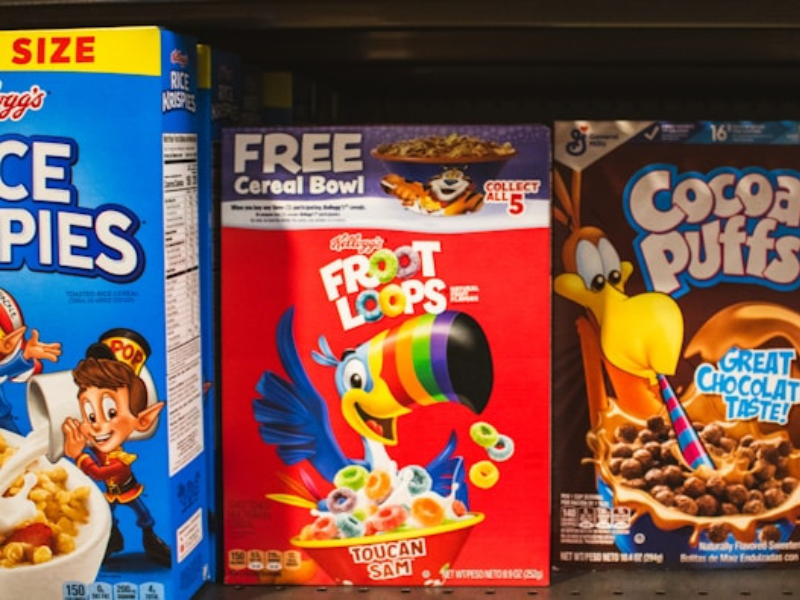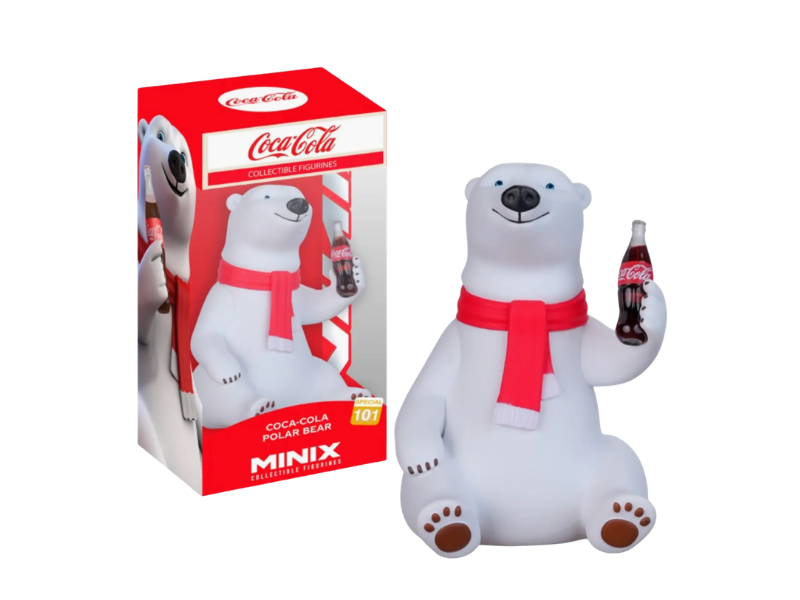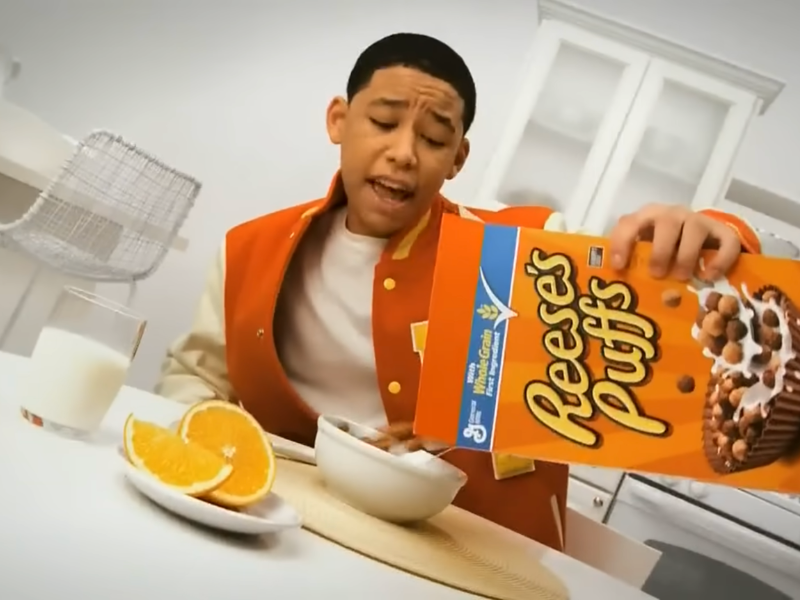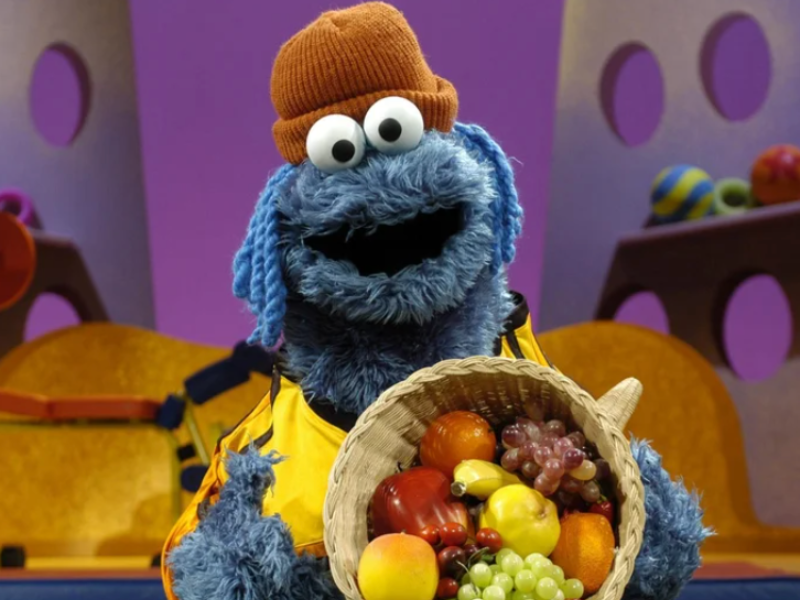
As kids spend more time online, companies have followed them into their digital worlds. From advergames to social media, digital strategies keep brands just a click away from young audiences.
Jeff Chester, Executive Director of the Center for Digital Democracy, explains how the explosion of online marketing created new high-impact opportunities for marketers to reach children—promoting eating habits that fuel today’s public health crisis.
Under the guise of play, advergames market products to children. Some are full-scale video games built around a brand mascot or product; others are simple mini-games hosted on company websites. In every form, they keep kids immersed in branded worlds. Advertising doesn’t interrupt entertainment; it is the entertainment.

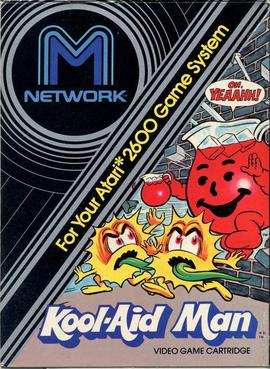
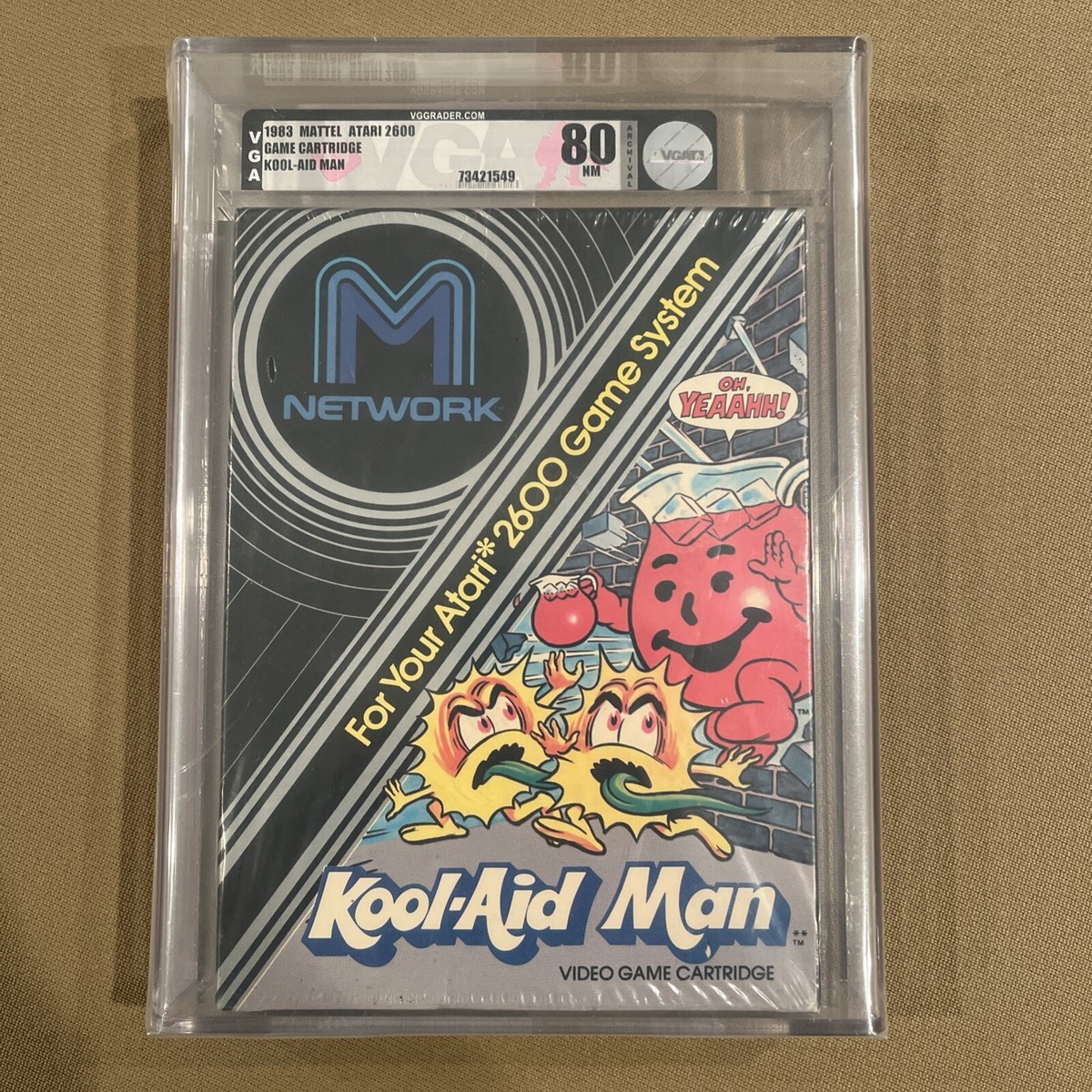
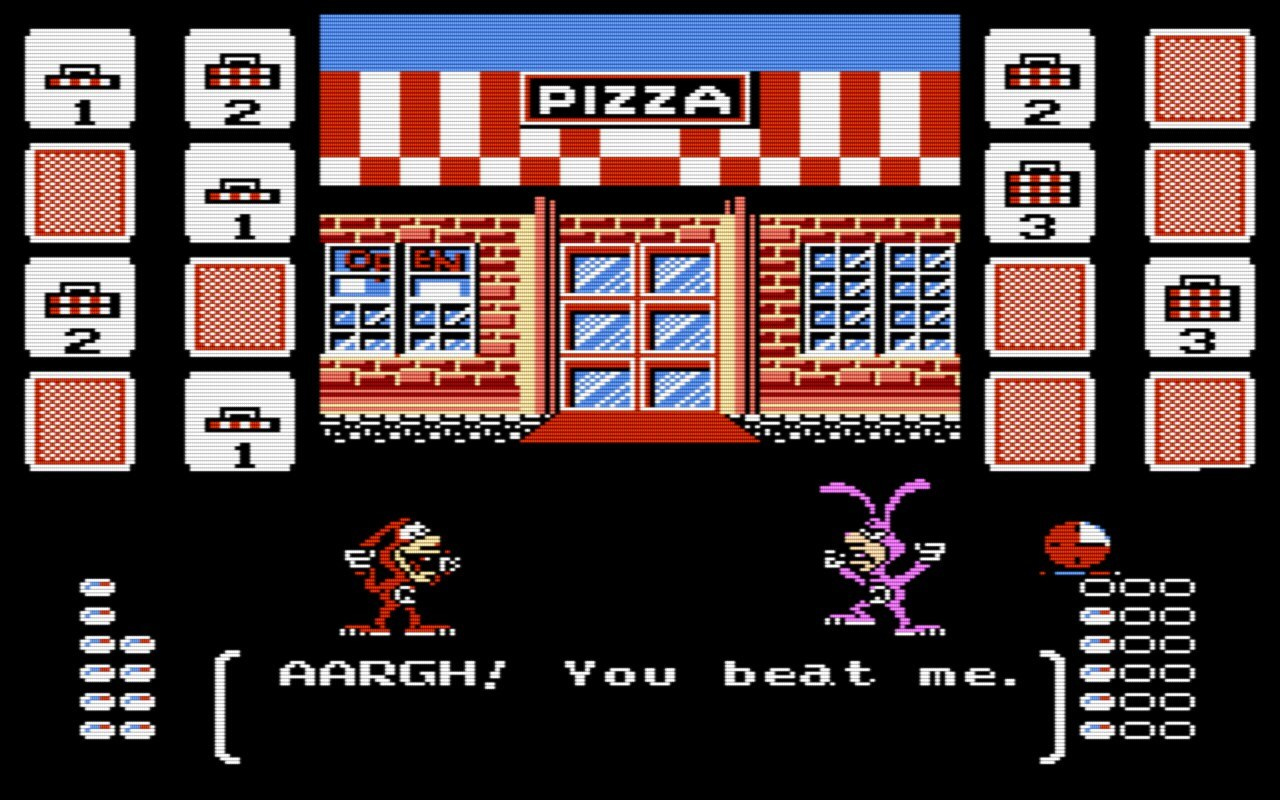
Back in the early 1980s, Kool-Aid Man was one of the first advergames ever released. Created for the Atari 2600, players worked to defend a pool of Kool-Aid from “Thirsties.”
Sneak King was a video game created by Burger King for the Xbox. Originally an online game, the company instead sold it as a disc in restaurants for $3.99 with the purchase of a value meal—a strategy aimed at driving customers into stores.
In recent years, social media has supercharged food marketing to children, embedding it into the platforms where they socialize and shape their identities. Most of the advertised products are highly processed and high in sugar, salt, or saturated fat. Companies use social media platforms to try to manufacture viral trends and seed memes. They pay influencers to seamlessly weave products into content. This marketing is highly targeted, difficult to monitor, and designed to feel like entertainment.

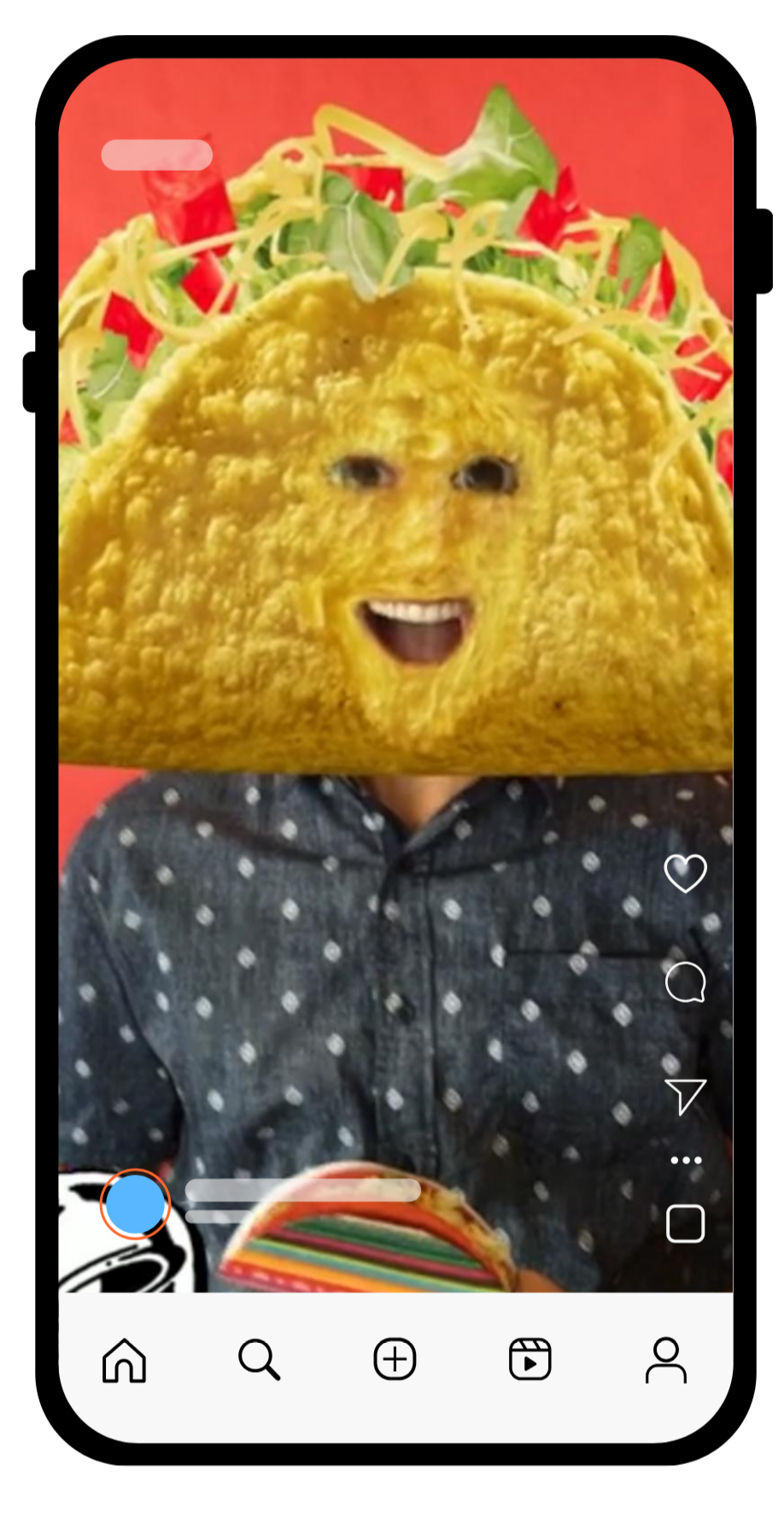
A branded filter on Snapchat turns users’ faces into tacos, encouraging them to snap a photo and share with friends. Campaigns like that turn kids and teens into promoters—spreading fast-food marketing through their own social networks.
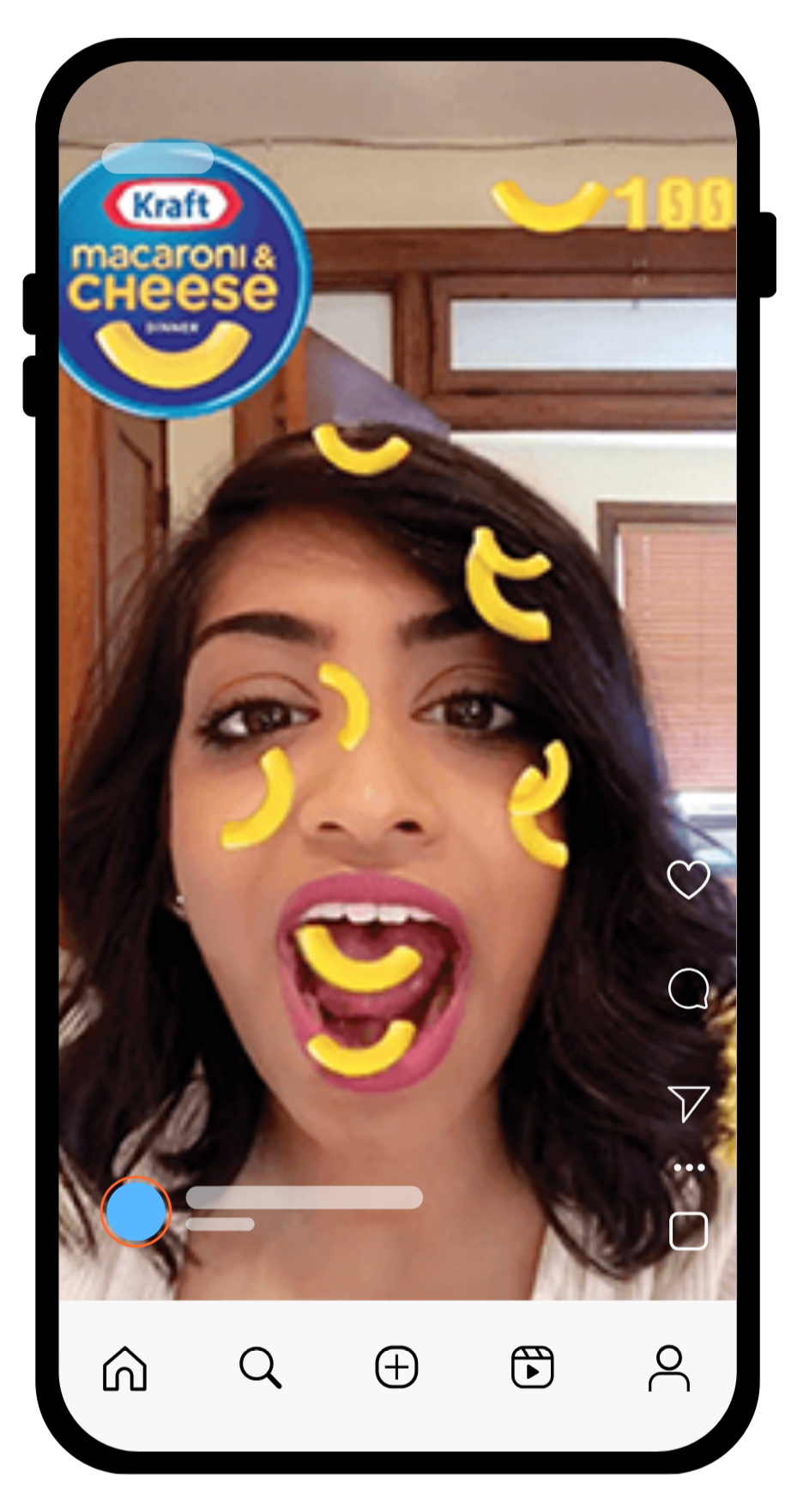
Kraft has historically used Snapchat filters, including a notable 2016 sponsored “Filter Game” where users caught Kraft Mac & Cheese, setting a benchmark for branded AR content. Kraft Heinz has continued to use AR to target Gen Z, focusing on immersive experiences.
A branded filter on Snapchat turns users’ faces into tacos, encouraging them to snap a photo and share with friends. Campaigns like that turn kids and teens into promoters—spreading fast-food marketing through their own social networks.
Kraft has historically used Snapchat filters, including a notable 2016 sponsored “Filter Game” where users caught Kraft Mac & Cheese, setting a benchmark for branded AR content. Kraft Heinz has continued to use AR to target Gen Z, focusing on immersive experiences.
Companies like Wendy’s and Domino’s create memes that blend into the language of the internet, mirroring the humor that kids and teens use in their social circles.
In 2020, 16-year-old TikTok creator Charli D’Amelio—with over 156 million followers—partnered with Dunkin’, weaving its drinks into her content. Such collaborations tap into the trust viewers place in influencers, blurring the line between authentic posts and advertising—especially when paid promotions aren’t clearly disclosed.
@charlidamelio the best part of any day @Dunkin' #dunkinpartner ♬ original sound - charli d’amelio
On TikTok, food reviews have become a powerful––and sometimes insidious–– form of marketing. What looks like an honest taste test can be paid advertising.
@akhsulie #ad @Domino’s gonna do it every time #fyp #dominoscreatorcollective ♬ original sound - Sulie
In 2020, 16-year-old TikTok creator Charli D’Amelio—with over 156 million followers—partnered with Dunkin’, weaving its drinks into her content. Such collaborations tap into the trust viewers place in influencers, blurring the line between authentic posts and advertising—especially when paid promotions aren’t clearly disclosed.
@charlidamelio the best part of any day @Dunkin' #dunkinpartner ♬ original sound - charli d’amelio
On TikTok, food reviews have become a powerful––and sometimes insidious–– form of marketing. What looks like an honest taste test can be paid advertising.
@akhsulie #ad @Domino’s gonna do it every time #fyp #dominoscreatorcollective ♬ original sound - Sulie
Child influencer Ryan Kaji, the star of the Ryan’s World channel, reviews toys for more than 40 million subscribers on YouTube. In videos like this one—framed as play—only brief, ineffective statements disclose that brand appearances are really paid advertising.
CURRENTLY VIEWING
We use cookies to improve your experience on our site. By using our site, you consent to cookies.
Manage your cookie preferences below:
Essential cookies enable basic functions and are necessary for the proper function of the website.
Google reCAPTCHA helps protect websites from spam and abuse by verifying user interactions through challenges.
Statistics cookies collect information anonymously. This information helps us understand how visitors use our website.
Google Analytics is a powerful tool that tracks and analyzes website traffic for informed marketing decisions.
Service URL: policies.google.com (opens in a new window)
Marketing cookies are used to follow visitors to websites. The intention is to show ads that are relevant and engaging to the individual user.
A video-sharing platform for users to upload, view, and share videos across various genres and topics.
Service URL: www.youtube.com (opens in a new window)
You can find more information in our Cookie Policy and Private: Privacy Policy.
Please join our email list to occasionally hear our views on timely issues and learn about The National Food Museum’s progress. We promise we won’t clutter your inbox!