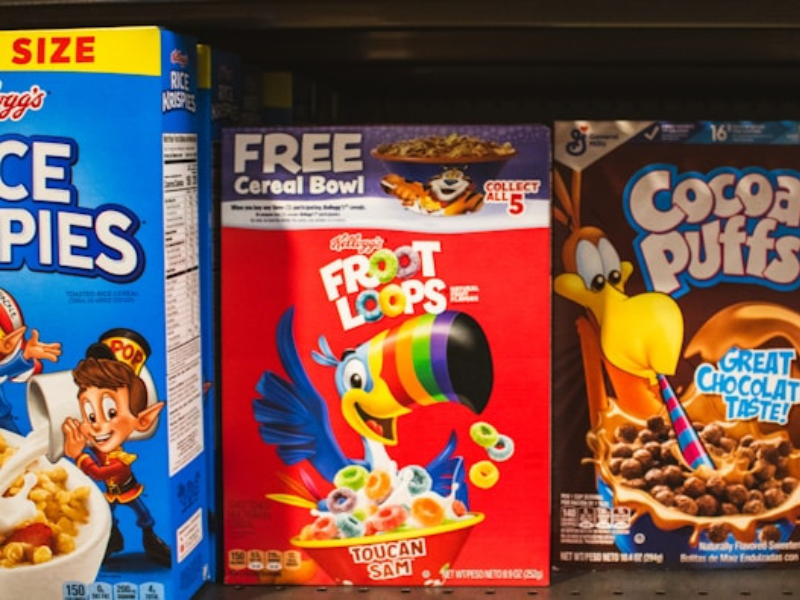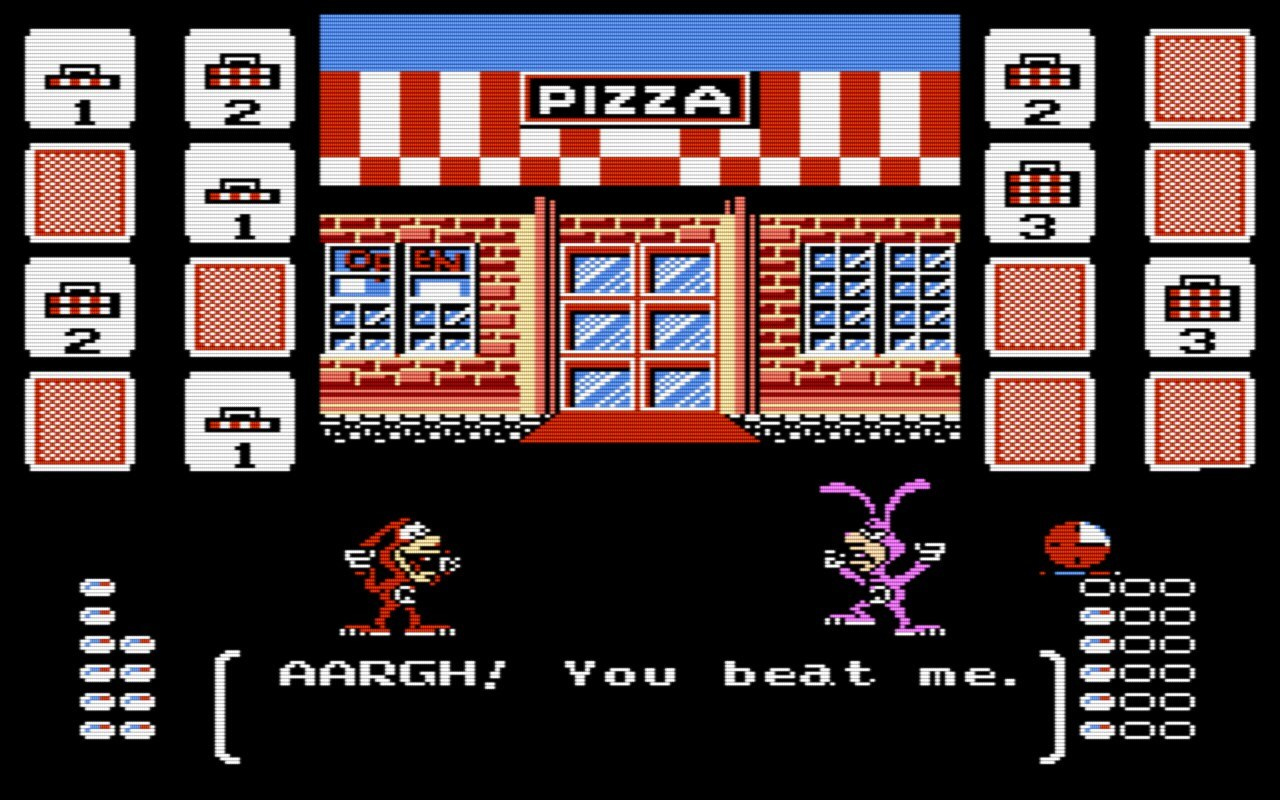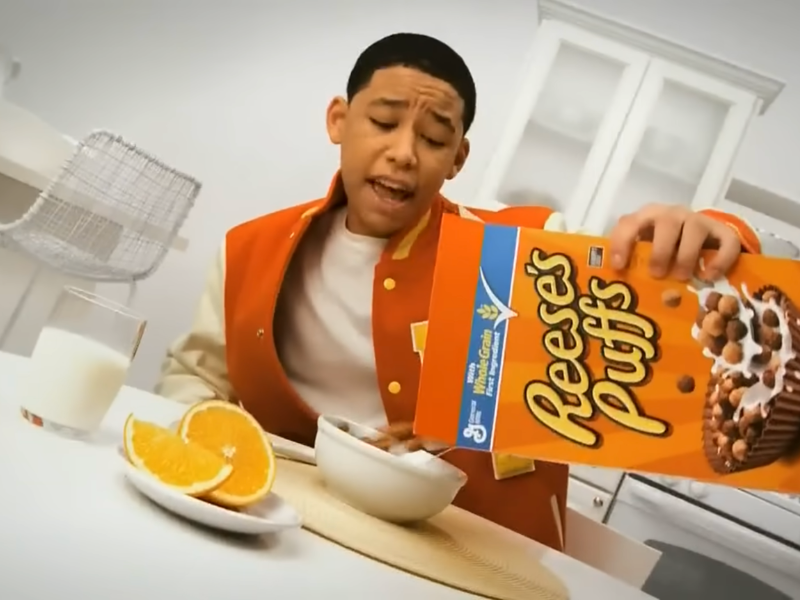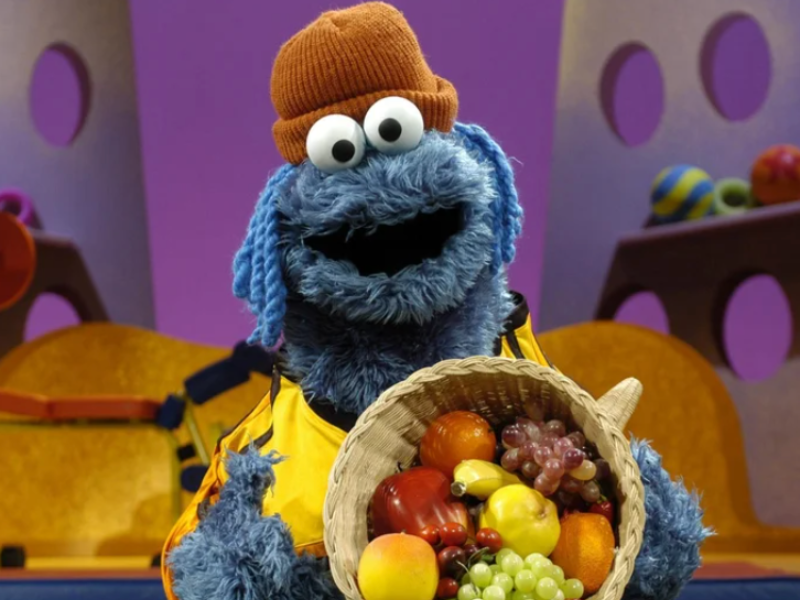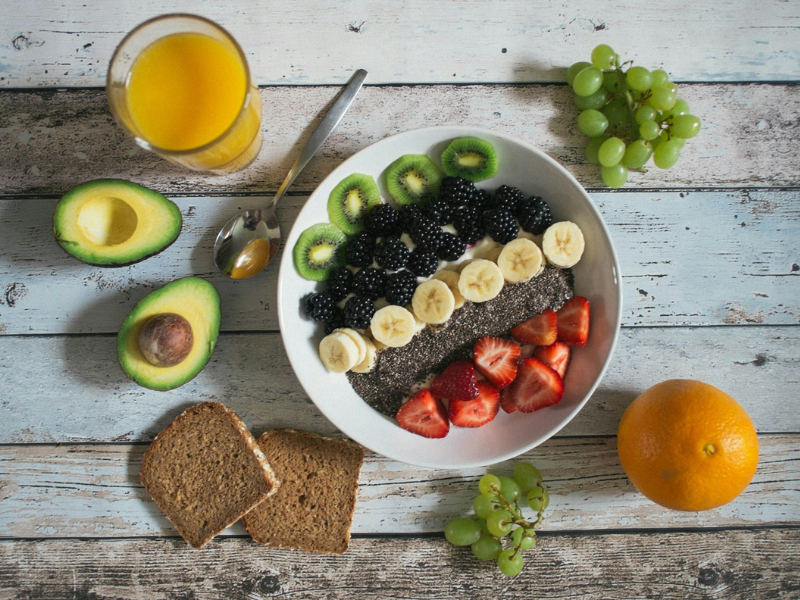
Using clothing, toys, and cartoon tie-ins, companies embed logos into children’s everyday lives—linking brands to play, reward, and identity. These early emotional associations shape preferences and loyalty long before kids can recognize persuasive intent. Unfortunately, this powerful strategy is used almost exclusively to market unhealthy ultra-processed products over fruits, vegetables, nuts, and other nourishing foods.
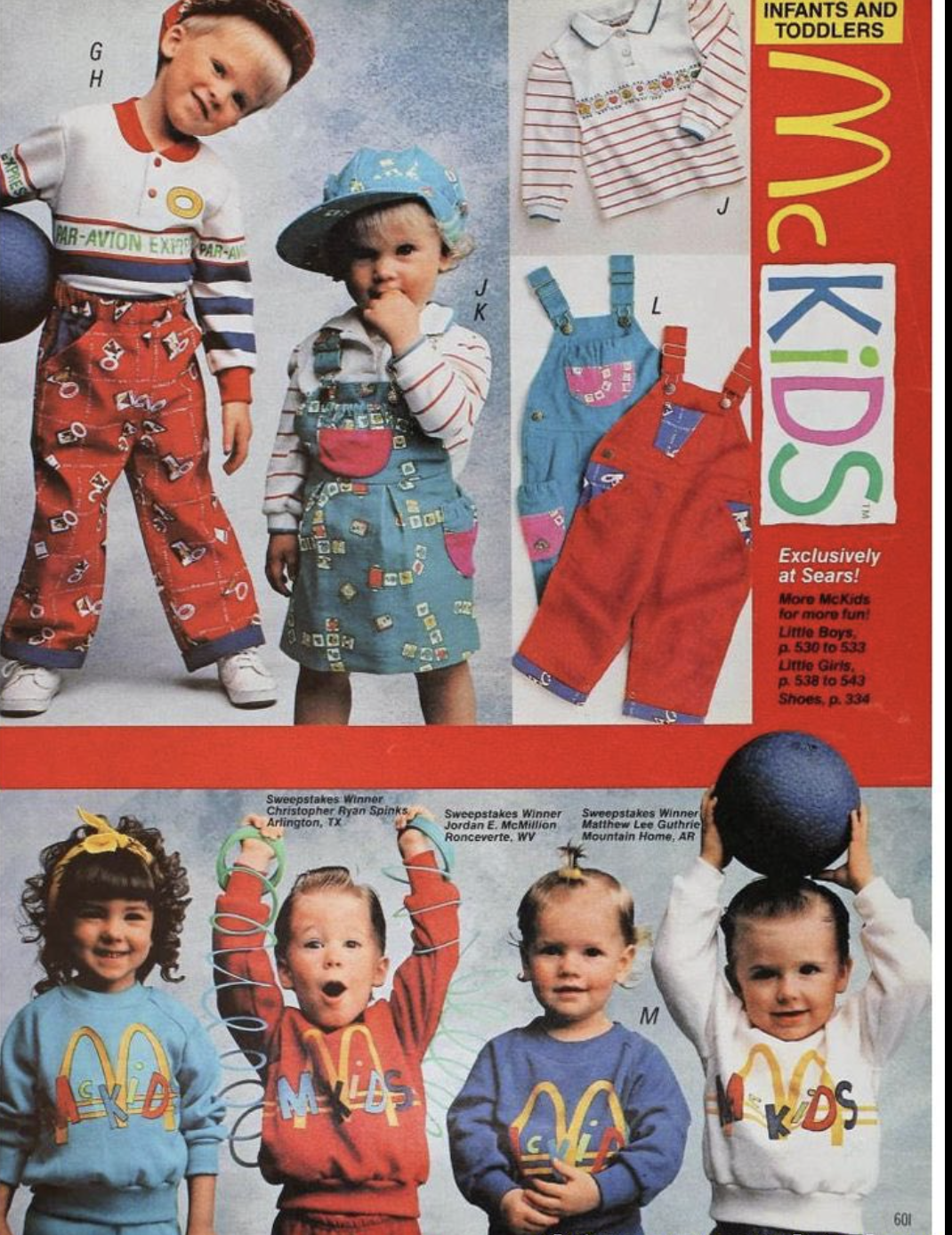
Images of popular foods or brands on children’s clothing are more than innocent, playful designs—they act as a form of marketing to young children that normalizes unhealthy eating. Shirts, pajamas, and accessories featuring sugary treats and salty snacks send children the message that those foods are desirable, everyday staples.
Analyses of children’s apparel from major retailers show that food graphics are common, and the vast majority promote burgers, sugar drinks, snack chips, and other unhealthy foods rather than healthier options. Clothing featuring logos blurs the line between play and advertising, turning kids’ wardrobes into yet another channel for promoting unhealthy diets.
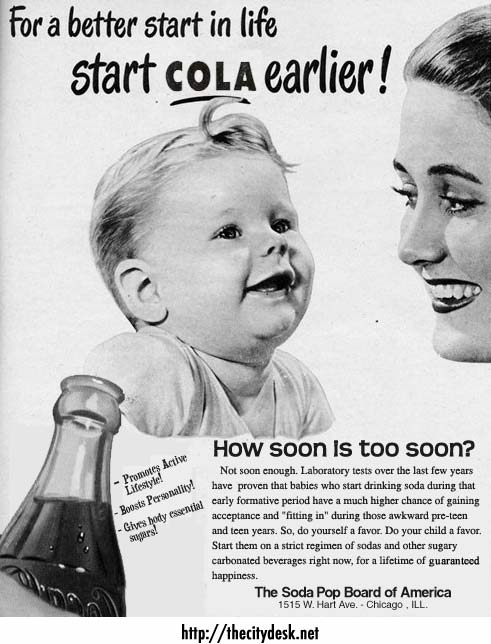
Even infants are fair game for marketers. It’s never too early for some companies to encourage brand recognition. And even encourage parents to pour “liquid candy” down infants’ throats.

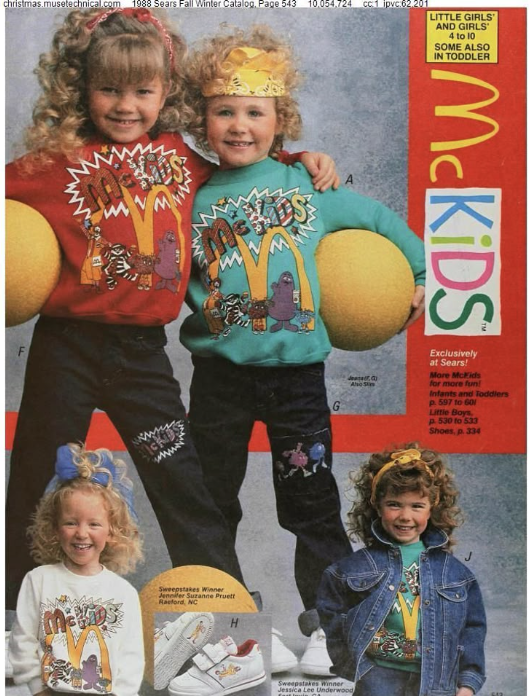
Companies slap logos and images onto fun toys and other playthings, transforming them into marketing vehicles. Children’s emotional attachment to the toys also extends to the brand names and products.
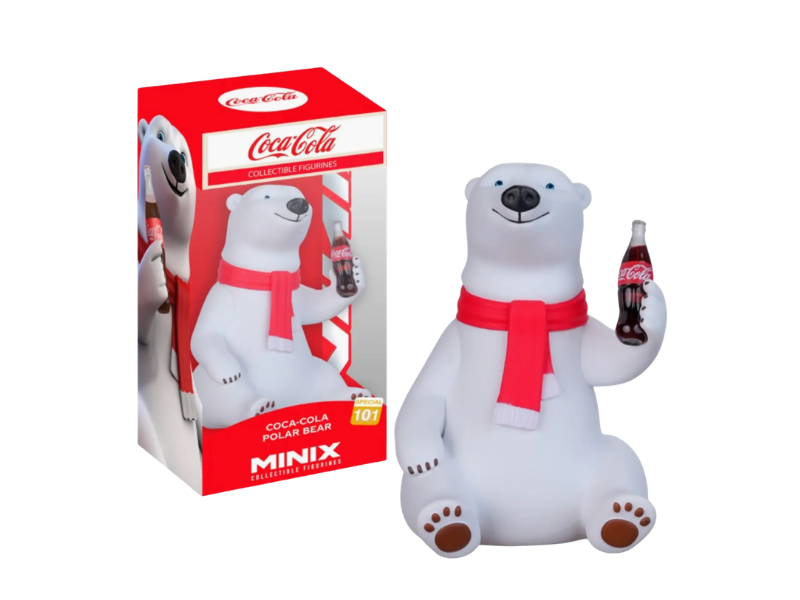
The Coca-Cola Company has become the Babe Ruth of marketing by planting its spokescharacters and classic red-and-white logo into countless corners of childhood play.
McDonald’s has been particularly aggressive in promoting sales by putting its name and logo on a range of toys, from a miniature drive-thru to LEGO and Barbie.
And many other companies have jumped on the bandwagon to put their logos on toys for young children and in their minds.
Foodie Mini Brands by Zuru Toys capitalizes on children’s fascination with tiny, collectible objects to embed branded fast food into their play.
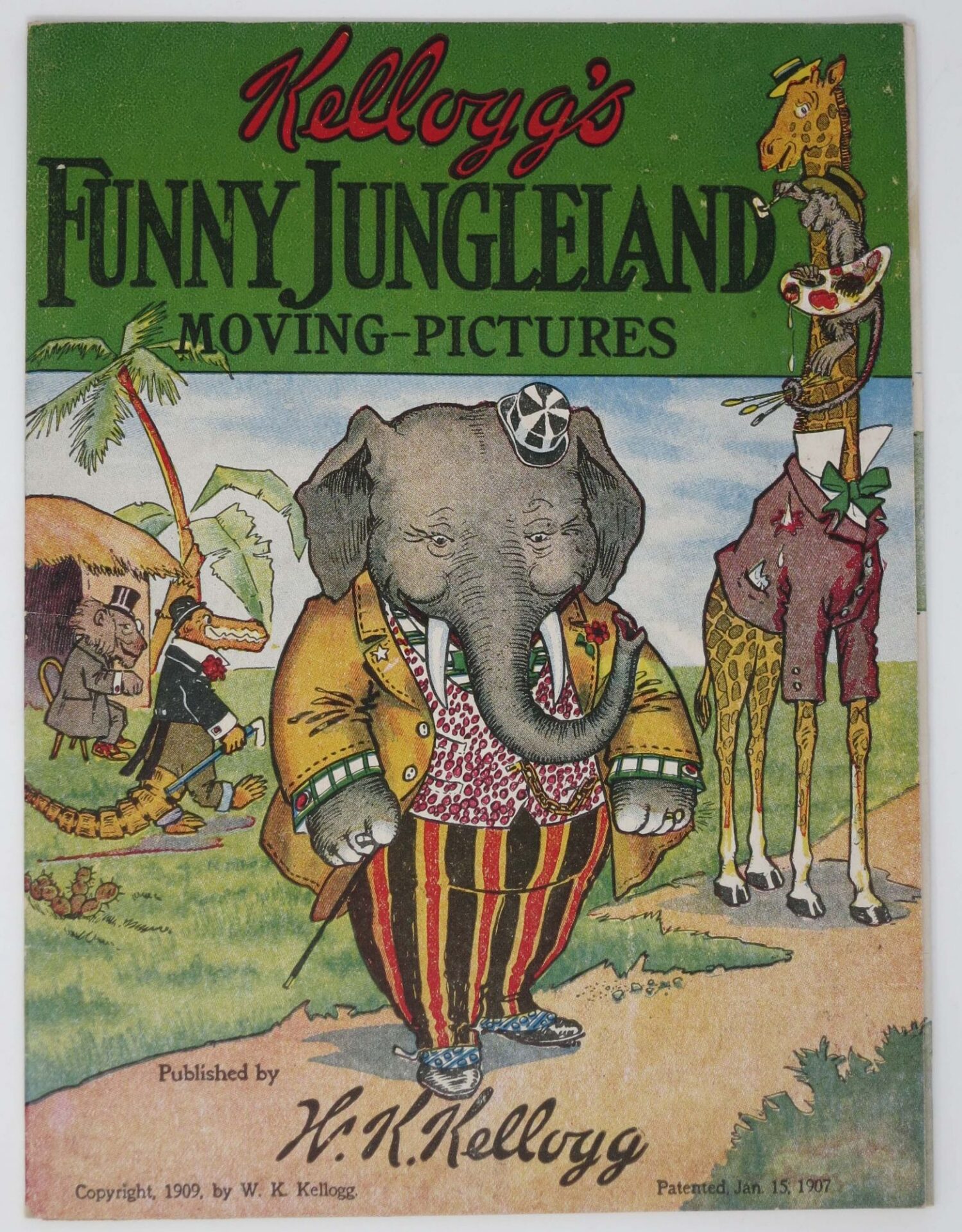
Food manufacturers, especially those selling breakfast cereals, have been using toys, booklets, and other premiums to attract children for well over 100 years. This picture book, offered by Kellogg in 1909, was one of the first.
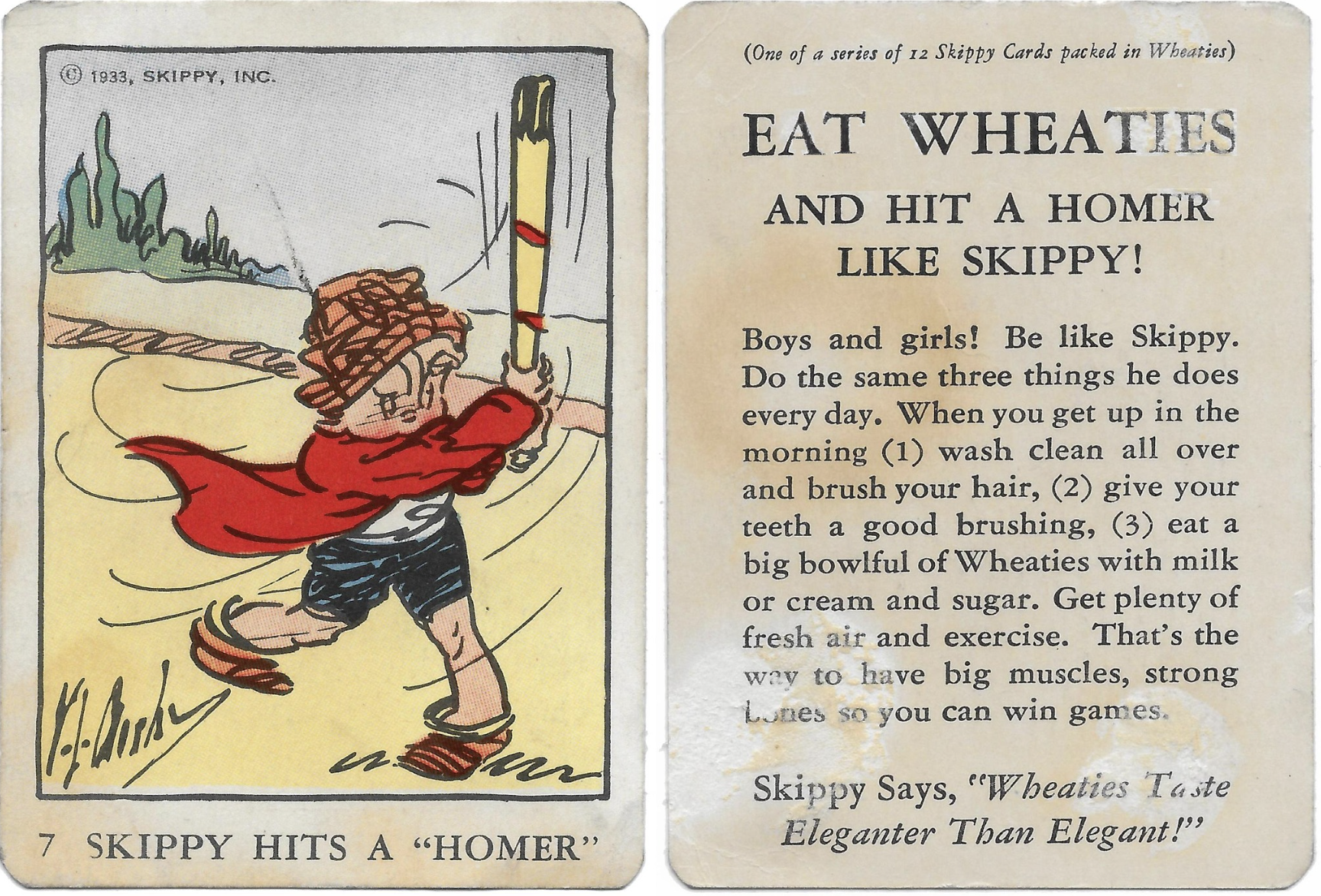
Beginning in 1933, Wheaties used collectible “Skippy” comic cards to turn cereal into a must-buy for kids. Their collectibility drove repeat purchases—an early example of brands exploiting kids’ desire to collect to fuel sales.
CURRENTLY VIEWING
We use cookies to improve your experience on our site. By using our site, you consent to cookies.
Manage your cookie preferences below:
Essential cookies enable basic functions and are necessary for the proper function of the website.
Google reCAPTCHA helps protect websites from spam and abuse by verifying user interactions through challenges.
Statistics cookies collect information anonymously. This information helps us understand how visitors use our website.
Google Analytics is a powerful tool that tracks and analyzes website traffic for informed marketing decisions.
Service URL: policies.google.com (opens in a new window)
Marketing cookies are used to follow visitors to websites. The intention is to show ads that are relevant and engaging to the individual user.
A video-sharing platform for users to upload, view, and share videos across various genres and topics.
Service URL: www.youtube.com (opens in a new window)
You can find more information in our Cookie Policy and Private: Privacy Policy.
Please join our email list to occasionally hear our views on timely issues and learn about The National Food Museum’s progress. We promise we won’t clutter your inbox!