April 9, 2026

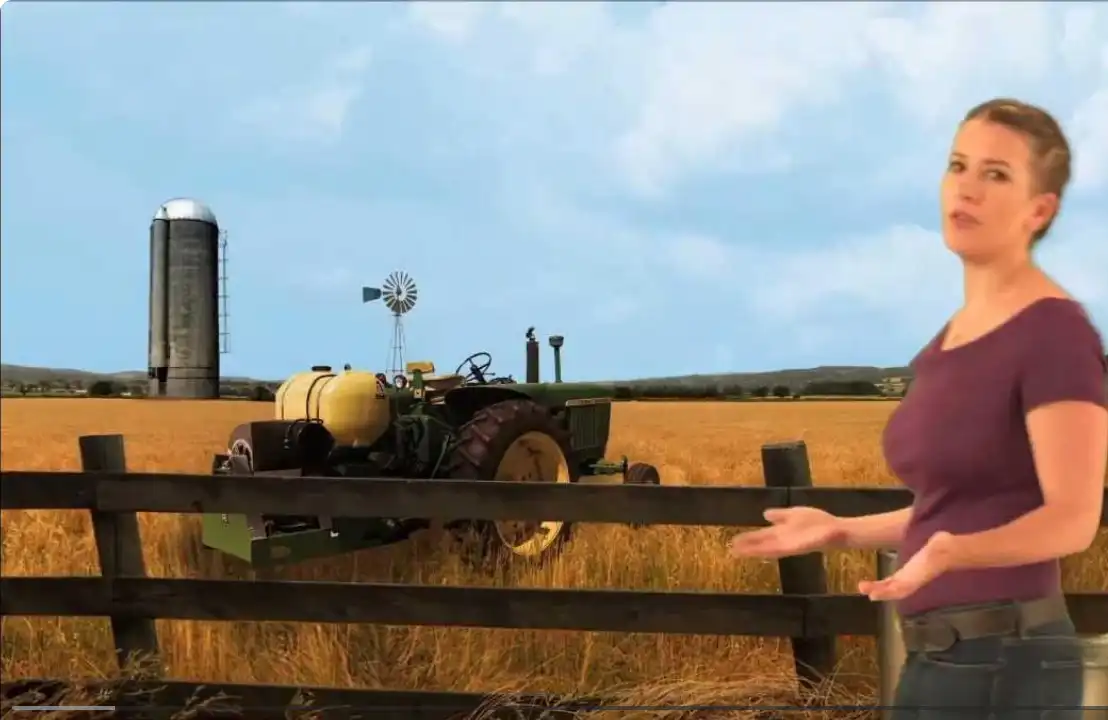
Woman on a farm with a tractor, silo, and windmill. Saving Small Farms.

Saving Small Farms

Anna Lappé takes on agribusiness, arguing that small, sustainable farms are the way to go. Such farms typically use compost and animal manure instead of chemical fertilizer and rotate crops to build the soil, reduce irrigation, and reduce pest populations. This video also notes that eating a more plant-based diet makes much more efficient use of resources. But government subsidies overwhelmingly help large farms (and provide little or no benefit to fruit, vegetable, and nut farmers). One element missing from the film is any discussion of cost, and whether food grown on small farms that market foods regionally can compete with Big Ag. (Real Food Media Project; 2012; 6’29”)

Saving Small Farms Read More »
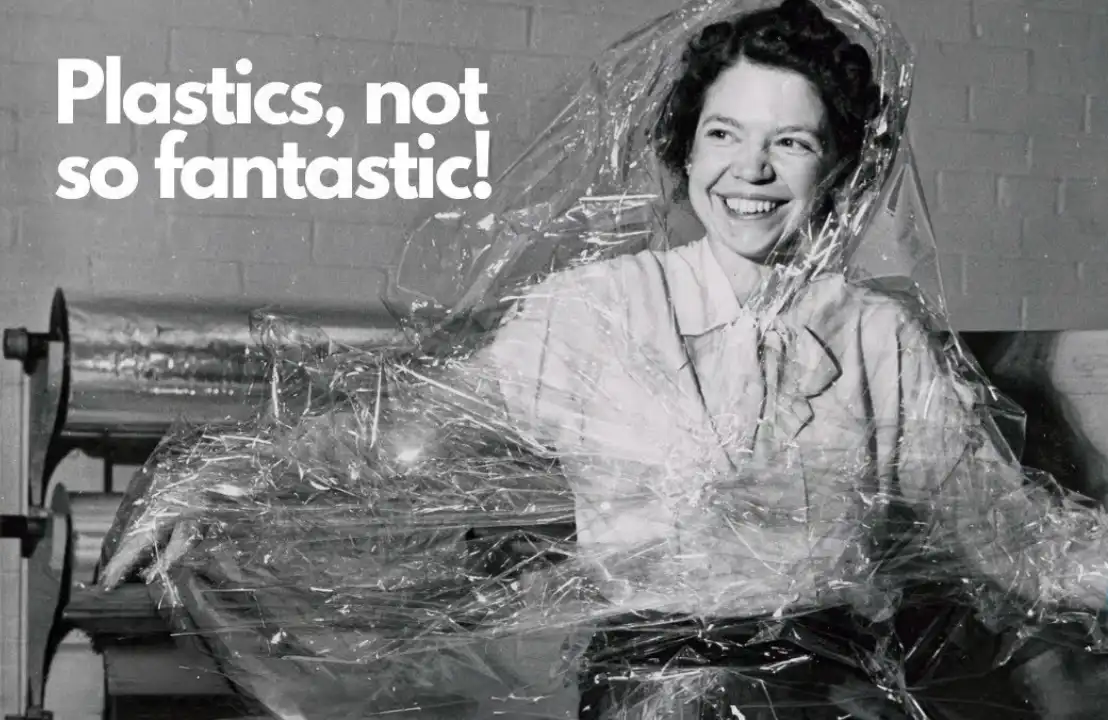
Vintage photo of a smiling woman tangled in plastic wrap, text: "Plastics, not so fantastic!

“Plastic was Fantastic”

Plastics are used in every corner of society, from food containers to toys, plastic wrap to automobile parts, and thousands of other products. Plastics come in countless forms and offer huge conveniences, safety, and durability, depending on their use. However, plastics dumped into the ocean or landfills inevitably degrade into minute particles that work their way up the food chain and enter our bodies. There, microplastics may be disrupting hormonal systems, causing cancer, or other health problems. The question is whether individuals and manufacturers can reduce their use of plastic, and whether scientists and engineers can devise replacements that are multi-functional but degrade safely. Those, clearly, will be challenges for the rest of the 21st century. (UN Environment Programme; 2024; 1’01”)

“Plastic was Fantastic” Read More »

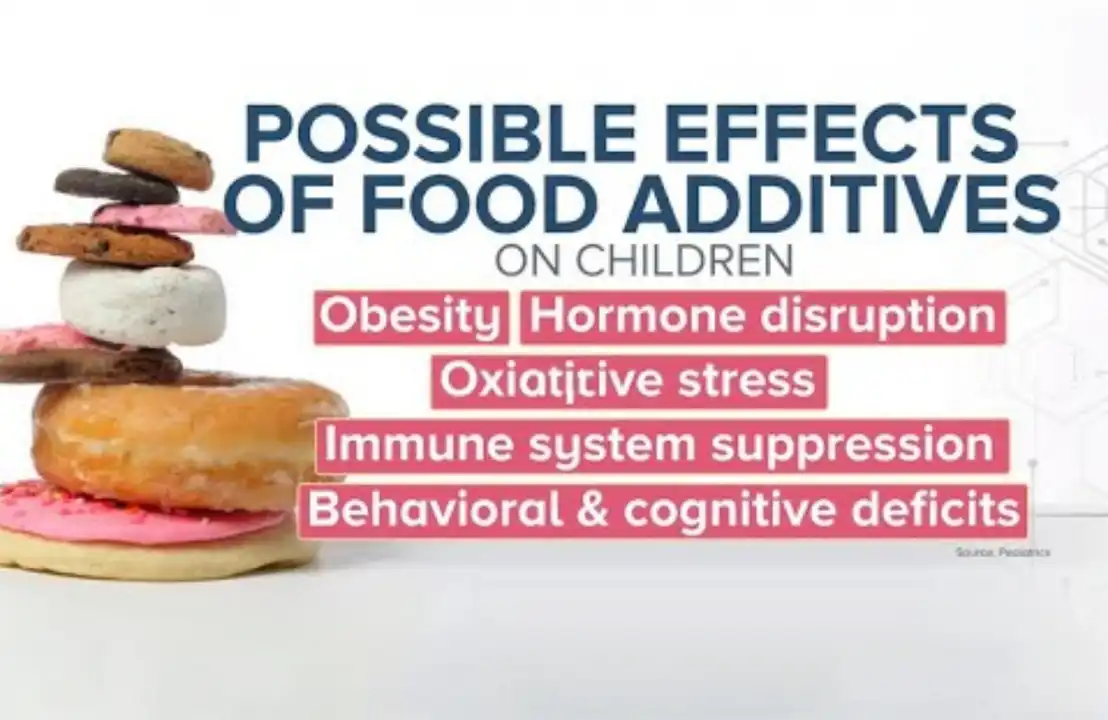
Food additives effects on children: Obesity, hormone disruption, oxidative stress, immune suppression, behavioral deficits.

Food Additives: Holes in the FDA’s Safety Net

Thousands of chemicals end up in our food, either intentionally or unintentionally. The Food and Drug Administration is charged with keeping potentially dangerous substances out of our food. But this news account of a report by the American Academy of Pediatrics contends that the FDA simply has not done what parents and others expect it to do. Note, though, that despite concerns about rarely used additives like titanium dioxide and brominated vegetable oil, by far the most harmful chemicals added to packaged foods are salt and sugar. (CBS “This Morning”; 2018; 3’17”)

Food Additives: Holes in the FDA’s Safety Net Read More »

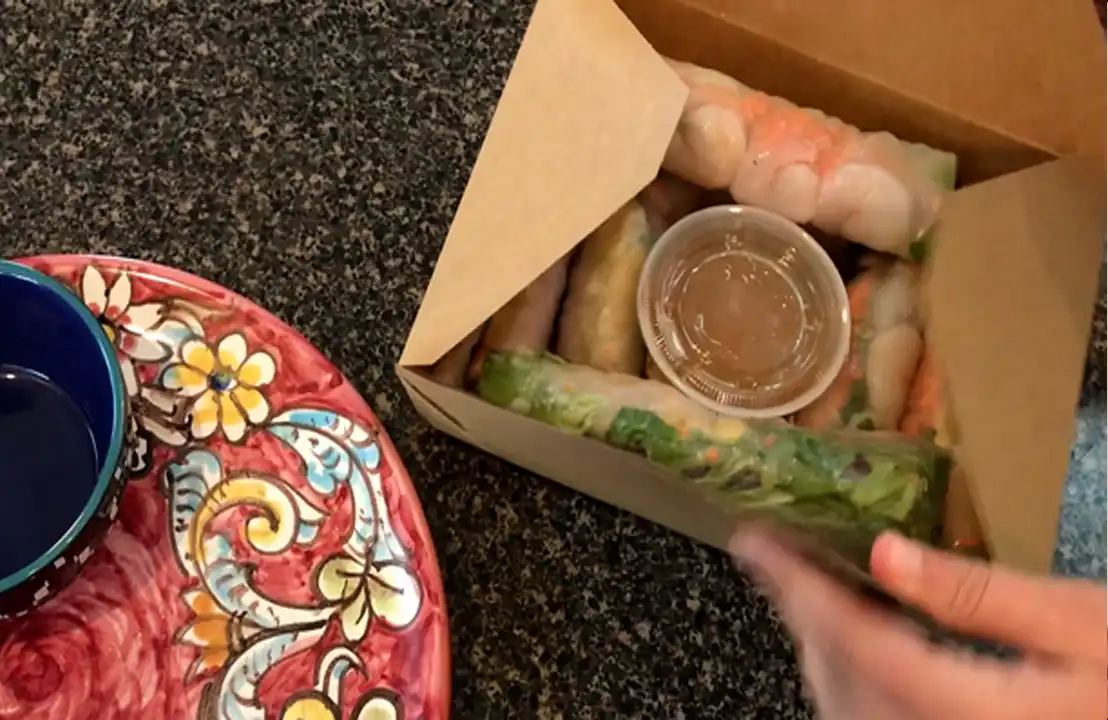
Spring rolls takeout with dipping sauce on countertop.

Reducing PFAS in Our Food

PFAS, the abbreviation for per- and polyfluoroalkyl substances, contaminate our food from some pizza boxes, plastic takeout packages, non-stick cookware, and other sources. As long as they are permitted in the food-supply chain, consumers should take measures to reduce their levels in our foods. That may include such measures as cooking with different frying pans and spatulas to removing takeout food from plastic containers promptly and not storing those foods in those containers, and eating fresh foods that never touched plastics. (Consumer Reports; 1’39”)

Reducing PFAS in Our Food Read More »

Person with glasses in front of a bookshelf and drawers.

Plastics in Our Food

The 21st century has brought more and more evidence that chemical contaminants, such as PFAS and BPA, from plastics contaminates our food…and the whole global environment. Such chemicals may cause cancer, mimic hormones, and have other health effects. This brief overview may motivate you to take steps to reduce the amounts of those contaminants in your food and body. (Gulf Coast News, NBC-TV; 2024; 2’06”)

Plastics in Our Food Read More »

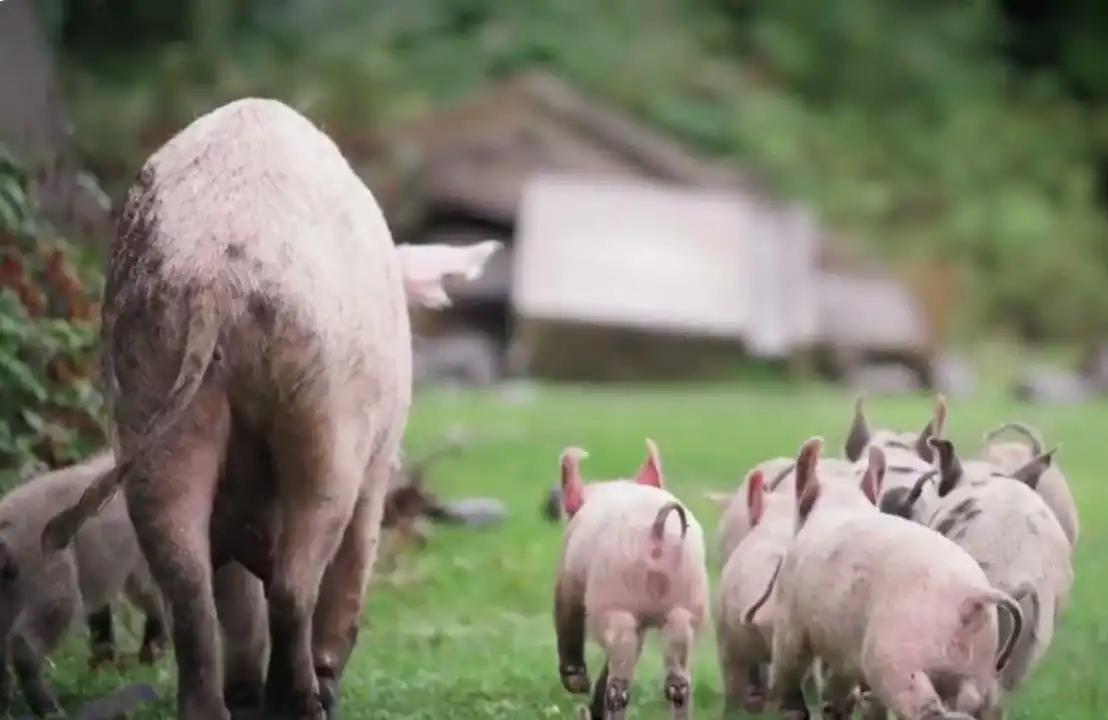
Pig and piglets on a farm. Antibiotic resistance may start here.

Antibiotic Resistance May Start on the Farm

Three-fourths of all antibiotics are used to treat and prevent infections in animals raised in dirty, crowded conditions (and that means almost all chickens, pigs, and cattle). The goal may be worthy, but overuse of antibiotics promotes the proliferation of E. coli, Salmonella, and other bacteria resistant to certain antibiotics. If those “superbugs” contaminate our food, consumers may develop diseases that are much harder to treat and might even cause deaths. (Farm Animal Concerns Trust; 2025; 2’58”)

Antibiotic Resistance May Start on the Farm Read More »

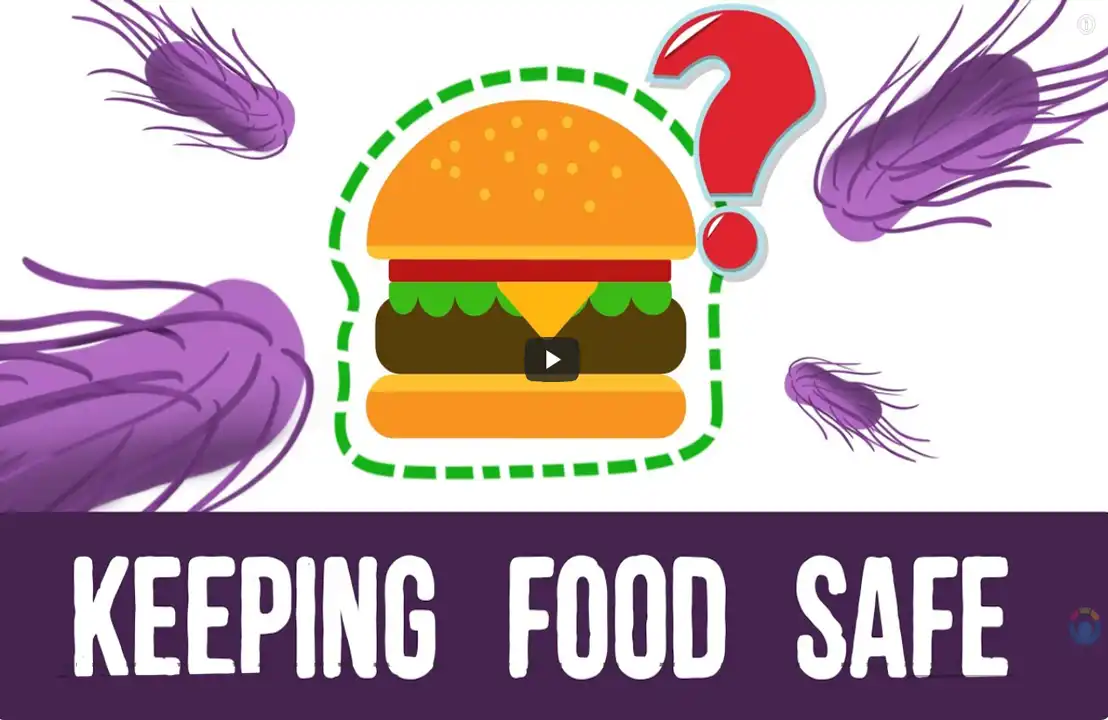
Cartoon burger with a question mark and bacteria around it, text: "Keeping Food Safe.

Food Safety from Farm to Table

“Food Safety 101 – The Journey of food safety from farm to table” is a nice overview of food safety, suitable for people 10 to 100. It covers the bases regarding the different types of risk (bacterial, chemical, physical, adulteration), the health problems that might result, and strategies for keeping those risks out of the food supply. (Public Health Academy; 2022; 7’51”)

Food Safety from Farm to Table Read More »

Do you have a favorite food memory?

We want to hear about it. Fill out the form below. We’ll share our favorites on upcoming social media.

Feed Your Curiosity About Food!

Please join our email list to occasionally hear our views on timely issues and learn about The National Food Museum’s progress. We promise we won’t clutter your inbox!