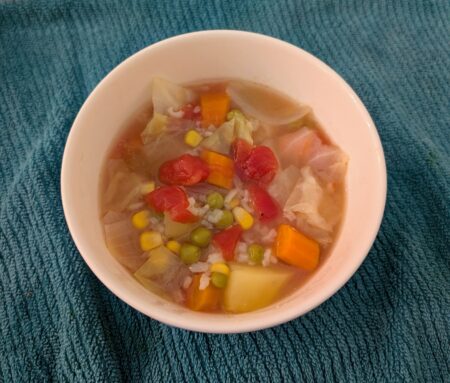
Squirrel Stew (Burgoo)

Prep Time

30 minutes

Cook time

2 hours

Total time

2 hours 30 minutes

Ingredients

Instructions

  1. If using squirrels, ensure they are cleaned and cut into manageable pieces.
  2. For those opting for chicken, simply season the thighs with salt and pepper.
  3. Place the squirrel pieces (or chicken) in a large pot and cover with water or chicken broth.
  4. Bring to a boil over medium-high heat, then reduce to a simmer, skimming off any foam that rises to the surface.
  5. Stir in the chopped onion, carrots, potatoes, celery, garlic, bay leaf, and thyme.
  6. Cover the pot and let the soup simmer gently for 1½ to 2 hours, or until the meat is tender and falling off the bone.
  7. Remove the squirrel pieces (or chicken) from the pot.
  8. If using squirrel, pick the meat off the bones and return it to the soup. If using chicken, shred the meat and add it back to the pot. Discard the bones.
  9. Season the soup with salt and pepper to taste.
  10. Ladle the soup into bowls, garnish with fresh parsley, and serve hot.

Notes

  • Substitutions: Chicken thighs or rabbit can be used in place of squirrel for those who prefer more common ingredients.
  • Pairing: This soup pairs wonderfully with a slice of crusty bread or cornbread.
  • Storage: Leftovers can be stored in the refrigerator for up to 3 days or frozen for up to 3 months.

Adapted from: Eats History

Nutrition per serving (4 servings)

Calories 585 • Total Fat 32g • Saturated Fat 9g • Sodium 1040mg • Total Carbohydrates 35g • Dietary Fiber 4g • Added Sugars 0g • Protein 36g

Used chicken thighs, 3 potatoes, and chicken broth for recipe analysis.

Dietitian’s Note

Reduce sodium content by selecting a low-sodium or no-salt-added chicken broth or opting for water. Increase protein content by forgoing the standard broth and using bone broth. Stews are a great opportunity to add in extra vegetables: carrots, celery, or wilt in some spinach at the end of cooking.

Feed Your Curiosity About Food!

Please join our email list to occasionally hear our views on timely issues and learn about The National Food Museum’s progress. We promise we won’t clutter your inbox!