
The Eleven Most Impactful Events in Food History
The National Food Museum is interested in all aspects of food—the history of the human diet, the contribution of the food system to the climate crisis, recipes for healthier “plant-forward” cooking, and more. This list of the “most impactful” developments in the food world was compiled by Museum founder Michael F. Jacobson and the Museum’s Advisory Council.
ONE
Invention of cooking
About two million years ago, our ancestors (Homo erectus, the predecessor of Homo sapiens) learned how to control fire and invented cooking. Cooking made food easier to chew, made calories and nutrients more available, required fewer calories to chew and digest food, and killed dangerous microbes. The increased availability of energy allowed for larger, energy-hungry brains that enabled humankind to develop in unheard-of new directions. More digestible food also may have led to smaller colons and dentition.
TWO
Agriculture and the domestication of crops and animals
For millions of years, modern humans and earlier primates survived by hunting land and sea animals and gathering fruits, vegetables, nuts, and honey. But beginning in the Middle East around 12,000 years ago—after the last ice age—people learned how to cultivate crops, including chickpeas, wheat, barley, and peas, and rely less on hunting and gathering. Agriculture started several thousand years later in China and much later in Africa. Similarly, people domesticated animals for food, transportation, and work on farms.
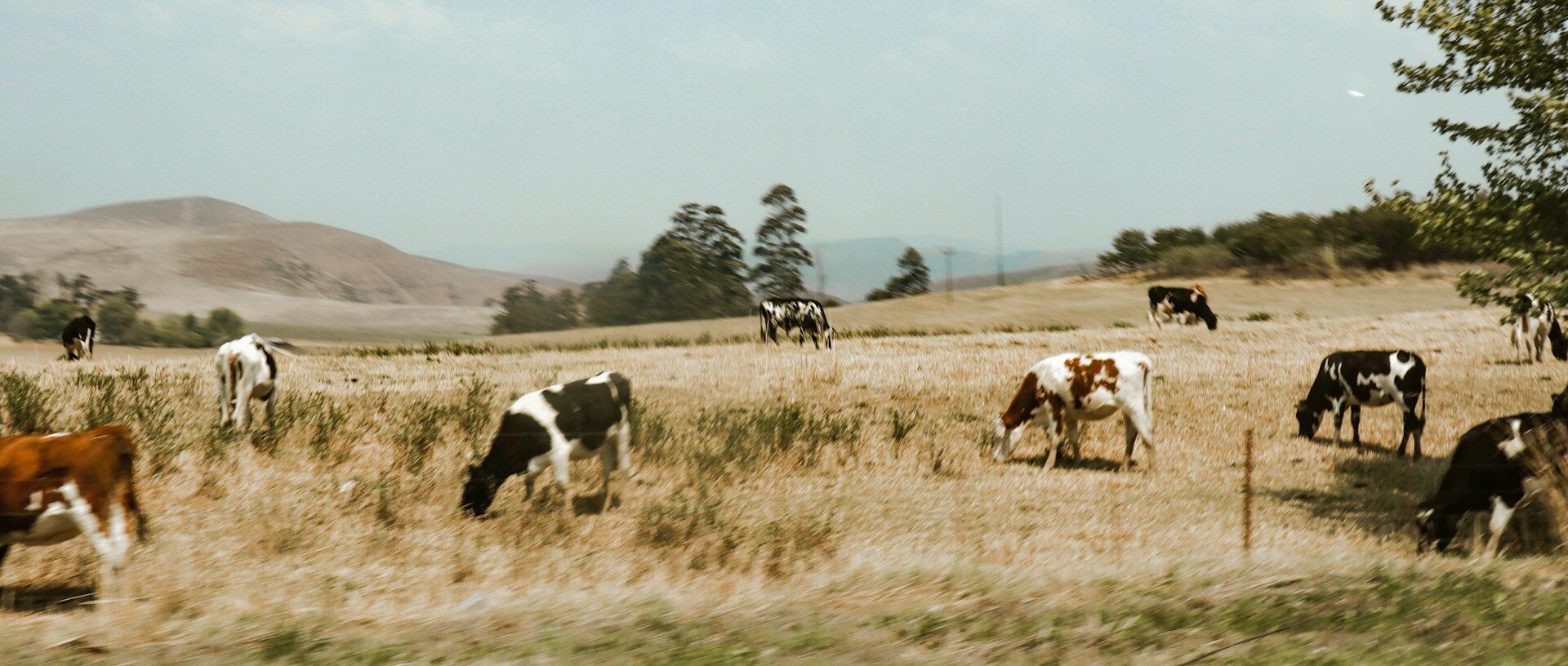
Agriculture became central to many cultures and created surpluses that allowed people to create permanent settlements and lead more varied lives. But even now small tribes in Africa, South America, and several Pacific islands maintain their traditional hunting-and-gathering lifestyles. Interestingly, the hunter-gatherer diet has about 10 times as much dietary fiber as the Western diet and supports a more diverse gut microbiome.
THREE
Food Preservation
Fresh food, be it from plants or animals, spoils rapidly. Early humans discovered ways to use salt, sugar or honey, fermentation, smoke, cold, and drying to preserve meat, fish, fruits, and vegetables. That enabled them to survive when food was in short supply. More recently, canning, refrigeration, chemical preservatives, novel packaging, and irradiation have been used to extend the shelf life of foods.

FOUR
Invention of farm implements
Growing crops with only the use of simple tools made farming challenging, if not impossible. Over the millennia, humans developed the plow, then tractors, combines, and other advanced farm machinery, now even with GPS and other digital add-ons. Those feats led to astounding increases in productivity, which freed many people from manual labor on farms and was key to urbanization…and inexorably to electricity, frozen dinners, microwave ovens, pharmaceuticals, armies, and weapons capable of returning civilization to the Stone Age.


FIVE
The Columbian Exchange
The exchange of plants, animals, and diseases between the Old World and the New World, beginning in the late 15th century, had historic ramifications on both sides of the Atlantic. Measles, smallpox, mumps, influenza, and malaria, which had not existed in the Americas, were cataclysmic for most people there. The Columbian Exchange also introduced tomatoes, potatoes, sweet potatoes, and corn to Europe and Africa, and horses, pigs, cattle, goats, and sheep to North and South America. Tobacco, a Western Hemisphere crop, became a killer globally, with the Encyclopedia Britannica saying that it “has probably killed far more people in Eurasia and Africa than Eurasian and African diseases killed in the Americas.”
The Columbian Exchange “has probably killed far more people in Eurasia and Africa than Eurasian and African diseases killed in the Americas.”
Encyclopedia Britannica
SIX
The discovery that microbes cause disease in crops, livestock, and humans
Experiments in the 1860s by French chemist Louis Pasteur first showed that microorganisms caused food spoilage. That led to the heat treatment of milk (pasteurization) to slow the growth of pathogens. Subsequently, German bacteriologist Robert Koch identified specific microbes that caused a variety of diseases. That led to new ways to prevent diseases in humans and other animals, from simple cleanliness to sterile surgical practices to antibiotics and other drugs. Farmers use crop rotation, removal of diseased plants, fungicides, mulching, and other practices to prevent or reduce the spread of diseases.
SEVEN
Genetic Improvements in Crops and Livestock
Farmers have long used careful selection to create more productive and tastier varieties of crops and animals. Then came the hybridization of plants and a new burst of productivity. In recent decades, biotechnology has facilitated the creation of previously undreamt-of agricultural products, such as herbicide-resistant soybeans and corn, corn and cotton plants with a built-in insecticide, virus-resistant papayas, potatoes resistant to late blight, pine trees with denser wood, and faster-growing farmed salmon.
More than 90 percent of corn and soybean acres in the United States are now planted with genetically modified seeds. Farmers see major benefits in terms of less-toxic pesticides, less work for themselves, or improved yields. Despite potential benefits in terms of cost, taste, and quality, some farmers and consumers have remained skeptical of genetically engineered crops.
One concern is whether the herbicide glyphosate (in Roundup) used on land that will be planted with herbicide-resistant seeds is carcinogenic. The International Agency for Research on Cancer (part of the World Health Organization) concluded that glyphosate is “probably carcinogenic to humans.” But the U.S. Environmental Protection Agency contends that its “significantly more extensive” reviews did not find it to be carcinogenic.
Other concerns about agricultural biotech pertain to the patenting of seeds by corporations, proliferation of herbicide-resistant weeds, risks due to the transfer of genes from one organism into another, and inadequate labeling of foods produced with ingredients from genetically engineered crops (even though such ingredients as corn syrup and soybean oil do not contain any genetic material whatsoever).
Ideally, genetically engineered crops would be treated like other technologies: maximize their benefits and minimize their risks. Meanwhile, a newer technology, CRISPR, is less controversial and may replace “old-style” bioengineering partly because it does not transfer DNA between organisms.
EIGHT
Discovery of essential nutrients in food and their functions in the body
Throughout human history until just three centuries ago, humans routinely suffered from scurvy, beriberi, and other diseases. Only since surgeon James Lind in 1747 demonstrated that lime juice contained something that cured scurvy did people link food to the prevention or treatment of disease. Around 100 years ago, scientists began isolating the vitamins and minerals that protect humans and animals from diseases. Those discoveries led to science-based dietary recommendations; nutrient fortification of salt, flour, and other foods; and fortification of feed for farm animals. Nutrient-deficiency diseases have been virtually eliminated in wealthy nations but remain widespread in the poorest nations.
NINE
CONFINED ANIMAL FEEDING OPERATIONS (CAFOs)
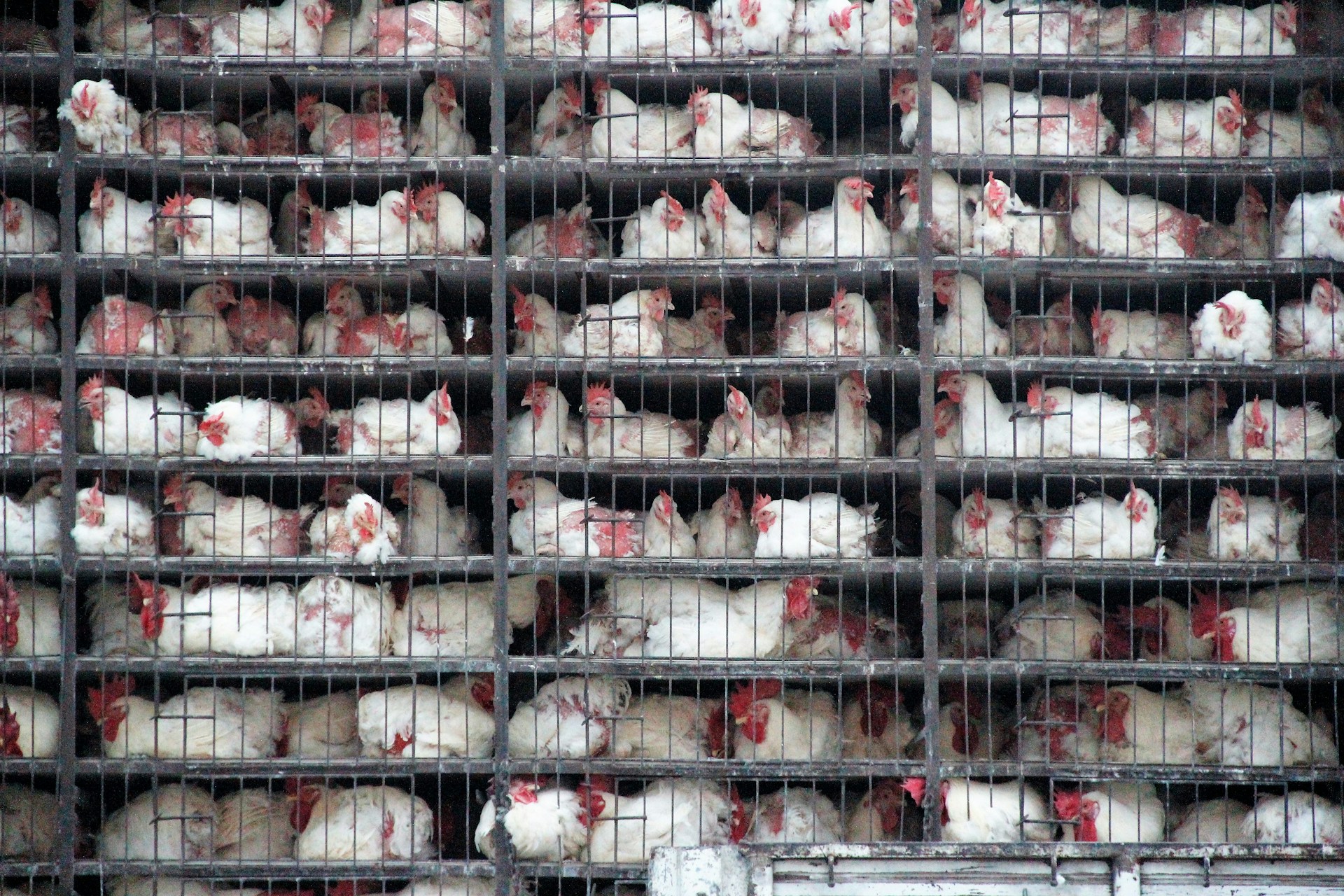
In the United States and many other technologically advanced countries, the cost of raising poultry, hogs, and cattle has been dramatically reduced by raising them on huge, crowded “farms.” A typical structure might house 50,000 to 100,000 chickens, which may never see daylight. Dairy and hog farms that 50 years ago might have had a couple of hundred animals now often have many thousands. Beef cattle still spend six months or more grazing on pastureland, but then spend the last three to 12 months of their lives in crowded feedlots. Those growing conditions are not only considered inhumane by many observers, but may lead to illnesses in the animals and the spreading of antibiotic-resistant bacteria to farmworkers and then others.
TEN
Agricultural Chemicals
After World War II, chemical companies began producing synthetic fertilizers to increase yields; pesticides to kill weeds, molds, and insect pests; antibiotics to speed growth and treat illnesses; and other chemicals that farmers use to increase productivity and lower costs.

Production and marketing of ultra-processed foods
ELEVEN
VIA Supermarkets and Restaurants
Another huge post-World War II phenomenon has been the use of all sorts of technologies—artificial colorings and flavorings, emulsifiers and preservatives, extrusion, novel packaging materials—to produce mostly “junk” foods (now often called “ultra-processed”). Roughly two-thirds of the typical American diet consists of ultra-processed foods. Many of those foods are junky by virtue of their high levels of refined sugars, saturated fat, and salt, three major health threats. And many are low in dietary fiber, vitamins, minerals, and other potentially health-improving substances. Ultra-processed foods may contribute not only to tooth decay, obesity, diabetes, and cardiovascular disease, but may also alter the microbiome (with still poorly understood consequences) and even cognitive decline. Making matters worse is that companies blast marketing for such foods at young children, who may grow up considering them to be healthy and appropriate mainstays of their diets.