

Time in office
March 4, 1797––March 4, 1801
Vital Statistics
Born: October 30, 1735, in Braintree, MA (now Quincy, MA)
Died: July 4, 1826, in Quincy, MA
Political Affiliation
Federalist Party
First Bite
John Adams was the first president to live in the White House. He and Abigail celebrated by holding the building’s first public event—a New Year’s reception just months before he packed up and left.
THE MAIN COURSE
John Adams: The President Who Brought His Own Cider to Work
Adams grew up on a Massachusetts farm, raised on the New England staples of thrift, simplicity, and not making a fuss about food. He started just about every morning with a gill of hard cider—about four ounces—and kept the habit well into old age, defending it on the grounds that it helped in “diluting and dissolving the Phlegm or the Bile in the Stomach.” This from a man who spent much of his public life lecturing the country about temperance. Beyond the cider, his tastes tended toward New England classics like Baptist cakes (a traditional fried dough) fried in bacon fat and salt cod cakes with potato. That food was filling, regional, and about as far from European elegance as it gets. The diary of one of his guests specifically noted serving a first course of Indian pudding, molasses, and butter, followed by veal, bacon, and neck of mutton with vegetables. Apple pan dowdy (a rustic version of an apple pie) held real symbolic weight for him, too. He was said to have specifically requested it on Independence Day, a fittingly patriotic pairing for a man who’d helped write the Declaration itself.
Not that Adams disliked fancier living, far from it. Years as a diplomat in Paris and London sat him at some of the best tables in the world, and he clearly relished it; He once described a Philadelphia feast as “most sinful,” practically swooning over the Parmesan and punch. But whatever taste for luxury he picked up overseas ran straight into first lady Abigail Adams, who resented the cost of presidential life and kept a close eye on their $25,000 salary, managing the household books with a sharp pencil and zero patience for waste. Even so, she understood that entertaining came with the job. Her view on the cost of it was blunt but resigned: “As we are here, we cannot avoid the trouble nor the expense.”
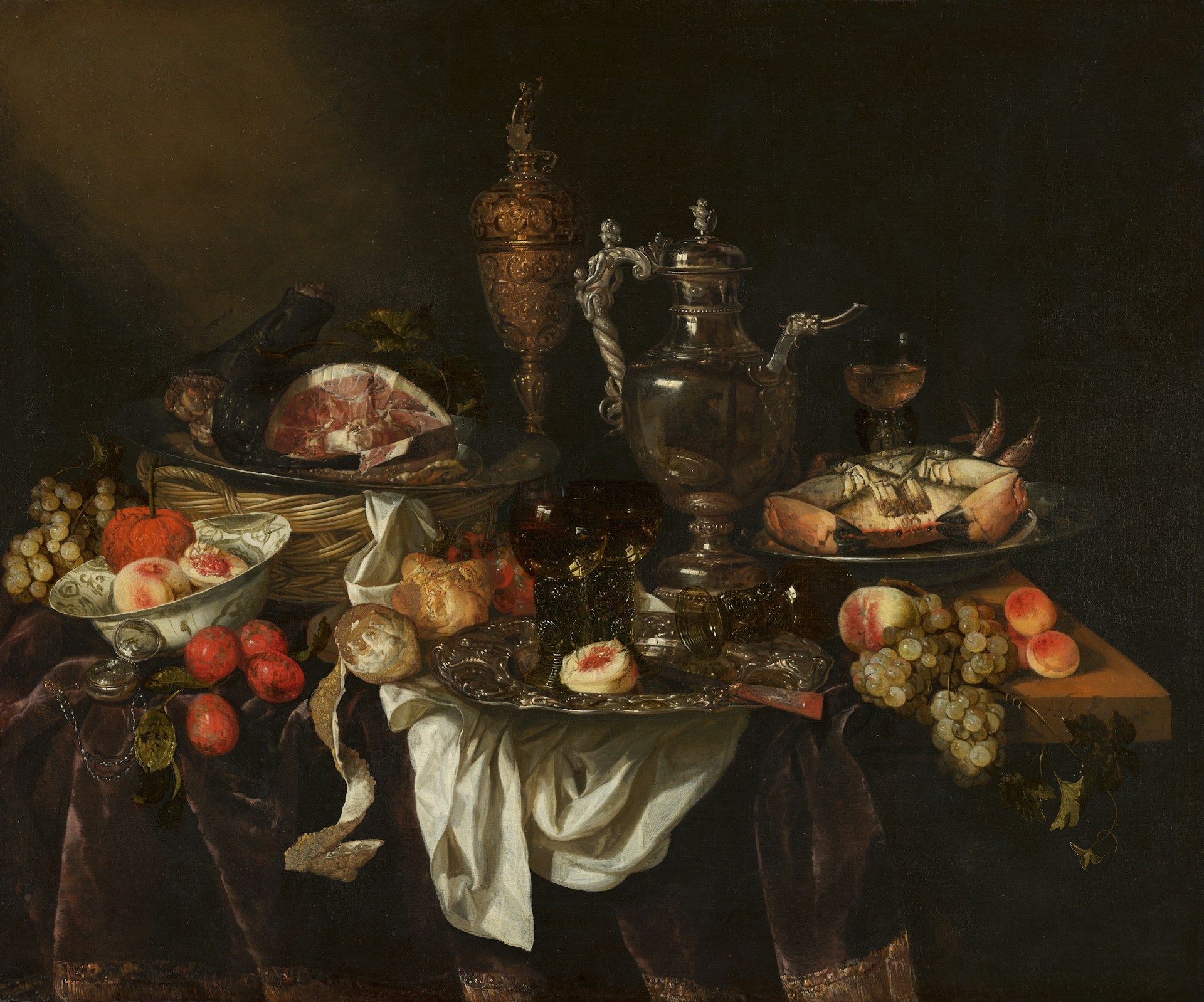
Reading between the lines, it’s probably safe to say Abigail’s frugality likely shaped the Adams table more than John’s Parisian memories ever did. One congressman who dined at the President’s House left with a fairly middling review: “Mrs. Adams conducted herself with the greatest propriety. The dinner was genteel, without profusion; the wine rather mediocre.”
The whole presidency followed the same pattern. When the Adamses moved into the still-unfinished White House in November 1800, Abigail chopped her own firewood, fueling the fires in every room that were needed to heat the place. Their first public event served tea, coffee, cakes, and fruit—no formal dinner at all. It was a fitting debut for an administration that emphasized New England thrift instead of Southern hospitality. Moreover, unlike Washington and Jefferson, the Adamses did not employ enslaved to prepare and serve their food.
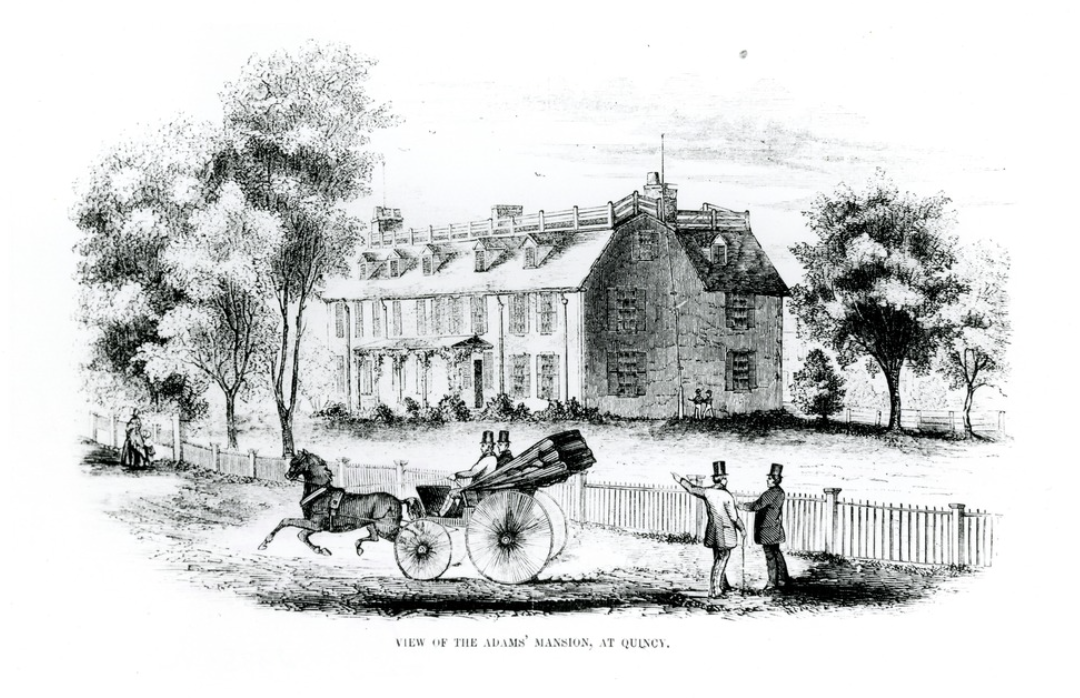
While Adams didn’t focus much on agriculture policy in the modern sense, farming remained close to his identity throughout his life. When his term ended, he returned without a hint of regret to the family farm in Quincy, working his own land for the rest of his days. It’s a fitting final image for a man who never much cared for pomp in the first place: he traded the White House for a New England farm, a plain table, and, presumably, his morning cider, and considered it a fair trade.
Try it at home
Abigail Adams’ Indian Pudding
A New England classic that shows up again and again in Adams’ letters: cornmeal, molasses, warming spices, baked low and slow into something custardy. Serve it warm with vanilla ice cream, and you’ll understand exactly what he was so loyal to.